ع



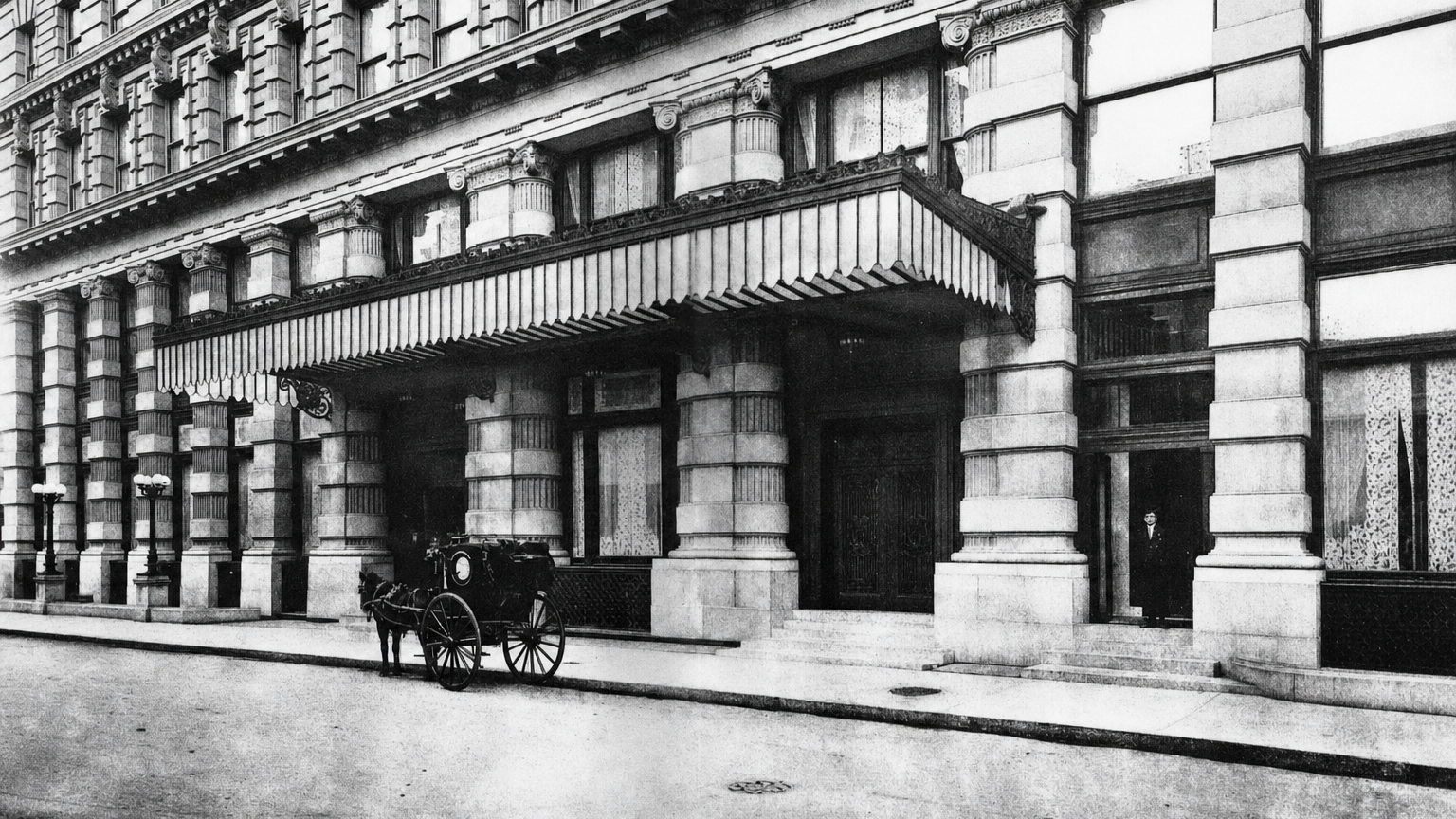
Ranji Smile, who hailed from Karachi in what was then colonial India, arrived in New York in 1899 after working as a curry cook at London’s Savoy and Cecil hotels, according to historian Dinyar Patel in the BBC News report. He took charge of the kitchen at the upscale Sherry’s restaurant on Fifth Avenue, where his chicken Madras curry and other dishes quickly made him a sensation with the city’s elite, Patel wrote. Newspapers dubbed him the King of Curry and America’s first Indian chef, with his flamboyant personality and claimed princely background adding to his allure, a 2021 Vox article by Mayukh Sen noted. Smile gave cooking demonstrations across the country and taught American homemakers to prepare Indian meals, further embedding curry into the national conversation.
The opening of Omar Khayyam at 325 Fifth Avenue in late 1901 represented a milestone, as it was almost certainly the first dedicated Indian restaurant in the United States, Patel reported. Located near the original Waldorf-Astoria, the establishment featured Indian decor and authentic fare but shuttered within a year after patrons reportedly tired of the cuisine, with the New York Sun dismissing it as a passing fad. Smile’s subsequent efforts to sustain his fame included adopting the persona of Prince Ranjit of Baluchistan during a return from London, where he had recruited staff, according to Sen’s account in Vox. Legal troubles soon followed, including allegations that he had lured countrymen to the United States under false pretenses, contributing to his declining fortunes.
Smile’s later years involved a series of reinventions that veered into deceit, including multiple marriages to younger American women and various schemes that led to criminal accusations, the Vox investigation detailed. By the 1920s mentions of him in the press had dwindled, and he departed the United States in 1929 aboard a ship bound for Bombay, according to passenger records cited in several historical reviews including Sarah Lohman’s research. A 1937 notice in the Brooklyn Daily Eagle indicated his wife at the time was seeking an annulment, marking one of the final traces of his presence in American records. His vanishing has left historians piecing together an enigmatic legacy from fragmented newspaper clippings and immigration documents.
Curry itself had appeared in American cookbooks well before Smile’s arrival, with Mary Randolph’s 1824 “The Virginia Housewife” containing recipes for chicken curry in the East Indian manner, culinary historian Colleen Taylor Sen observed in her writings on the subject. British colonial ties facilitated the exchange, as curry powder became a staple in U.S. kitchens through English recipe books and trade from ports like Boston’s India Wharf in the early 19th century, Sen’s research showed. Yet Smile’s demonstrations and restaurant helped shift perceptions toward more authentic preparations beyond the simplified Anglo-Indian versions, paving the way for future immigrants, according to Patel. In 1909 journalist Saint Nihal Singh published recipes for bhajias, puris and other Indian dishes in the Chicago Daily Tribune, building on that foundation.
Historians including Lohman, author of “Eight Flavors: The Untold Story of American Cuisine,” and Sen have described Smile as America’s first celebrity chef for his media savvy and ability to captivate audiences with both food and persona. His story unfolded against a backdrop of restrictive U.S. immigration laws that barred South Asians from citizenship until later reforms, with the 1917 Immigration Act explicitly targeting them, Lohman has pointed out in interviews. Smile’s petition for naturalization was denied in 1904 on those grounds, adding to the challenges he faced. Recent findings suggest he may have operated another Indian restaurant called The Hindustan in Chicago around 1920, extending his influence beyond New York.
The popularisation of Indian cuisine accelerated after the 1965 Immigration and Naturalization Act eased quotas, leading to a proliferation of restaurants serving dishes like butter chicken that built on early introductions, according to industry analyses. Today Indian food ranks among the most searched cuisines in the United States, with Google data reflecting sustained interest that traces back to pioneers like Smile. His efforts, though marred by controversy, helped lay groundwork for what has become a significant segment of the American dining scene, Patel concluded in the BBC report. Culinary accounts continue to revisit his contributions as scholars uncover more details from archives.