ع



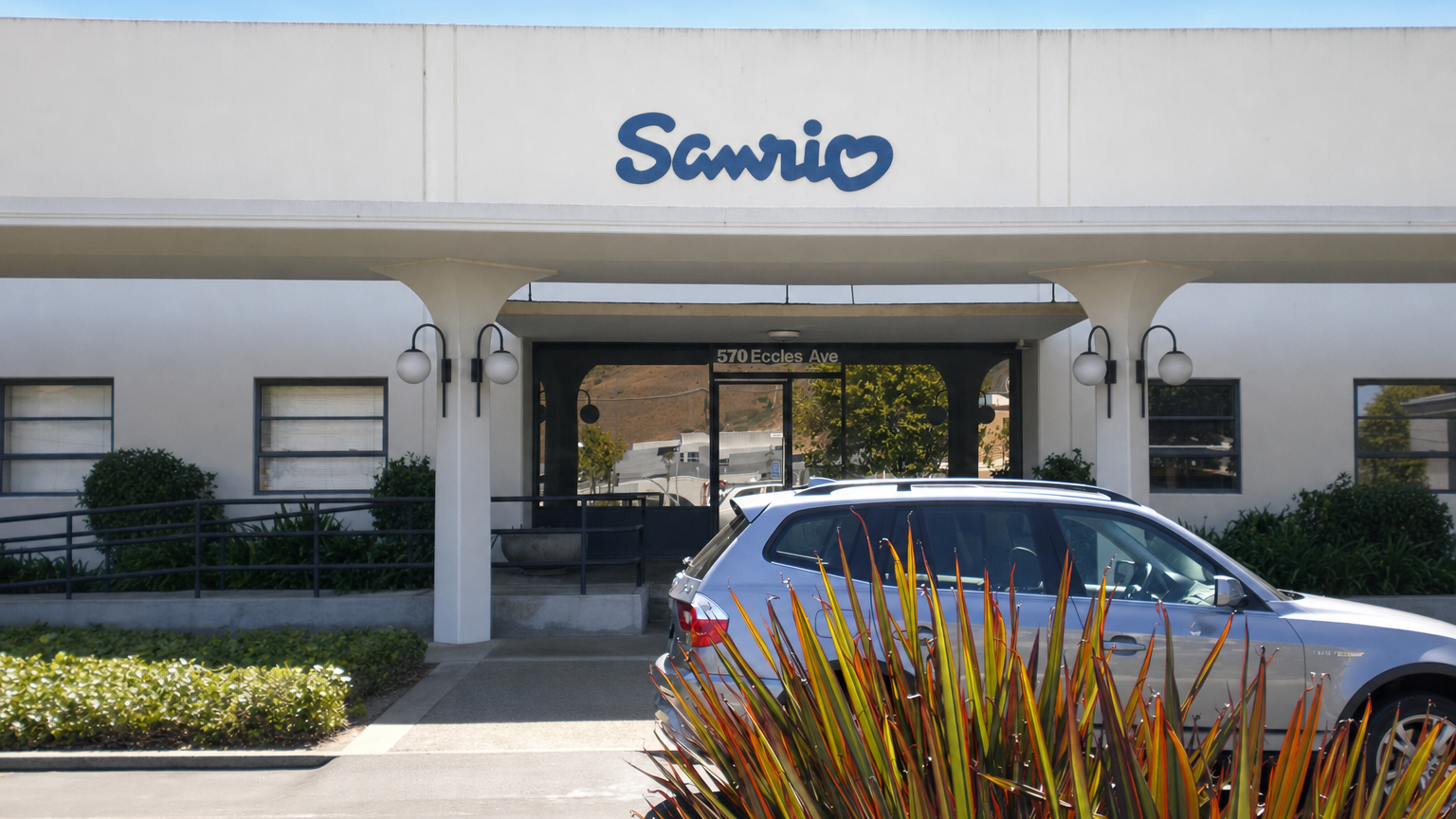
Sanrio announced late on Wednesday that it had terminated its merchandise collaboration with the hit Japanese spy series Vivant along with all future related projects. “We deeply apologize for the concern this has caused everyone,” the company’s Chinese subsidiary said in a statement posted on Weibo. The firm added that the drama contained expressions inconsistent with the Sanrio Group’s corporate philosophy and confirmed it would strengthen review processes for all future collaborative projects, according to multiple reports.[[1]](https://www.reuters.com/business/retail-consumer/hello-kitty-maker-sanrio-cuts-ties-with-tv-spy-show-after-china-backlash-2026-10-29/)
The second season of Vivant, produced by broadcaster TBS and streaming on Netflix, features scenes in which a fictional Chinese intelligence agency captures and tortures Japanese spies. Chinese state media outlets including CCTV and the Global Times condemned the portrayal, arguing that the torture methods depicted bear similarities to atrocities committed by Japanese forces against Chinese civilians during the second world war. One episode aired on October 4 showed a Chinese agent cutting off a Japanese operative’s fingers before stabbing him in the abdomen, The Guardian reported.[[2]](https://www.theguardian.com/world/2026/oct/29/hello-kitty-japanese-spy-show-vivant-china-outcry)
The controversy intensified on Chinese social media, where users targeted Sanrio characters including Hello Kitty, My Melody and Cinnamoroll that had been dressed as figures from the show in promotional merchandise. Sanrio’s Chinese subsidiary stated that the company has consistently used its characters to convey values such as care and connection while remaining committed to fostering harmony among all people. The decision to withdraw comes as the firm seeks to safeguard its brand amid the outcry, Bloomberg noted.[[3]](https://www.bloomberg.com/news/articles/2026-10-29/hello-kitty-owner-sanrio-axes-japan-show-ties-after-china-furor)
China has grown into a vital market for Sanrio, accounting for roughly 40 percent of its overseas sales and about a quarter of operating profit. The company generated 9.8 billion yen in revenue from China in the first quarter, marking a 25 percent increase from the previous year. This latest episode underscores the commercial risks foreign brands encounter when content tied to their products clashes with historical sensitivities in the country, Reuters data shows.[[1]](https://www.reuters.com/business/retail-consumer/hello-kitty-maker-sanrio-cuts-ties-with-tv-spy-show-after-china-backlash-2026-10-29/)
Bilateral tensions between China and Japan have remained elevated since Japanese Prime Minister Sanae Takaichi’s remarks on Taiwan last November triggered a diplomatic dispute. The Sanrio case follows immediately after French footballer Kylian Mbappe apologised for comments about late Chinese leader Mao Zedong that prompted several Chinese sponsors to sever ties with him. TBS President Masamine Ryuho defended the series at a press conference, describing it as entirely fictional with no intention of disparaging any specific country, according to coverage in The Japan Times.[[4]](https://www.japantimes.co.jp/news/2026/10/29/japan/society/sanrio-china-vivant/)
Sanrio’s action reflects broader patterns in which companies rapidly adjust strategies in response to coordinated criticism from Chinese state media and online users. The firm has not commented on potential impacts to Japanese sales or existing orders. Industry observers indicated that the swift termination may help mitigate longer-term damage to the brand’s standing in a market that has delivered strong growth in recent years.