ع



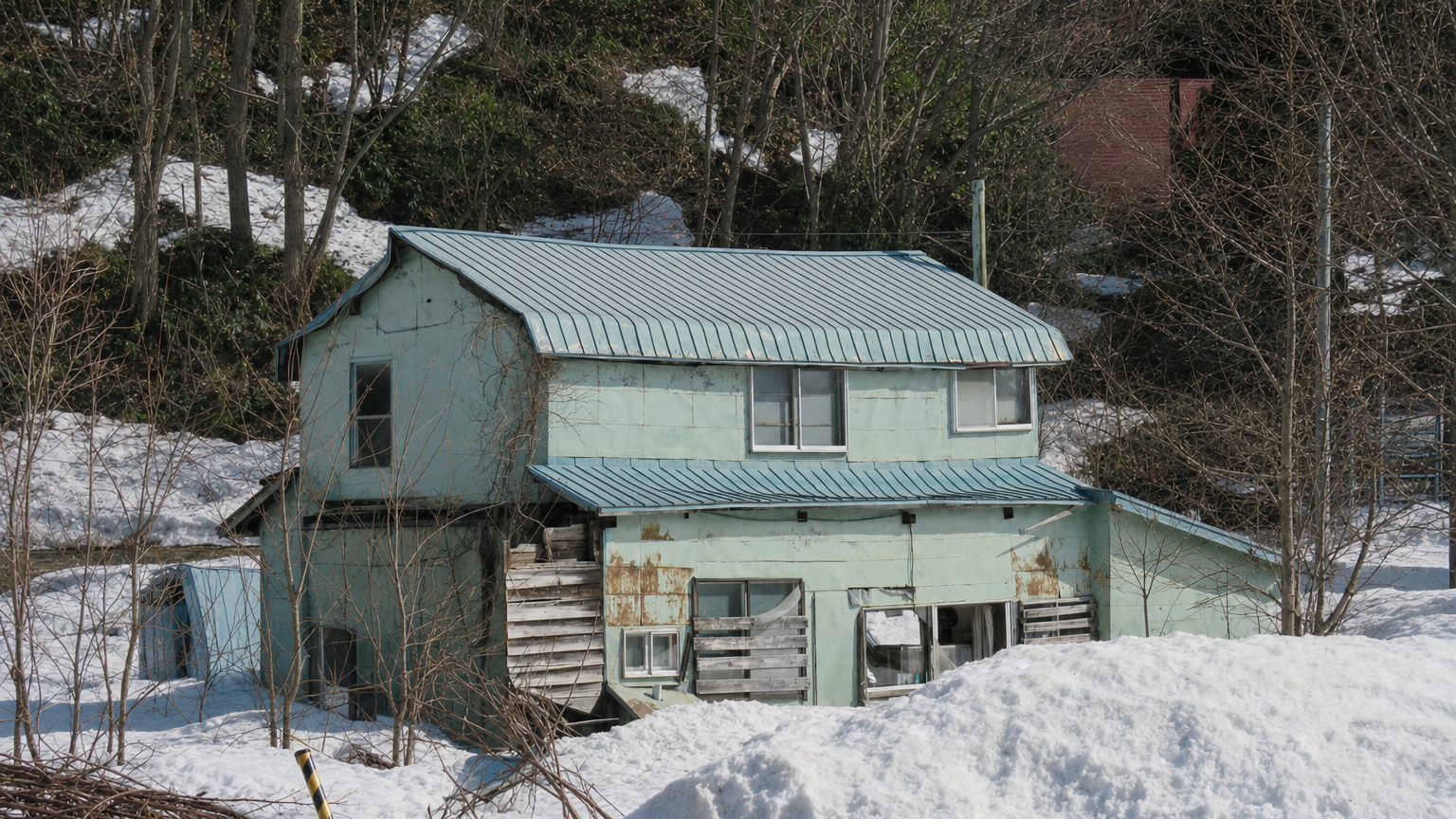
Japan’s growing stock of vacant dwellings has opened a niche market for buyers undeterred by a property’s history of tragedy or death, with estate agents required to disclose such details under official rules. The Ministry of Land, Infrastructure, Transport and Tourism issued guidelines in 2021 mandating revelation of suicides, murders, fires or cases where a body remained undiscovered for a prolonged period. A 2025 survey cited in reporting published Wednesday found that more than half of Japanese respondents would now rent such a stigmatised home if the price proved sufficiently attractive, reflecting broader pressures from rising living costs and conventional real estate values.
One tenant identified only as Ryua obtained almost 30 percent off the rent for her 25-square-metre studio in Tokyo’s fashionable Setagaya ward after being informed that a previous occupant had killed himself there. She told a BBC reporter on October 29 2026 “I live with a ghost” while expressing satisfaction with the financial benefit in a high-cost city. Comparable discounts appear in sales, where affected properties can change hands for well below the price of nearby homes without such associations.
American resident Jennifer Tincher acquired a home in Chiba prefecture for 20 million yen in a neighbourhood where equivalent properties typically command up to 45 million yen. “I don’t believe in ghosts. But I know that the Japanese are very superstitious” Tincher said according to the same report. “If there is a ghost I’m thankful to her every day to live in such a splendid and affordable home.”
Teru Oshima, founder of the crowdsourced platform Oshimaland that lists stigmatised properties, noted that such homes were once largely avoided but have grown more appealing as overall house prices have climbed in recent years. The platform relies on public contributions to map incident locations and associated details. Data compiled by Akiya Japan through July 2026 shows that of the roughly 9 million vacant units nationwide only 326000 or about 3.6 percent sit actively listed for sale, concentrating buyer interest on discounted options.
Japan’s Statistics Bureau counted 8.99 million vacant dwellings in its 2023 Housing and Land Survey, equivalent to 13.8 percent of the country’s total housing stock and the highest share ever recorded. A Nikkei Asia analysis citing the Japan Akiya Consortium placed the cumulative reduction in nearby land values at 3.9 trillion yen or roughly 25 billion dollars over the five years through 2023, largely due to concerns over pests, overgrowth and safety. Projections indicate the vacant total could surpass 15 million units by 2040 without intervention.
Specialist brokers report that murder sites often sell at discounts approaching 80 percent while other incidents may require reductions closer to 20 percent, according to a Reuters assessment from June 2025. Companies such as Kachimode and MarksLife provide ghost inspection and spiritual cleansing services performed by Buddhist monks to improve marketability. These properties have delivered average investment returns of 8.4 percent in some portfolios, well above the 3.55 percent typical for central Tokyo studio apartments cited in the same CBRE survey.