ع



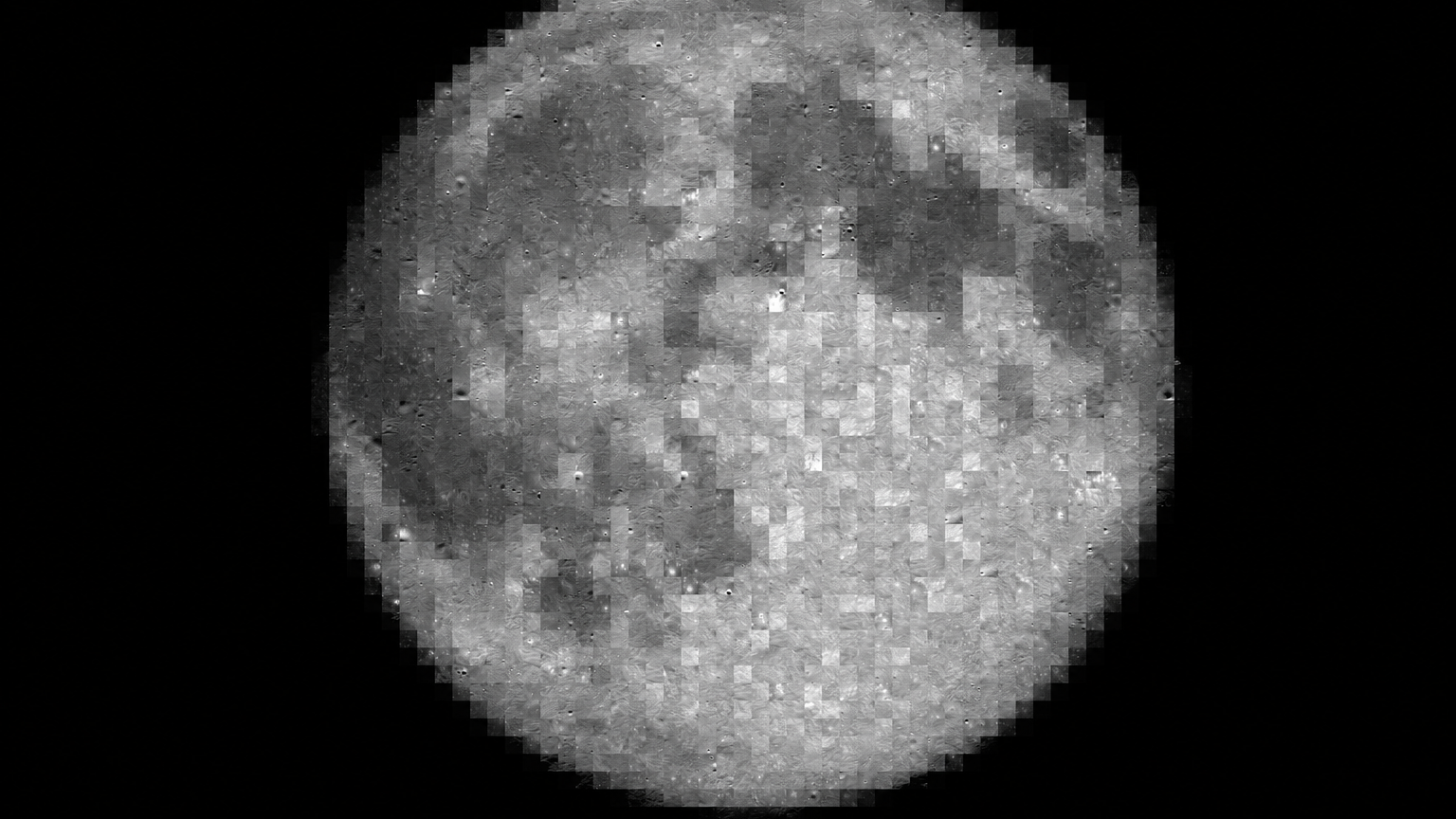
The Hunter’s Moon reached peak illumination at 12:12 a.m. EDT on October 26, 2026, according to the U.S. Naval Observatory.
The event followed September’s Harvest Moon and provided bright moonlight visible across multiple continents on the evenings of October 25 and 26, EarthSky.org reported.
Observers noted the moon appearing nearly full for several days, allowing extended viewing opportunities without specialized equipment.[[1]](https://www.almanac.com/content/full-moon-october)
October’s full moon draws its name from the historical transition after crops were harvested when fields became clear and animals easier to spot for hunters preparing meat stores for winter, The Old Farmer’s Almanac explained.
This seasonal marker has roots in folklore from Native American and colonial traditions though exact origins remain uncertain across sources.
The almanac and similar references consistently tie the name to practical autumn activities rather than any change in the moon’s appearance or size.
Photographers in New York City captured the 98 percent illuminated moon rising behind the EdgeNYC observation deck at Hudson Yards with the sunset providing a striking backdrop, Getty Images stated.
Comparable views emerged from Lisbon in Portugal where the moon lit up the skyline, a NurPhoto collection of editorial images showed.
In the United Kingdom images depicted the moon rising above Stonehenge adding an element of ancient heritage to the celestial event according to social media posts from local accounts.
Asian locations contributed additional perspectives with multiple frames from Tehatta and Assam in India showing the moon against rural and urban settings, NurPhoto figures indicated.
A nearly full moon shone over Kathmandu in Nepal in separate shots from the same agency.
These images highlighted how the event transcended borders and drew participation from amateur and professional photographers alike.
The moon rose only about 30 to 35 minutes later each successive evening around this full moon compared to the average 50 minute delay, EarthSky.org data places the variation.
This trait historically supplied more usable evening light for outdoor work such as hunting, various astronomical assessments found.
Saturn appeared as a bright steady point of light near the moon with the Pleiades star cluster also visible in the vicinity during the nights of October 25 through 27, EarthSky.org reported.
The 2026 Hunter’s Moon was an ordinary full moon at a distance of roughly 368,859 kilometers from Earth rather than a supermoon, Orbit and Atom noted in its overview.
It coincided with the moon in the constellation Aries though planetary positions including a retrograde Venus added layers for those tracking astrological interpretations.
Similar events will continue with the next full moon anticipated in November according to annual lunar calendars from the U.S. Naval Observatory.