ع



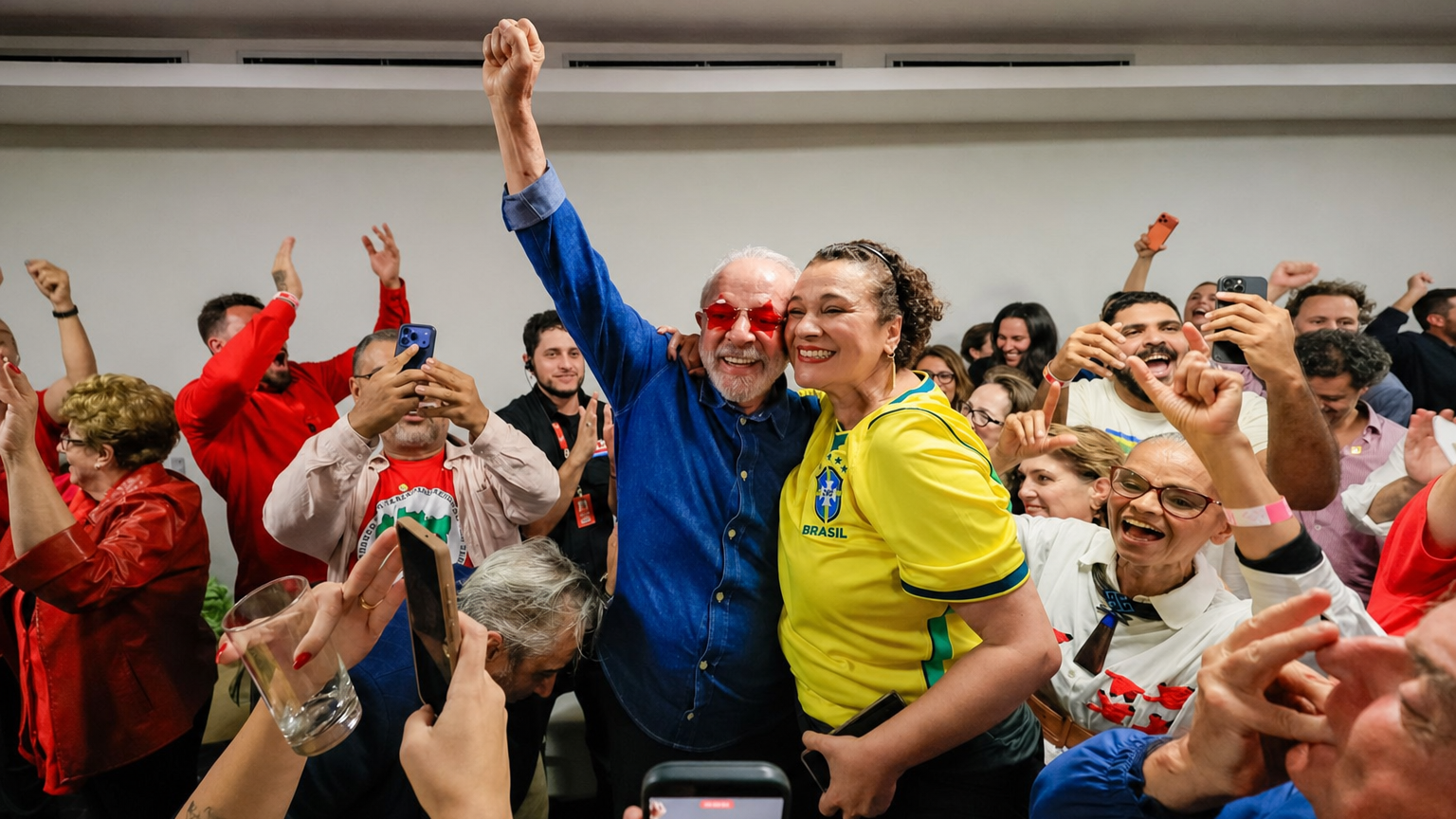
Brazil’s electoral authorities declared Luiz Inacio Lula da Silva the winner of the October 2026 presidential runoff with 51.79 percent of the valid votes, according to a report from NBC News citing the Superior Electoral Court. The 81-year-old leader overcame an initial first-round deficit to secure victory against Senator Flavio Bolsonaro, the son of former president Jair Bolsonaro, in a result that Reuters described as defying polls and recent regional trends favoring the right. A G1 timeline published on October 25, 2026, noted that the win marks the first time a Brazilian candidate has claimed the presidency after trailing in the opening round since the return to democracy in the 1980s. Lula’s latest term will begin in January 2027, extending his cumulative time in office toward 16 years by 2030 if completed.
Born on October 27, 1945, in Garanhuns, Pernambuco, Lula was the seventh of eight children of illiterate farmworkers Aristides Inacio da Silva and Euridice Ferreira de Mello, an official biography on the Brazilian government website records. The family migrated to Sao Paulo when he was seven, traveling in the back of a truck, after which he left school early to work as a shoeshine boy and street vendor before training as a metalworker. Lula lost part of a finger in a factory accident, later earning a mocking nickname from political opponents, Britannica’s profile states. By the mid-1970s he had risen to lead the metalworkers union in Sao Bernardo do Campo, winning election as its president with 92 percent of the vote in 1975 and representing 100,000 workers.
Lula helped organize major strikes in 1978 and 1979 that challenged Brazil’s military dictatorship, leading to his brief arrest in 1980, according to a detailed timeline from G1. On February 10, 1980, he joined intellectuals, unionists and activists to found the Workers’ Party, an organization that grew into Brazil’s dominant left-wing force, the government biography notes. Elected as a federal deputy in 1986, he participated in drafting the 1988 constitution before launching unsuccessful presidential bids in 1989, 1994 and 1998. His persistence paid off on his birthday in 2002 when he captured nearly 53 million votes to become the country’s first working-class president.
During his initial two terms from 2003 to 2010, Lula expanded social programs including Bolsa Familia and Fome Zero that a government assessment credited with reducing extreme poverty and inequality, lifting millions of Brazilians into the middle class. He left office in 2011 with an approval rating of 57 percent after his 2006 reelection drew a record 58 million votes at the time, official records show. The administration navigated the mensalao corruption scandal in 2005, during which Lula publicly stated he had been betrayed by allies, though he faced no direct conviction then. His chosen successor Dilma Rousseff was later impeached amid the wider Operation Car Wash probe that eventually targeted him.
Lula was convicted in 2017 on corruption charges tied to a luxury apartment and sentenced to more than nine years, eventually serving 580 days in a Curitiba federal police cell between April 2018 and November 2019, multiple reports including from G1 and the BBC confirm. Brazil’s Supreme Federal Court annulled those convictions in 2021 after ruling the presiding judge had shown bias and that the court lacked jurisdiction, restoring his political rights. The decisions allowed his narrow victory over Jair Bolsonaro in the 2022 runoff, leading to his inauguration for a third term in January 2023 at age 77, making him the oldest president to assume office in Brazilian history.
In the years since returning to the Planalto, Lula approved a tax overhaul, managed economic pressures and recovered from a cancerous lesion removed in 2026 as well as labyrinthitis the previous year, according to health updates cited in G1 coverage. His 2026 campaign emphasized continuity of social gains while navigating polarized politics, culminating in the latest comeback that positions him as the first Brazilian elected president four times. The government biography and independent profiles from Euronews and InfoMoney trace this arc as one defined by resilience, from union activism under dictatorship to global influence on poverty reduction strategies.