ع



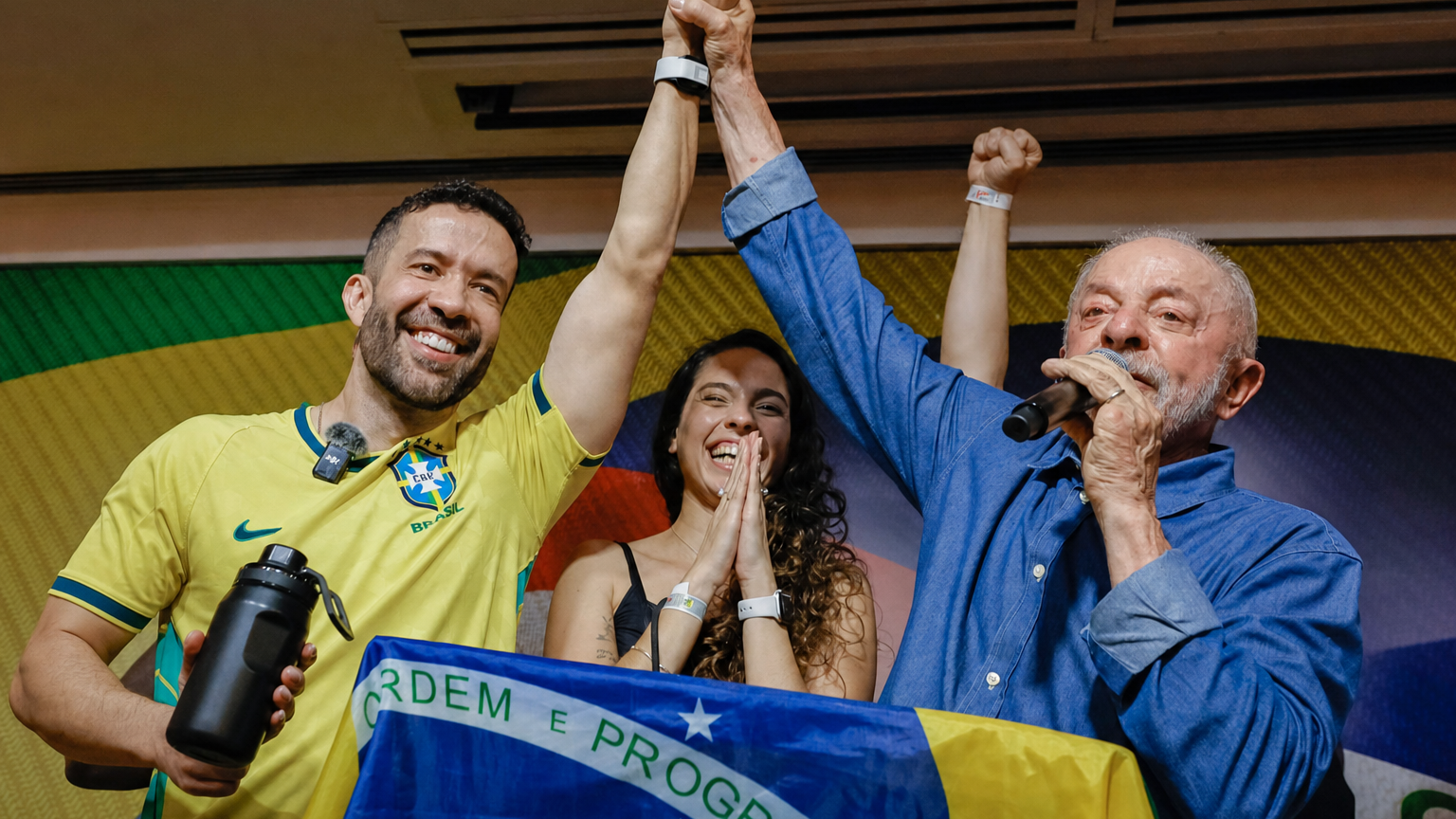
Brazil’s Superior Electoral Court declared President Luiz Inacio Lula da Silva the victor in the presidential runoff with 51.79 percent of the vote to Senator Flavio Bolsonaro’s 48.21 percent, a margin of more than 4.4 million ballots out of over 124 million valid votes cast. The announcement on October 26 followed a tense evening after polls closed the previous day, with the court confirming the outcome once nearly all ballots were tallied. Bolsonaro, the son of imprisoned former President Jair Bolsonaro, refused to accept the result and said he would seek to have the election annulled, pointing to a Supreme Court-ordered two-hour extension of voting hours that both campaigns had requested amid long lines and inclement weather in parts of the country. Reuters reported that the move rattled financial markets, which had anticipated a Bolsonaro victory and now face uncertainty over the leftist leader’s agenda.
The result marks the first time since Brazil restored direct presidential elections in 1989 that a candidate who placed second in the first round went on to win the runoff, according to analysis by Al Jazeera. Lula had trailed Bolsonaro by roughly 2.2 million votes on October 4, yet boosted turnout among his supporters in the northeast helped close the gap as abstentions dropped from 21.08 percent to 19.21 percent. The Guardian noted that the 80-year-old president, who turns 81 this week, addressed ecstatic supporters in Sao Paulo and described the win as a defeat for denialism while pledging to change how the country is governed.
Lula’s victory bucks a regional trend of rightward shifts across Latin America, where countries including Argentina, Chile, Colombia and Peru have recently elected more conservative leaders often aligned with U.S. interests, CNN reported. The incumbent from the Workers’ Party first served as president from 2003 to 2010 before returning to office in 2023 after a period of political turbulence that included his own imprisonment on corruption charges later annulled. He will be sworn in for this unprecedented fourth non-consecutive term on January 5, 2027, becoming the oldest Brazilian president to take the oath in the democratic era.
Bolsonaro’s Liberal Party emerged as the largest force in the lower house of Congress with 121 of 513 seats following parliamentary elections three weeks earlier, leaving Lula to govern with a hostile legislature, a dpa international assessment found. The president faces immediate challenges including persistent cost-of-living pressures, crime and corruption concerns that dominated the campaign, alongside the need to maintain social programs that have benefited millions in the northeast. UPI data showed that Lula’s campaign emphasized mobilizing voters by framing the contest as a choice between democracy and external influences, helping reverse the initial deficit.
In his victory speech, Lula told the crowd, “We are going to change the way that this country is governed. This election was a defeat for denialism. I want to thank God and to thank you, Brazilian men and women of this country. It was democracy that made this happen.” The statement, carried by multiple outlets including The Guardian, underscored his focus on inclusive governance after a bitterly divided campaign. AFP noted that the outcome prevents a continuation of the Bolsonaro family influence in the presidency, as Flavio had campaigned on closer ties with Washington following his father’s 27-year jail term for attempting a coup after the 2022 loss to Lula.