ع
ع


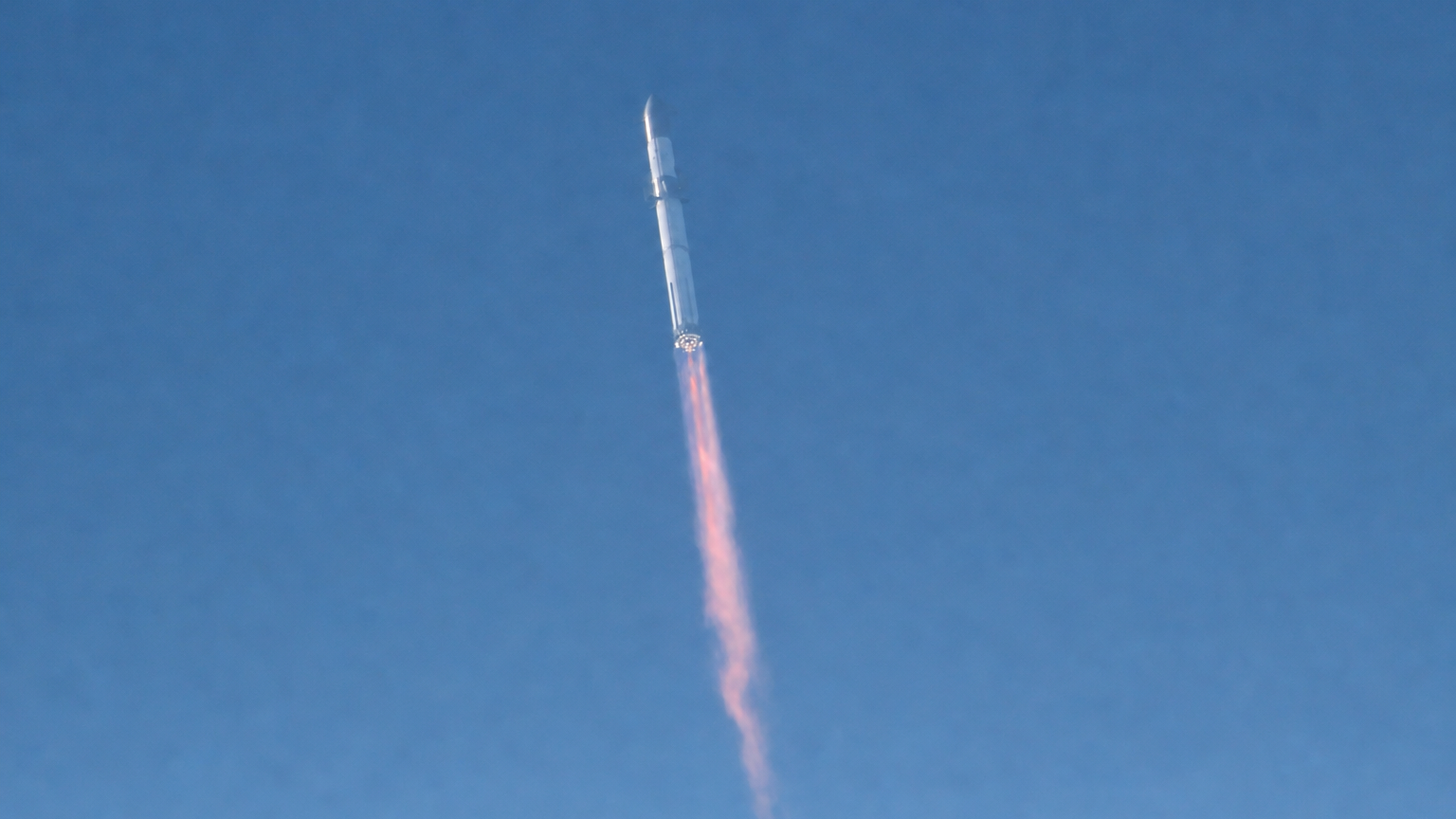
SpaceX launched its uncrewed Starship vehicle, comprising a Super Heavy booster and upper stage that together stand 40 stories tall, from the Starbase complex near Brownsville, Texas, on September 28, 2026. The booster propelled the upper stage into space before executing a controlled engine-powered splashdown in the Gulf of Mexico, improving upon hard landings seen in two previous missions. SpaceX monitored the flight in real time as the Starship upper stage continued its trajectory after separation, according to a Reuters dispatch from the launch site.
An engine shutdown occurred midflight, leading a SpaceX spokesperson to initially declare on the company live stream that orbital velocity could not be reached. The assessment changed minutes later after engineers confirmed the vehicle could still complete a critical burn to enter orbit, the spokesperson added during the broadcast. Planners shortened the overall mission from a planned 10 hours and six Earth orbits to roughly three hours, with a de-orbit burn performed on the second orbit.
Starship deployed its 26 next-generation Starlink V3 satellites one by one at an altitude of approximately 269 kilometers once in orbit, Reuters reported. Elon Musk wrote on X that all 26 satellites had been deployed and were operating nominally. The action represented the first time Starship had carried and released operational payloads while in orbit, advancing the company’s plans for more frequent Starlink launches.
The spacecraft executed a controlled descent into the Pacific Ocean west of Chile, performing a thruster maneuver that oriented it vertically for a nose-up water impact. Fire engulfed the base of the vehicle upon contact with the sea surface before it tipped onto its side, producing a large fireball, according to video captured during the test. The sequence concluded the abbreviated flight that had achieved the long-sought orbital milestone.
This test followed Starship’s 13th flight in July 2026, which followed a suborbital path but successfully deployed 20 Starlink V3 satellites and achieved a soft splashdown that left the vehicle intact, a NASASpaceflight.com review of that mission found. Data from the July test included detailed heat-shield performance during reentry and in-space engine relight operations. SpaceX has now completed 14 test flights since 2023, each building incrementally toward full reusability of both vehicle stages.
Engineers will review telemetry from the September 28 mission to address the engine issue and refine procedures for future orbital attempts, according to company statements carried by Reuters. Starship is designed to support rapid turnaround launches for commercial satellite deployments as well as NASA missions to the moon under the Artemis program. The company has indicated it intends to place the vehicle into routine service before the end of 2026.