ع
ع


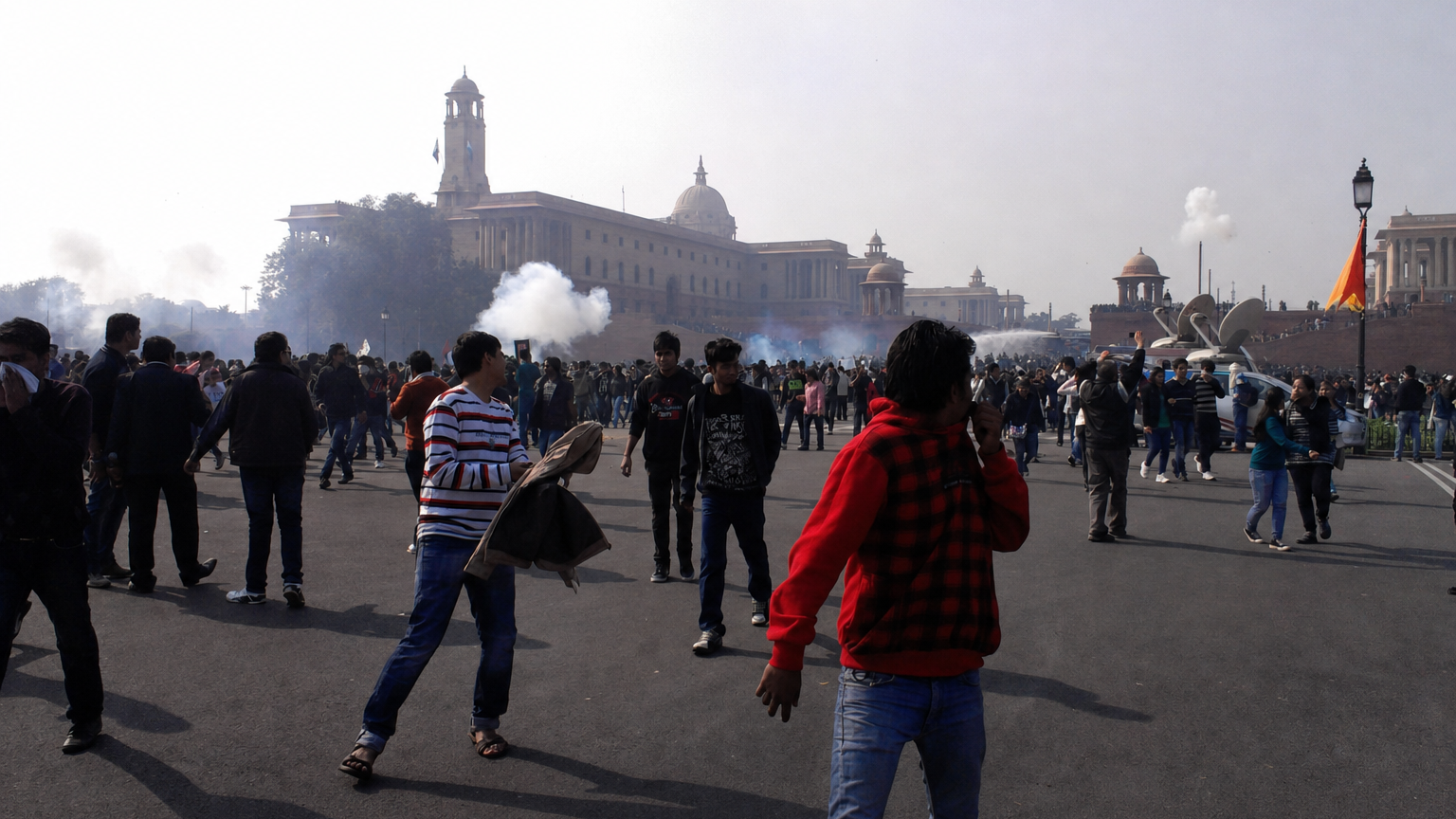
Hundreds of students from Delhi University colleges including Miranda House, Lady Shri Ram College for Women, Gargi College and Kamala Nehru College took to the streets in recent days to protest a series of sexual assaults in the capital and surrounding areas. The demonstrations, held under the banner “Hum Auratein Azaad Hain” or “We Women Are Free,” featured chants and placards asserting women’s right to move freely without fear, according to a Times of India report. Protesters questioned why restrictions were being placed on women rather than potential perpetrators, with one alumnus telling reporters that limiting park access after dark failed to address root causes. The marches occurred amid at least 13 reported cases of rape and sexual assault across Delhi and the National Capital Region since the start of September, a figure compiled by multiple outlets including Outlook India. Delhi Police data cited in local coverage showed more than 1,020 sexual offence cases, including 653 under the POCSO Act for crimes against children, recorded in the capital by mid-September.
The latest high-profile incident involved the alleged gang-rape of a 17-year-old girl by three men posing as police officers inside Aastha Kunj Park in Kalkaji on September 21, Reuters reported. The assault took place near Lady Shri Ram College, prompting the institution to suspend classes temporarily out of safety concerns for students. Police arrested suspects in the case, including firing at and detaining one, while two brothers were questioned, according to senior officers quoted in coverage. A related protest march drew nearly 200 participants from several colleges on September 25, with students stating they felt unsafe walking in unlit streets at night. Similar actions continued on September 28, including a planned solidarity march by Miranda House students.
India’s Supreme Court took suo motu cognizance of the recent cases and criticised authorities for what it termed a failure of law enforcement, a bench statement detailed in ETV Bharat coverage. Justices JB Pardiwala and K Vinod Chandran emphasised that officials must be held accountable, linking the incidents to broader lapses in public administration and policing. The court action followed student protests and came as Delhi’s chief minister acknowledged security shortcomings and pledged strengthened infrastructure including more patrols. Authorities have initiated safety audits of public parks, focusing on lighting, CCTV and entry controls, according to government announcements reported across outlets. Some parks faced temporary closures after sunset as an immediate response.
National Crime Records Bureau figures show Delhi recorded the highest number of crimes against women among 19 major metropolitan cities in 2024, with 13,396 cases including 1,058 rapes. The capital also led in categories such as dowry deaths and cruelty by husbands or relatives, the NCRB report indicated. Earlier annual data from Delhi Police placed rape cases at 2,141 in 2023, 2,076 in 2024 and 1,901 in 2025, averaging more than five per day in recent years despite some decline. Activists and students noted that these statistics, while reflecting increased reporting post-2012 Nirbhaya reforms, still highlight persistent vulnerabilities in public spaces. A separate midnight solidarity walk in Kalkaji on September 27 drew around 60 women, supported by police deployment, the Hindustan Times reported.
The protests have extended beyond Delhi, with similar demonstrations in Punjab over related safety concerns at universities, though some involved unverified claims that institutions later refuted. In Delhi, participants including a psychotherapist and freelance writer travelled from neighbouring areas to join the Kalkaji walk, emphasising the need for systemic change rather than curbs on women’s mobility. Officials have promised coordination between agencies for better last-mile connectivity, functional public toilets and visible policing, measures urged in student statements to PTI. Coverage drew parallels to the 2012 Nirbhaya case, which also originated in the capital and led to significant legal reforms on sexual violence. Police resolved 976 of the 1,020 sexual offence cases registered by mid-September, according to official tallies.
Student groups have called for faster licensing of safety features in public areas and collaboration between regulators and communities to prevent future incidents. The Supreme Court proceedings are expected to review law enforcement responses across the affected regions in coming weeks. Protesters stressed that genuine safety would require addressing both immediate infrastructure gaps and longer-term societal attitudes, as reflected in their public statements.