ع
ع


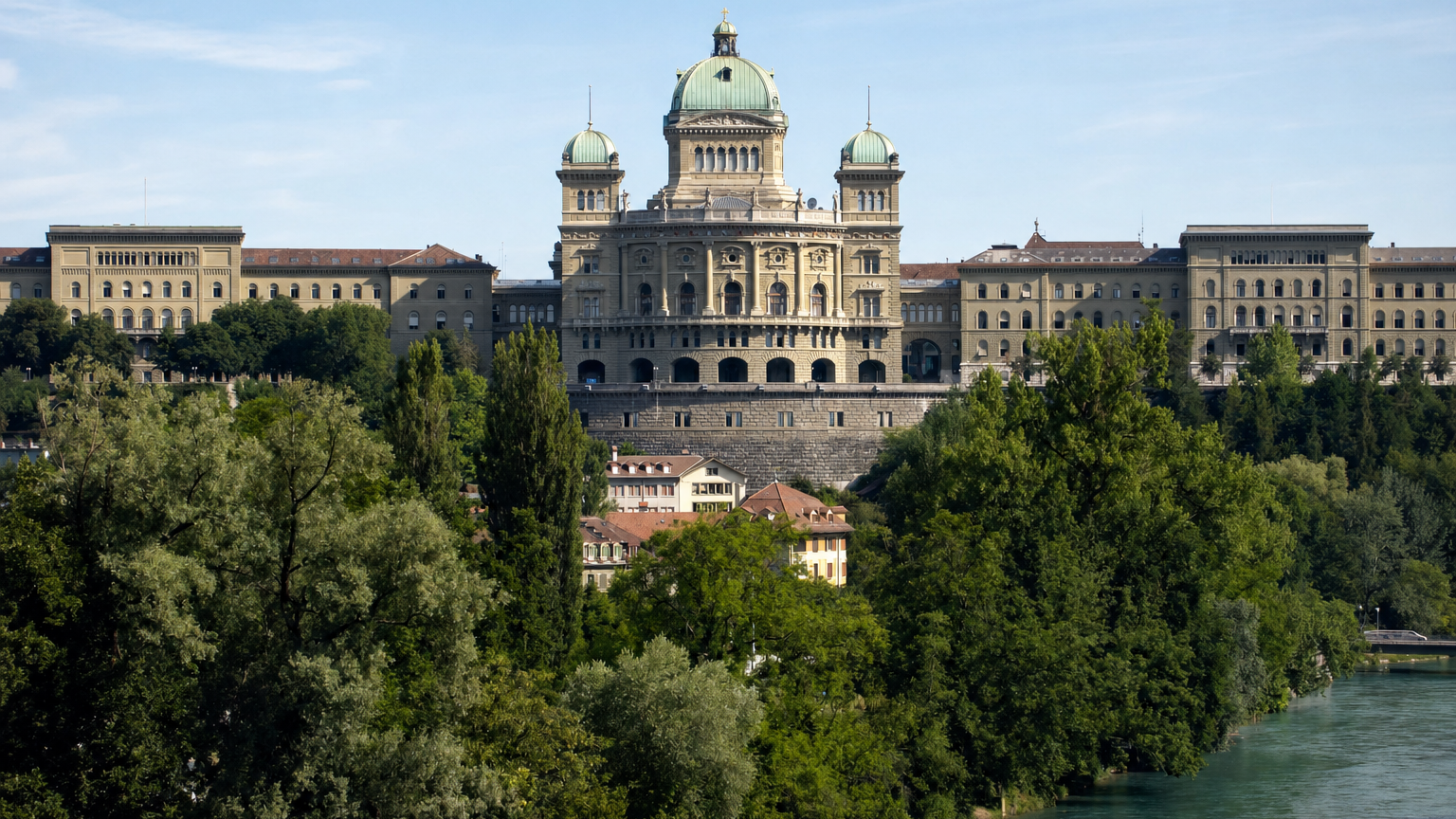
Early results and projections from the GFS Bern polling institute showed Swiss voters rejecting the “Safeguard Swiss Neutrality” initiative by a margin of about 69 to 31 percent, with no canton backing the proposal and overall turnout reaching approximately 46 percent. The outcome on September 27 allows the government to retain its current interpretation of neutrality, which has permitted measures such as sanctions mirroring those of the European Union. According to the Federal Statistical Office, counting continued into the evening but confirmed a decisive defeat for the measure backed by right-wing groups.
The initiative, promoted by the Pro Switzerland association with support from the right-wing Swiss People’s Party, aimed to enshrine “perpetual and armed” neutrality in the constitution first established in 1848. It would have barred cooperation with military alliances such as NATO except in the event of an attack on Switzerland itself and restricted economic sanctions solely to those approved by the United Nations Security Council. The Swiss government website detailed how the proposal emerged in response to Bern’s adoption of sanctions against Russia following its 2022 invasion of Ukraine, a step the initiative’s backers viewed as incompatible with traditional neutrality.
Federal Councillor Ignazio Cassis, who heads the foreign affairs department, stated ahead of the vote that Switzerland “has been and is neutral, and it will remain neutral,” while emphasising that the current approach “has proved its worth” over more than 180 years. Both the Federal Council and parliament had urged rejection of the initiative, with the House of Representatives voting against it by 128 votes to 60 earlier in March 2026 according to swissinfo.ch. Nearly all major parties except the SVP opposed the plan, arguing it would reduce Switzerland’s room for manoeuvre in international crises.
The Kremlin had openly supported the proposal, which carried implications for continued sanctions on Moscow that require no UN approval under the existing framework. A Bloomberg assessment found the result closely tracked final pre-vote polls that showed consistent majorities against the measure throughout the summer. Reuters reporting on the government’s position in August underscored concerns that a rigid definition would hinder responses to evolving geopolitical conditions while maintaining Switzerland’s non-membership in military pacts.
Switzerland’s neutrality was internationally recognised at the Congress of Vienna in 1815 after the Napoleonic Wars, allowing the country to remain outside both world wars and position itself as a mediator in global disputes. The Al Jazeera summary of the referendum noted that the vote preserves the ability to engage in limited security partnerships with neighbours without compromising core non-alignment. Politico coverage highlighted how the defeat safeguards Switzerland’s sanctions regime against Russia, which has been in place since the full-scale invasion.
Billionaire former SVP leader Christoph Blocher contributed around 2 million Swiss francs to the “yes” campaign, yet the initiative gained little traction beyond its core supporters according to multiple outlets including Euractiv. This marks the second rejection this year of an SVP-linked popular initiative after voters turned down a proposal to cap the population at 10 million in June. Analysts from gfs.bern described the outcome as a clear endorsement of pragmatic rather than dogmatic neutrality in a statement to Swiss broadcasters.