ع
ع


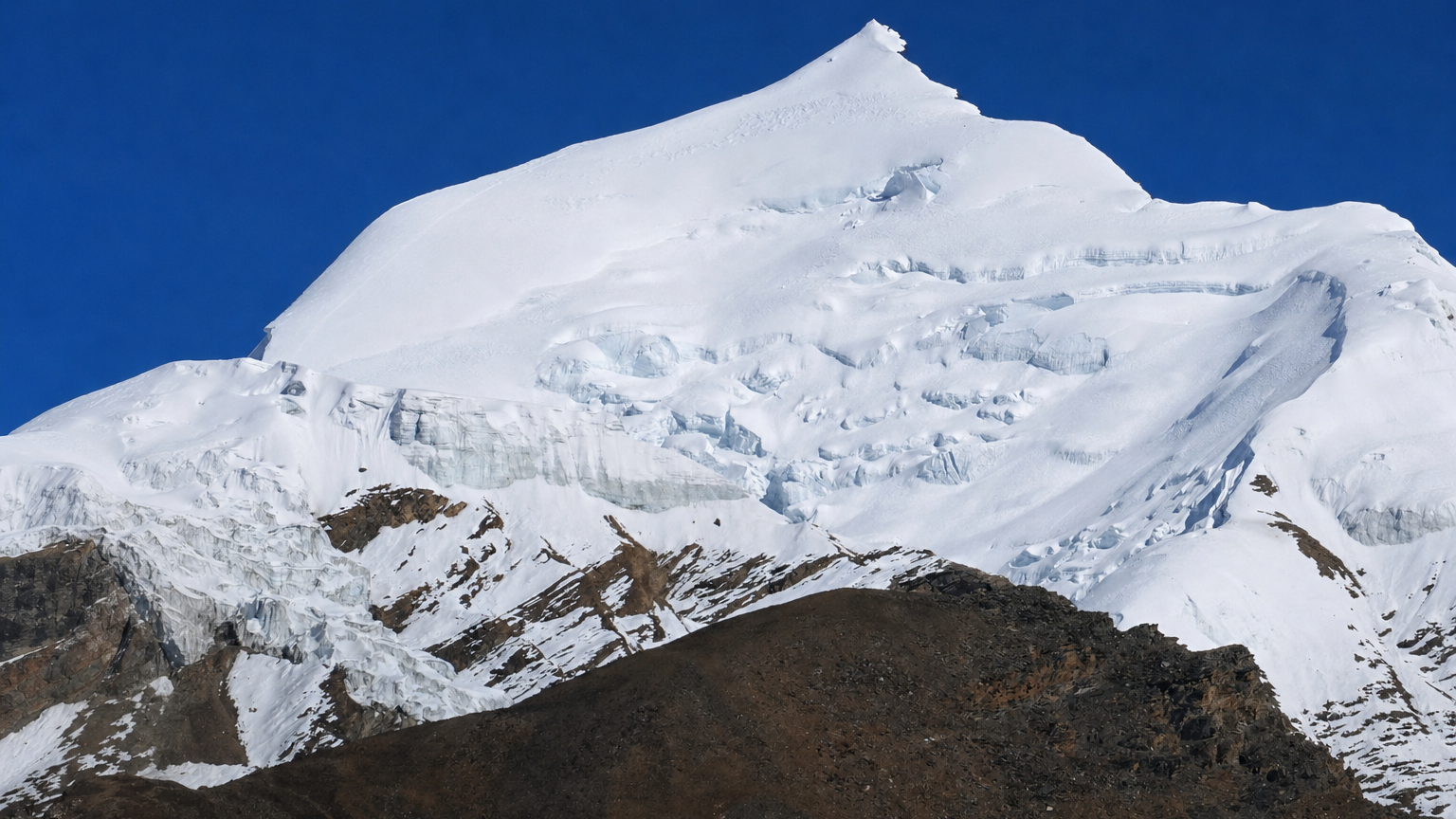
An avalanche swept through the base camp of the 7 126-metre Himlung Himal in Nepal’s Manang district on Sunday morning, leaving ten expedition members unaccounted for as teams prepared the route for a United Arab Emirates group due to arrive in early October. Himalayan Holidays general manager Barun Bhandari told CNN that six or seven of the company’s crew were believed missing while the precise total was still being confirmed with Nepal’s tourism board. Renowned climber Mingma Gyalje Sherpa, who operates a separate expedition on the peak, stated that two kitchen staff from his team were among those caught in the slide after they returned to the camp despite earlier warnings to evacuate.
The incident forms part of a pattern of avalanche risks that have intensified across Himalayan routes this year, coming barely two months after a July avalanche on Pakistan’s Broad Peak killed all ten members of an international team that included Nirmal Purja. A Reuters assessment of that earlier disaster placed five Nepalis among the victims whose bodies were eventually recovered after a week of searching in difficult terrain. Mingma Gyalje Sherpa, who helped lead recovery operations on Broad Peak, told Everest Chronicle he had repeatedly urged staff to descend from Himlung Himal after weather forecasts worsened but some chose to remain to complete rope-fixing work.
Heavy snowfall had already disrupted operations across several central Nepali peaks, forcing most climbers to retreat to lower altitudes in the days before the avalanche, according to a Himalayan Holidays statement. The base camp sits on relatively flat ground near the China border, a feature Bhandari described to CNN as having made the location seem secure until the slide of snow and rock descended without warning. Expedition members had reached the site on September 18 carrying supplies, yet communication lines remain limited due to the area’s remoteness and ongoing storms.
Nepal’s tourism board is coordinating with the affected companies to organise a rescue helicopter, though rainfall and poor visibility continued to delay flights on Sunday afternoon, India Today reported citing Rishi Bhandari of the Expedition Operators Association Nepal. Two of the missing workers are linked to Imagine Nepal while the remainder come from Himalayan Holidays, the association confirmed. Mingma Gyalje Sherpa noted the mountain’s unpredictability even in areas previously considered low-risk, echoing comments from organisers of other recent incidents on peaks such as Manaslu where two climbers died in a separate September avalanche.
This latest event adds to a rising toll from Himalayan avalanches that claimed nine lives during a 2025 snowstorm disaster in Dolakha district, according to Nepal disaster management records. In that earlier case teams were buried under six metres of snow and rock at Yalung Ri base camp, with search operations suspended after compacted ice made further excavation unsafe for rescuers. The current Himlung Himal operation faces similar challenges from persistent bad weather that has already curtailed autumn climbing across the region.
Authorities have not released the names of those missing, focusing instead on confirming their exact number and preparing equipment for a ground search once conditions allow, a tourism board spokesman told local media. Companies involved continue to monitor tracker data and satellite imagery from the site while families await updates from the remote valley. The Himalayan Holidays team had been setting up tents and fixing ropes when the avalanche struck, Bhandari added in his account to CNN.