ع
ع


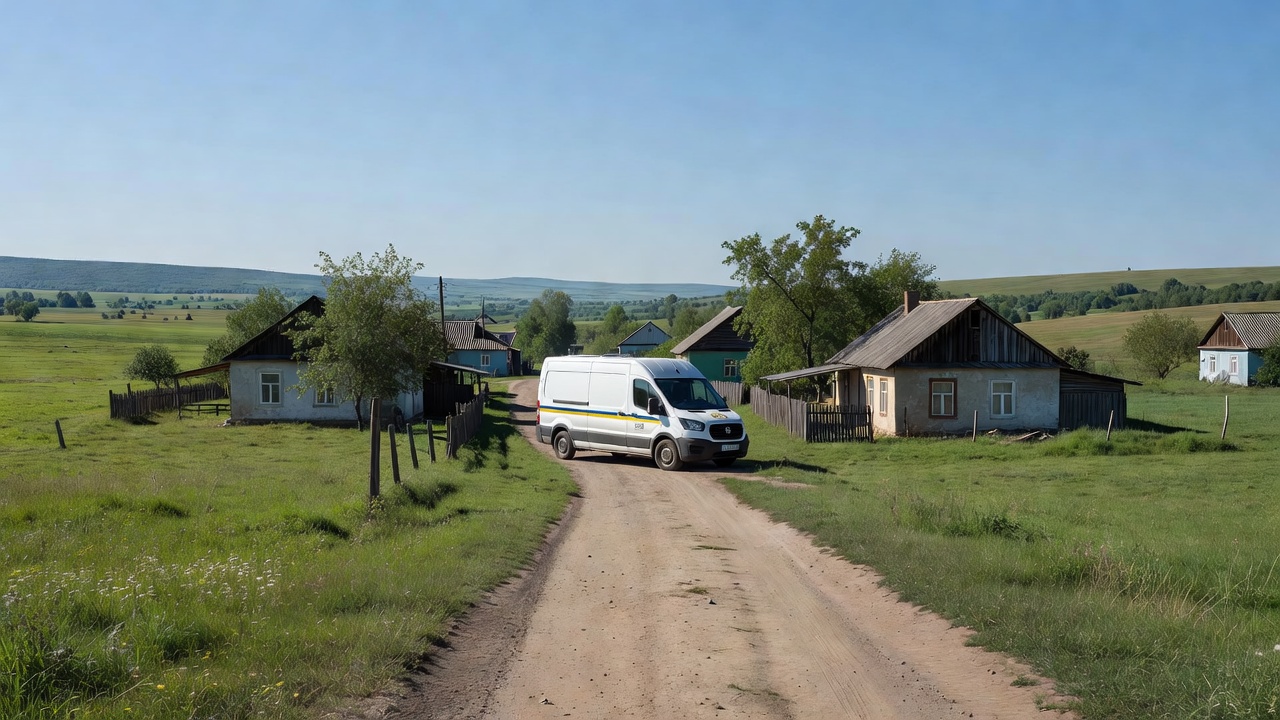
Ihor Smelyansky makes daily calculations on where to deploy his postal teams along Ukraine’s front lines, weighing the risks of drone strikes against the need to reach vulnerable communities. The Ukrposhta chief told the BBC that flexibility remains essential, with deliveries postponed when conditions turn too dangerous. The state-owned service functions as a critical lifeline, disbursing cash pensions, collecting bills and supplying food and medicines to elderly residents in areas where commercial options have vanished.
Since Russia’s full-scale invasion began in 2022, the company has seen hundreds of its branches and vehicles damaged or destroyed. Ukrposhta has reported that more than 50 of its employees have been killed while performing their duties. A management report published by the operator for 2025 showed it still operated more than 7,200 outlets including 2,000 mobile units that serve over 20,000 settlements despite losing access to 14 percent of its network.
In the Kherson region, police rescued two postal workers in January after a drone struck their vehicle during a delivery run, according to local human rights outlet Zmina. The incident left the car unusable and ongoing shelling blocked their exit until authorities intervened. Such events illustrate the constant perils that have become routine for staff operating near active combat zones.
Despite these losses, Ukrposhta has maintained strong operational performance. Reports in the Telegraph newspaper highlighted that the service achieves on-time delivery for 98 percent of items, placing it among Europe’s top performers. The company processed 82 million correspondence items, 43 million parcels and 87 million payments throughout 2025, its annual figures show.
Individual workers have shared accounts of continuing their routes under fire, viewing the task as essential for sustaining civilian life in frontline villages. One postal employee in the Kharkiv region described narrowly escaping drone attacks while on rounds, according to a Telegraph correspondent who accompanied deliveries. These efforts have earned postal staff recognition as national heroes from residents who depend on monthly visits for financial support and supplies.
Ukrposhta has adapted its methods by providing staff with protective equipment, generators and satellite communication tools to overcome disruptions. Smelyansky has visited branches in dangerous areas monthly and emphasised the role of mobile offices in sustaining presence where fixed locations become untenable. The adaptations have allowed the service to reach communities even after fixed branches close due to hostilities.
Russian authorities have denied intentionally striking civilian targets such as postal vehicles. The continued functionality of Ukrposhta comes as the conflict has caused widespread damage to infrastructure across eastern and southern Ukraine. The workforce averaged 27,835 full-time employees in 2025 according to the company’s management report.