

 ع
ع


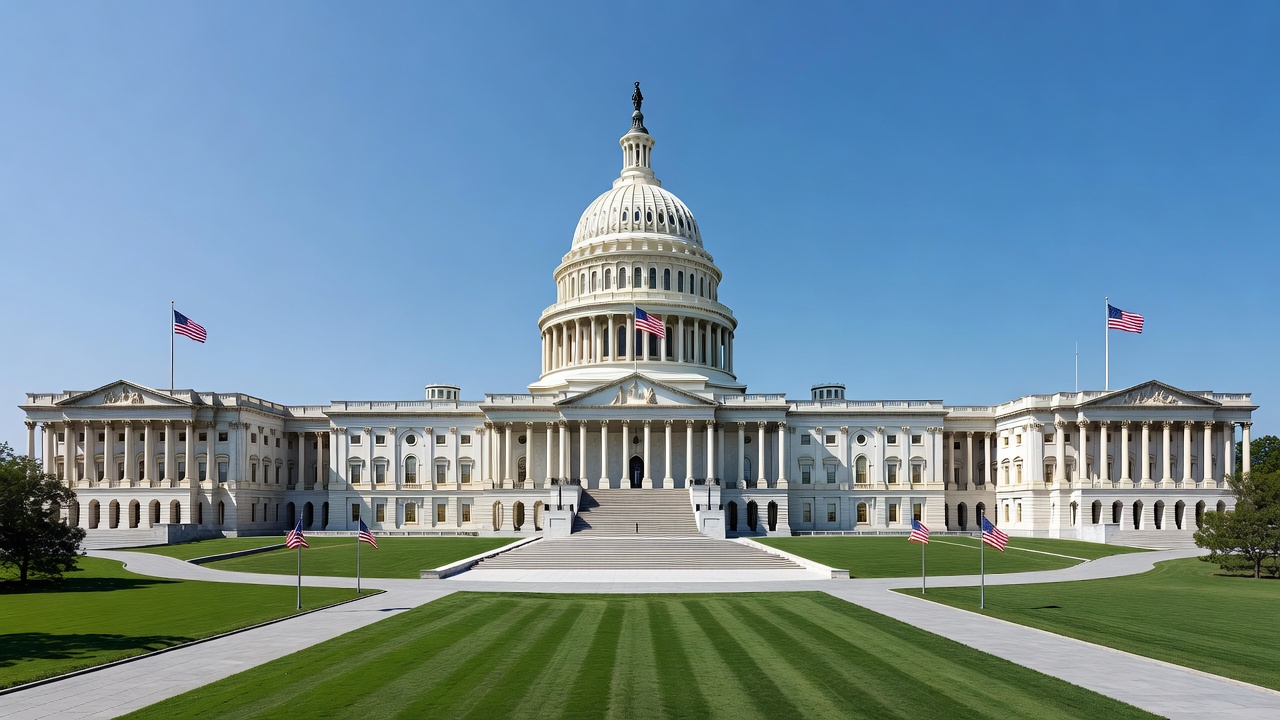
Reports from POLITICO and Axios published on September 14, 2026, outline how President Donald Trump moved to block further artificial intelligence regulations by asserting that existing measures suffice and describing the technology’s potential dangers as a hoax. House Speaker Mike Johnson reinforced a hands-off approach in appearances on CNN and NBC, placing primary responsibility on developers for product safety while cautioning that rushed congressional rules could hand an edge to China in global competition. The resulting partisan and intra-party divisions have made near-term consensus on federal legislation nearly unimaginable, according to an Axios review of the political landscape, even as industry executives escalate their public warnings about uncontrolled advancement.
Senate Commerce Committee Chairman Ted Cruz signaled he could convene a markup session this month on targeted AI legislation developed in coordination with Sen. Amy Klobuchar and Senate Majority Leader John Thune to address biological and nuclear threats from advanced models. Reuters reported on the same day that negotiators are weighing provisions requiring AI companies to demonstrate reasonable precautions against catastrophic harm, potentially including deployment of government auditors for independent testing. Klobuchar stated that she is advancing toward a bipartisan framework focused on the most severe risks posed by frontier systems, while details on what constitutes reasonable measures remain under discussion.
Progressive voices have advocated more restrictive steps, with independent Sen. Bernie Sanders and Rep. Greg Casar pushing for legislation that would ban development of superintelligent AI and impose pauses on advanced systems, positions detailed across CBS News and Axios coverage. House Democrats led by Minority Leader Hakeem Jeffries have pressed Speaker Johnson to postpone the chamber’s scheduled recess at week’s end so lawmakers can debate safeguards before the November midterms. Jeffries told reporters that Congress must deliver decisive protection for public safety and well-being, a call echoed in letters to Johnson from a group of House Democrats.
Anthropic, Google and OpenAI have conducted months of talks on creating an industry-led body to establish safety standards and conduct evaluations, according to Semafor reporting that cited participants in the discussions. The BBC highlighted parallel warnings from AI sector leaders, including an Anthropic co-founder who described models as growing more powerful daily and urged government involvement. Critics within Congress and among safety advocates have expressed skepticism that self-regulation would impose sufficiently rigorous controls, preferring mandatory federal audits and transparency requirements.
Senate Democratic Leader Chuck Schumer has demanded an immediate classified briefing for all senators covering frontier model testing protocols, efforts to block advanced chip exports to China and defenses against AI-enabled cyberattacks on infrastructure. A Senate Democratic Caucus statement on September 14 framed the request as essential because the Trump administration has not publicly released its testing framework or detailed mitigation strategies for catastrophic outcomes. The briefing would also examine how current export controls are preventing Beijing from accelerating its own AI capabilities, an area where Schumer has long advocated stronger bipartisan action.
With only a handful of legislative days remaining before the House adjourns until after the elections, Johnson has floated the idea of a summit bringing together the president, congressional leadership and chief executives of major AI laboratories to align on safety principles. The New York Times and Semafor both reported that former President Barack Obama privately encouraged Democrats during a recent meeting to elevate AI as a policy priority and initiate a broad public framework discussion. Lawmakers from both parties have introduced varied proposals ranging from reporting mandates for high-risk models to antitrust waivers allowing coordination on standards, yet none have advanced amid the prevailing impasse.