

 ع
ع


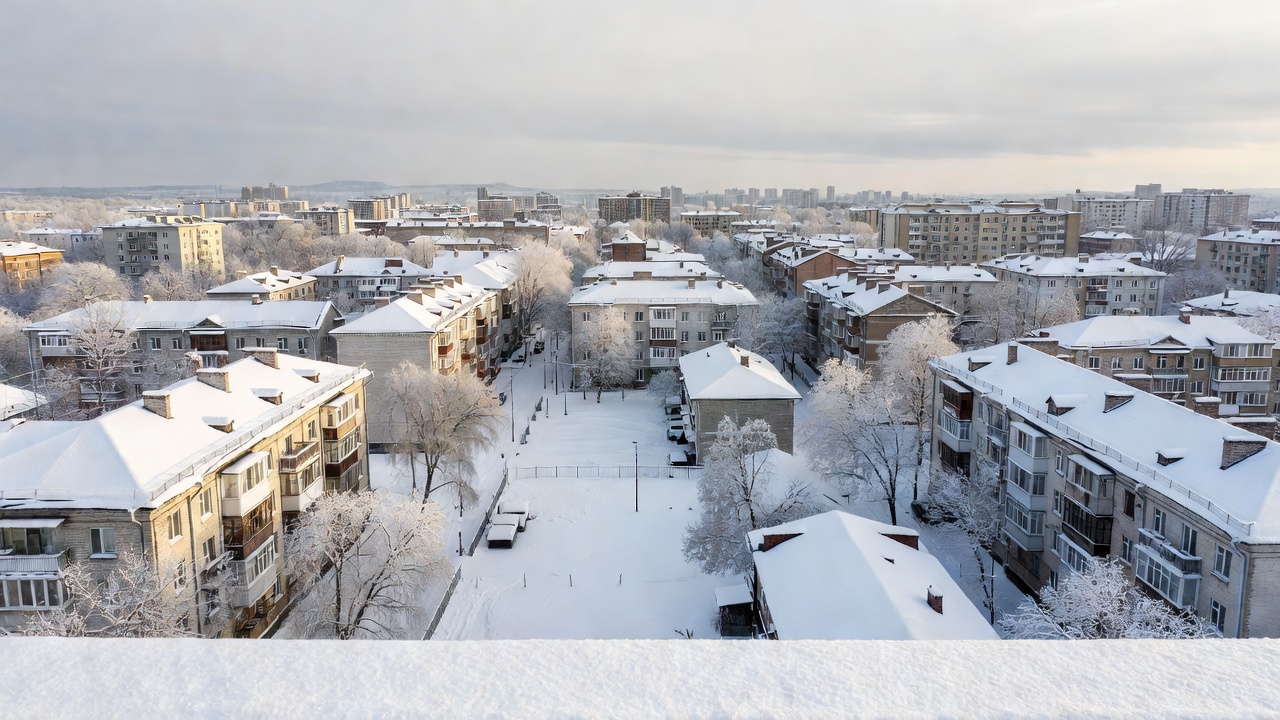
A United Nations official has cautioned that Ukraine confronts its most challenging winter since the full-scale Russian invasion, citing relentless strikes on energy infrastructure that have eroded the country’s ability to provide heat and electricity to civilians. The official outlined the severity in remarks to the BBC, noting that millions could face extended periods without essential services as temperatures drop. The assessment comes as repair efforts struggle to keep pace with the scale of destruction, according to the UN humanitarian office. Civilian infrastructure has sustained repeated hits, amplifying risks for vulnerable populations in both urban centers and frontline areas.
International Energy Agency assessments found that Ukraine’s available power generation capacity has fallen to around one-third of pre-war levels after successive waves of attacks that destroyed or damaged thermal, hydro and other facilities. The agency reported that between early 2022 and mid-2025 the country lost more than 19 gigawatts of dispatchable capacity, with further losses registered in 2025 alone. District heating systems have also suffered, with 18 large combined heat and power plants and over 800 boiler houses affected, according to data compiled by the Kyiv School of Economics and referenced in the IEA analysis. These figures underscore the cumulative strain on the grid ahead of peak winter demand.
World Bank evaluations placed direct damage to Ukraine’s energy sector at nearly 25 billion dollars through the end of 2025, part of broader war-related destruction estimated at 195 billion dollars across housing, transport and other areas. The bank’s latest rapid damage and needs assessment noted an 11 percent rise in overall damages from the prior year, with energy infrastructure accounting for a growing share as attacks intensified. Losses from reduced economic output and service disruptions added another 667 billion dollars, the assessment found. Reconstruction requirements over the next decade exceed 588 billion dollars, the World Bank stated.
The United Nations and partners launched a Winter Response Plan seeking 277 million dollars to reach 1.7 million of the most vulnerable people between October 2025 and March 2026, according to OCHA figures. The plan prioritizes insulation of homes, distribution of heaters and fuel, cash assistance for utilities and repairs to water systems in areas hit hardest by infrastructure strikes. Humanitarian partners delivered support to approximately 1.7 million people during the previous winter season despite severe temperatures and funding shortfalls that reached only 52 percent of broader annual requirements, OCHA data shows. Funding gaps have persisted into the current cycle, limiting the scope of pre-positioned aid.
UNICEF reported that children experienced the harshest winter of the conflict during the 2025-2026 period, with attacks disrupting electricity, heating and water supplies and causing losses of 79 to 88 percent of effective learning time in some regions. The agency documented hundreds of thousands of civilians left without heat for weeks in temperatures that fell below minus 15 degrees Celsius. Verified child casualties rose 11 percent in 2025 compared with the previous year, with at least 92 children killed and 652 injured, according to UNICEF statements. The organization has scaled up winter assistance to 470,000 children as part of its broader response.
Internal displacement figures stood at 3.7 million people at the end of 2025, according to International Organization for Migration estimates, with new evacuations continuing from frontline zones in Donetsk, Kharkiv and Kherson regions. The UN humanitarian needs and response plan for 2026 seeks 2.3 billion dollars to assist 4.1 million vulnerable people, building on lessons from prior winters where collective shelters and mobile heating points proved critical. Matthias Schmale, the UN humanitarian coordinator for Ukraine, warned in related briefings that the combination of colder forecasts and higher destruction levels could test response capacities more severely than in previous years.