ع
ع


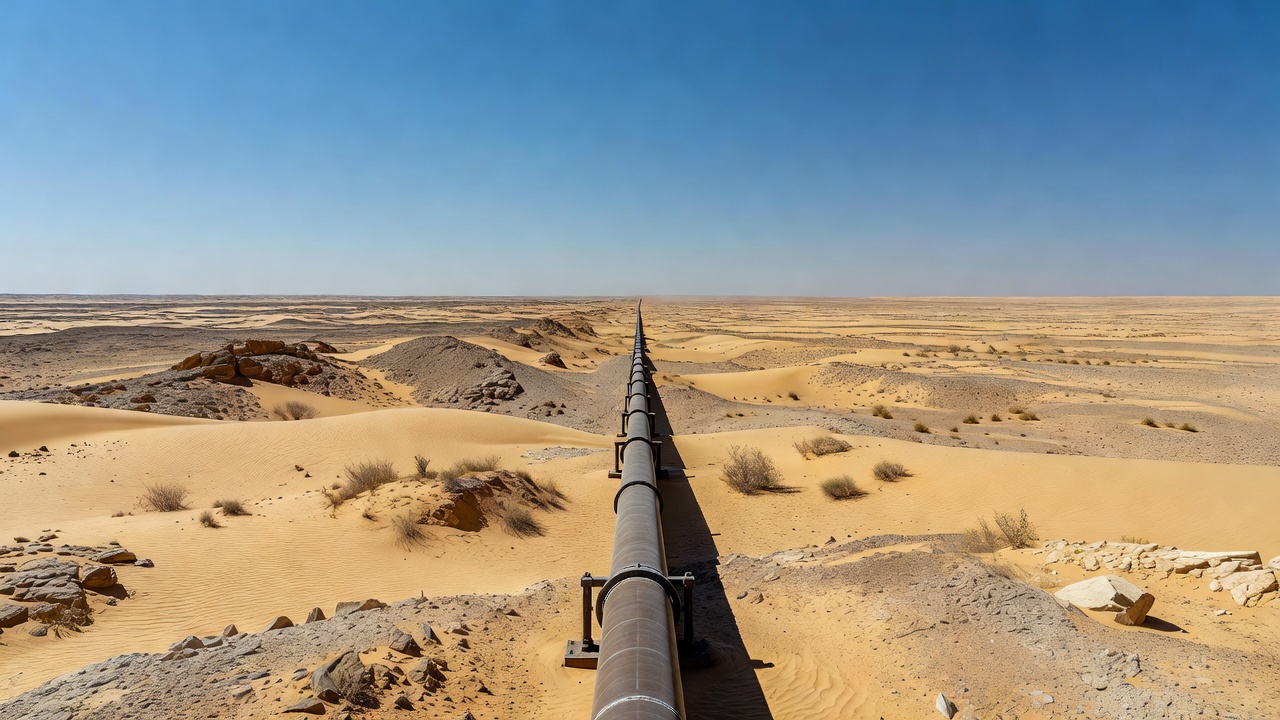
The Saudi Energy Ministry said the East-West pipeline was shut down as a precautionary measure after multiple drone strikes targeted facilities in the Riyadh and Medina regions on September 10. Satellite images published by news outlets including Reuters and CNN showed plumes of black smoke and scorched earth at pumping stations alongside the 1,200-kilometre route. Emergency response teams were sent to the sites to contain fires and begin assessing the extent of the damage, according to the ministry statement.
Saudi Arabia’s Foreign Ministry condemned the attack in a statement issued the following day, confirming it resulted in injuries and material damage that was still being evaluated. The ministry noted that Riyadh had chosen not to respond immediately following a direct request from Iraq’s prime minister to allow time for an investigation. It added that the kingdom reserves the right to take all necessary measures to protect its sovereignty, security and critical facilities.
Iraq’s prime minister’s office welcomed Saudi Arabia’s decision to refrain from retaliation and confirmed that the drones originated from Maysan province, which borders Iran and is an area of influence for Iranian-backed militias. The office announced the dismissal of the military commander responsible for operations in that province after an internal probe verified the launch location. Iraqi authorities also launched a broader investigation into those responsible and stated they would not permit the country’s territory to be used for attacks on neighbours, according to reports from Al Jazeera and Reuters.
The East-West pipeline transports crude from Saudi Arabia’s eastern oil fields to the Red Sea port of Yanbu, serving as a key alternative route after Iran closed the Strait of Hormuz during the ongoing US-Iran war that has entered its seventh month. The Wall Street Journal reported that the pipeline has a capacity of up to 7 million barrels per day and has recently carried between 4 million and 5 million barrels daily. Reuters cited ship tracking companies and analysts in placing that volume at 4 percent to 5 percent of global oil supply.
The strikes come as Iran-aligned Houthi rebels in Yemen have seized additional territory along the Red Sea coast including the strategic island of Perim in the Bab el-Mandeb Strait, further complicating maritime oil shipments and pushing global oil prices above 100 dollars a barrel this week. ABC News and Reuters both linked the increased reliance on the East-West pipeline to the disruptions in the Persian Gulf and Red Sea. Similar drone attacks attributed to groups in Iraq targeted Saudi energy sites in July 2026, prompting Saudi air defences to intercept the threats and coordinate responses with US forces.
The Saudi Foreign Ministry statement distributed via state media emphasised support for Iraqi government efforts to prevent future launches from its territory while maintaining pressure on Baghdad to control militia activity. Iraq’s response included public appreciation for Saudi restraint and a commitment to enhanced border security measures in Maysan province. The incident has drawn international attention as the latest escalation in a conflict that has already strained energy infrastructure across the Middle East.