ع
ع


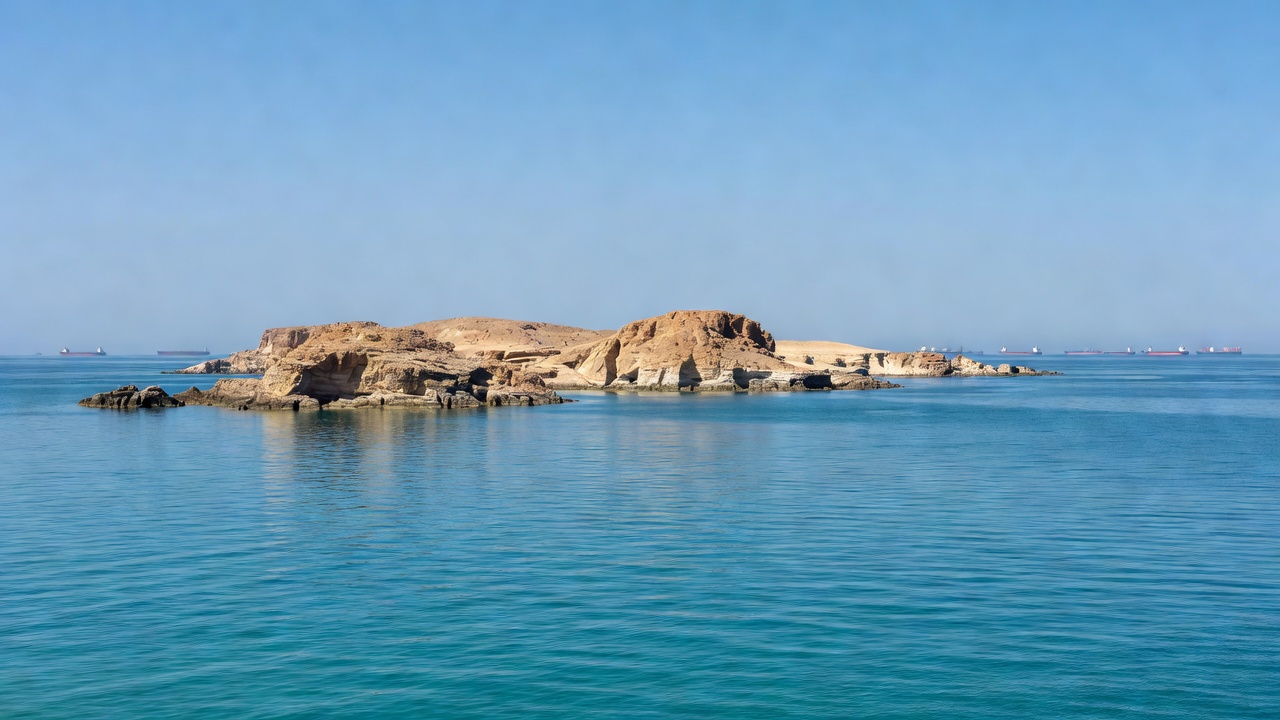
Yemen’s Iran-aligned Houthis seized the strategic Red Sea port city of Mocha on Thursday after sweeping aside government-allied forces in a rapid ground offensive, according to two Yemeni officials who spoke to The New York Times. The militia pushed onward to the coastal town of Dhubab and reached Perim Island, also known as Mayyun, inside the Bab al-Mandab Strait by Friday, four Yemeni government sources told Reuters. These gains have given the group stronger influence over one of the world’s most important maritime passages, where shipping lanes pass within range of its weapons systems.
The advances mark the Houthis’ most significant territorial progress in years and come as the group has already declared a blockade on Saudi shipping through the Red Sea, Al Jazeera reported. Yemeni government sources confirmed that their forces withdrew from Perim Island while relocating southward to regroup, according to Reuters dispatches. A Houthi official also verified the island’s capture in statements carried by AP News.
Iran’s Revolutionary Guards provided direct guidance and assistance for the coastal campaign, Yemeni government, Iranian and regional sources told Reuters. Tehran instructed the Houthis only last week to intensify strikes on Saudi Arabia while pledging more funding, weapons and senior officers to support the effort. Iran publicly maintains that the Houthis operate as an independent ally rather than a proxy force.
Global oil prices climbed following the port seizure, with the Brent crude benchmark exceeding $105 a barrel, according to market data compiled by Tindex and FocusEconomics. Saudi Arabia, the world’s largest oil exporter, has shifted more of its shipments to the Red Sea route after Iran effectively blocked the Strait of Hormuz earlier this year through its own military actions. Satellite images revealed black smoke rising above the kingdom’s East-West oil pipeline, though Saudi authorities have issued no confirmation of any direct hit.
The offensive risks returning Yemen to all-out civil war after a fragile truce held since 2022, according to analysts cited in a New York Times assessment of the conflict’s drivers. The Houthis first took the capital Sanaa in 2014, prompting a Saudi-led intervention the following year that drew the country into years of devastating fighting. All parties, including the Saudi-backed Yemeni government and Iran, now appear to see incentives for further escalation.
Adam Baron, a Yemen specialist at New America, described the Mocha capture as one of the more significant turning points in the conflict in recent years, as quoted by The New York Times. The associated real estate ranks among the country’s most valuable from a strategic standpoint because of its proximity to key shipping lanes. Such control could allow Iran and its partners to influence both the Bab al-Mandab and the Strait of Hormuz, adding pressure on global energy flows.
UN Special Envoy Hans Grundberg warned the Security Council that this renewed war should alarm us all as it effectively marks the end of the relative calm that Yemen has experienced for over four years since the UN-brokered truce, according to his briefing covered by Al Jazeera. Grundberg added that the fighting not only threatens to plunge Yemen into a prolonged and expanding war but also risks yet again dragging the country into the wider and unresolved regional confrontation with global repercussions. Yemen’s internationally recognized government has directed its forces to reorganize and prepare operations to reclaim the lost Red Sea territories, Reuters reported.