ع
ع


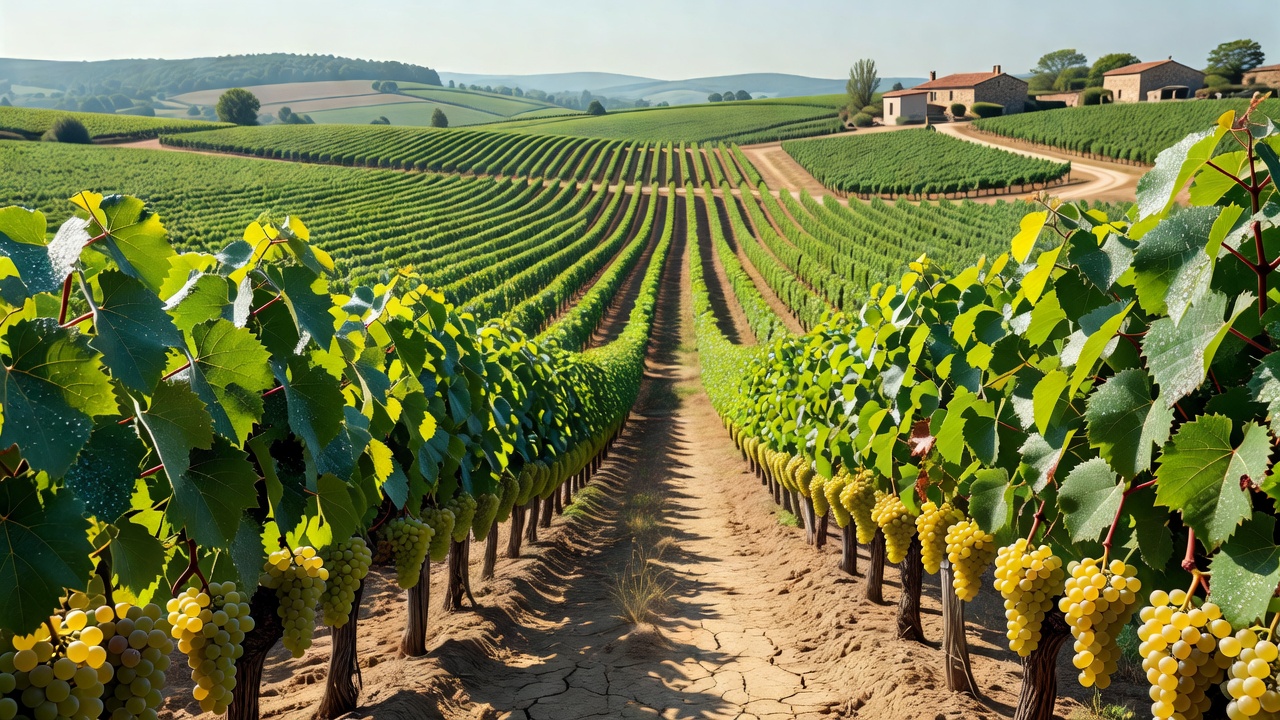
The Comité Champagne announced this week that regulators have approved a temporary increase in the maximum alcohol content for some 2026 champagnes to 15 percent in response to exceptionally high sugar levels caused by record heatwaves. This marks the first time the standard 13 percent cap after secondary fermentation has been raised, with the derogation applying only to wines that might otherwise breach regulations. A spokeswoman for the industry body told the BBC that a very small number of wines from this harvest could have slightly exceeded the limit, reaching around 13.1 or 13.2 percent.
Extreme heat and drought this summer produced grapes with higher than normal sugar concentrations, which yeast converts into alcohol during fermentation, according to the Comité Champagne. The association reported that the 2026 growing season included five heatwaves, severe spring frosts and the earliest harvest in the region’s history, with picking starting on August 6. Widespread harvesting occurred by mid-August, two weeks earlier than in 2025.
Maxime Toubart, co-chair of the Comité Champagne, said this unusual harvest will probably become the norm in 10 to 15 years due to climate change and should prompt reflection on the champagne of tomorrow. Industry data shows average potential alcohol remains below 12 percent across the appellation, though some individual parcels exceeded 13 percent. The temporary measure allows for enrichment while keeping the final product within the new 15 percent ceiling.
According to Reuters, French wine production is forecast at 33.9 million hectolitres this year, 17 percent below the five-year average, with output in the Champagne region set to drop 49 percent from 2025 levels.
The agriculture ministry attributed the declines to repeated heatwaves, drought and spring frosts that reduced bunch weights to their lowest in two decades. Despite the smaller harvest, producers described the grapes as holding potential for very great wines.
Research from multiple sources indicates that Champagne’s climate has warmed by approximately 1.3 degrees Celsius since the late 20th century, advancing harvest dates by nearly three weeks compared with 40 years ago. A study highlighted in The Drinks Business found the Huglin Index has shifted the region from cool to temperate conditions, similar to those in Bordeaux decades earlier. Frédéric Panaïotis of Ruinart has noted that recent hot vintages resemble conditions once typical of much warmer southern French appellations.
Stéphane Vignon, a producer based in Verzenay, said in an interview that the Mediterranean climate is moving north and this represents year one of a new cycle. Some winemakers plan to blend higher-alcohol 2026 wines with reserve stocks from cooler years to maintain their house styles. The adjusted champagnes are not expected on the market before 2028 following mandatory aging periods.