ع
ع


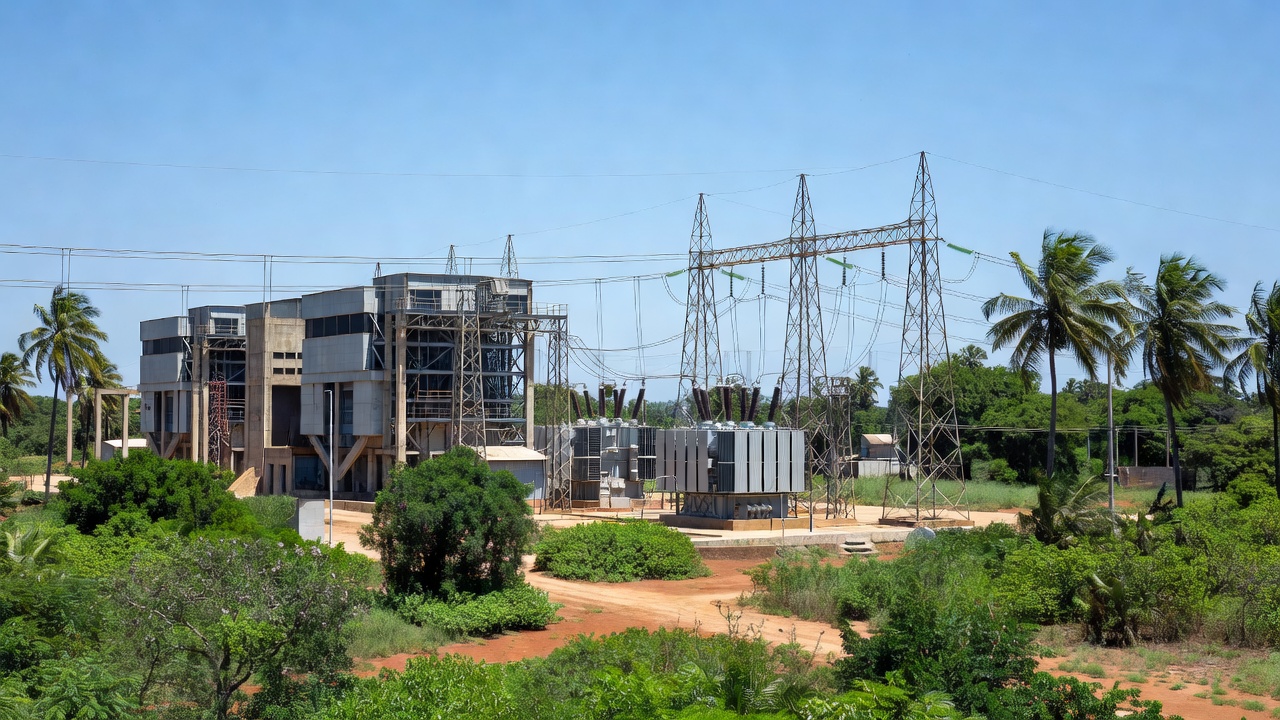
President Adama Barrow declared the prolonged power outages a national emergency and national security issue in a televised address on Tuesday according to accounts from Al Jazeera and Reuters. He acknowledged shortcomings in government planning power generation and maintenance systems while pledging that a new 24-megawatt generating unit at the Brikama power station would come online by the end of October. Barrow announced plans for an additional 50-megawatt solar power plant in Soma that would begin construction soon. The president told citizens “When you lie down in the heat and the dark believe that you are not alone in that darkness” and promised that supplies would improve by the end of next month.
Protesters burned tyres erected barricades and blocked traffic in the capital Banjul and surrounding communities on Monday night Reuters witnesses reported. Demonstrators gathered near the president’s residence and the headquarters of the National Water and Electricity Company where police deployed tear gas to disperse crowds. Some protesters shouted for Barrow to resign as plumes of smoke filled the air in scenes that continued into Tuesday morning. The unrest reflected deep frustration over outages that have disrupted daily life during the peak hot season.
The National Water and Electricity Company had warned in an August 15 statement of an unforeseen surge in electricity demand due to high temperatures a utility assessment found. Gambia supplements its domestic generation with imports from Senegal and Guinea but those supplies have faced constraints from regional technical issues and payment disputes according to NAWEC officials. Blackouts have sometimes stretched to 48 hours forcing families to discard spoiled food and leaving students to study without light. The power provider has also cited climate change and broader geopolitical disruptions as contributing factors in its public statements.
Barrow admitted in his address that the outages had left fans motionless children studying without power and mothers discarding spoiled food while describing the heat as unbearable both day and night. “Let us not destroy in a moment of anger what we suffered so long to gain” the president added in an appeal for unity ahead of December’s presidential election in which he seeks a third term. The comments marked a shift from earlier assurances given during a June 2026 rally where according to allAfrica.com the president had promised uninterrupted electricity within two to three years and highlighted unprecedented progress in the sector since independence.
Investigations by local outlets such as The Alkamba Times have pointed to years of neglected maintenance at key facilities including the Kotu and Brikama power stations where output has fallen sharply from previous levels. Domestic generation capacity has declined while reliance on imports has grown exposing the grid to external shocks a pattern that has fueled repeated public protests throughout 2026. Civil society groups including Gambians Against Looted Assets staged demonstrations in June demanding immediate fixes after similar outages affected businesses hospitals and schools across the country.
The latest disturbances occur against a backdrop of heightened political tension as the December vote approaches with opposition figures criticising the government’s handling of infrastructure. Data from the Armed Conflict Location and Event Data Project shows a rise in demonstration-related incidents in Gambia over the past year many tied to service delivery failures. Barrow visited the Brikama facility on Tuesday before delivering his national address in a sequence of events covered across regional outlets including AFP dispatches carried by multiple services.