ع



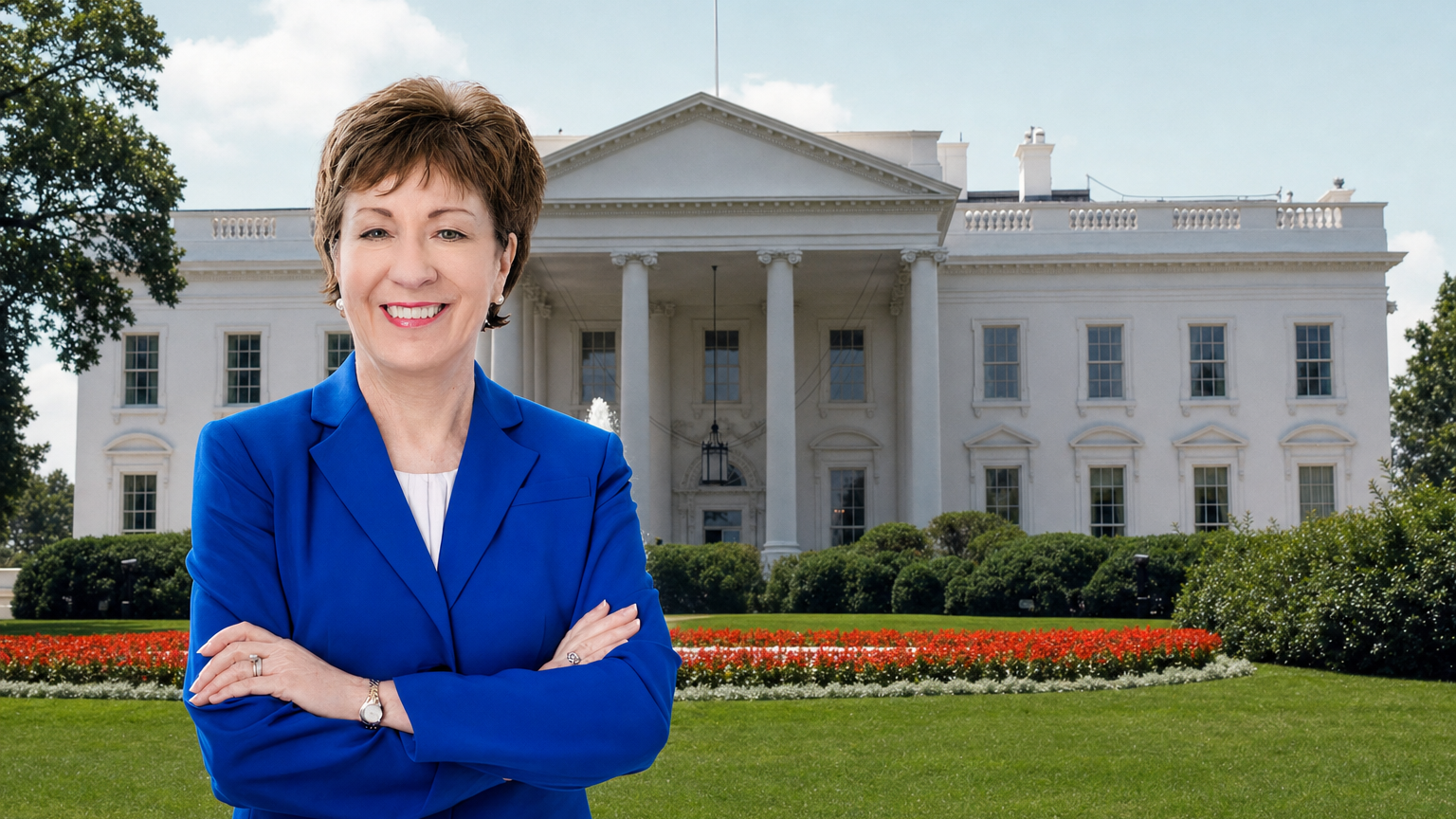
The Trump administration modified tariffs on Canadian imports by exempting nine categories of goods from 50 percent duties imposed earlier this year, the White House said in a proclamation released on October 23, 2026. The changes, effective October 30, come as Republicans seek to retain control of Congress in midterm elections scheduled for November 3 and follow direct appeals from Senator Susan Collins, whose Maine seat is among those in play. Collins first disclosed the exemptions, which target items critical to her state’s farming sector, according to a statement from her office and a concurrent White House fact sheet.
The exempted products include plywood sheets, corrugated paper cartons, plastic crates, refrigeration and freezing equipment, agricultural sorting machinery and both fresh and dried seaweed for human consumption, Collins’s office listed. Many Maine farmers and growers depend on these specialized Canadian supplies that lack ready American substitutes or would impose major added costs if replaced domestically, the senator said in a statement. The White House simultaneously placed 50 percent tariffs on a new set of Canadian items such as carpets, certain valves, waste products, paints, shampoos and cocoa powder to balance the overall trade measures.
Trade negotiations between Washington and Ottawa collapsed in August, prompting the original round of 50 percent levies on roughly 20 billion dollars worth of Canadian shipments, according to details shared across multiple administration announcements. That action represented about 5.5 percent of Canadian exports to the United States, where roughly 70 percent of Canada’s total exports are destined, a dependency highlighted in Canadian government trade summaries. Canada responded with matching countermeasures that Prime Minister Mark Carney described as essential to shield domestic workers, contributing to the country’s entry into a technical recession after two straight quarters of contraction.
Canadian officials reacted cautiously to the latest American adjustments. Trade Minister Dominic LeBlanc stated that Ottawa would assess the steps while remaining prepared to pursue constructive talks toward a balanced relationship that protects Canadian interests. The modifications arrive against a backdrop of ongoing friction that has disrupted integrated supply chains, particularly in agriculture, forestry and manufacturing sectors vital to border states like Maine.
Collins, locked in a tight contest with Democratic challenger Troy Jackson, credited herself with securing the relief for Maine industries that process blueberries, potatoes, apples and seaweed. She noted in her announcement that the targeted exemptions address genuine gaps in domestic sourcing for packaging and equipment. The timing, four days before voters head to the polls, has drawn attention from both parties as economic concerns rank high in preelection surveys.
The White House framed the selective easing as a way to reduce burdens on American commerce while advancing the public interest, according to language in the October 23 proclamation that amends an earlier executive action. This marks the latest recalibration in a series of tariff moves that began with metals duties and expanded after the summer breakdown in talks. Industry representatives on both sides of the border have tracked the shifts closely, warning that prolonged uncertainty could further strain cross-border business ties that total nearly 900 billion dollars annually in combined trade.