ع
ع


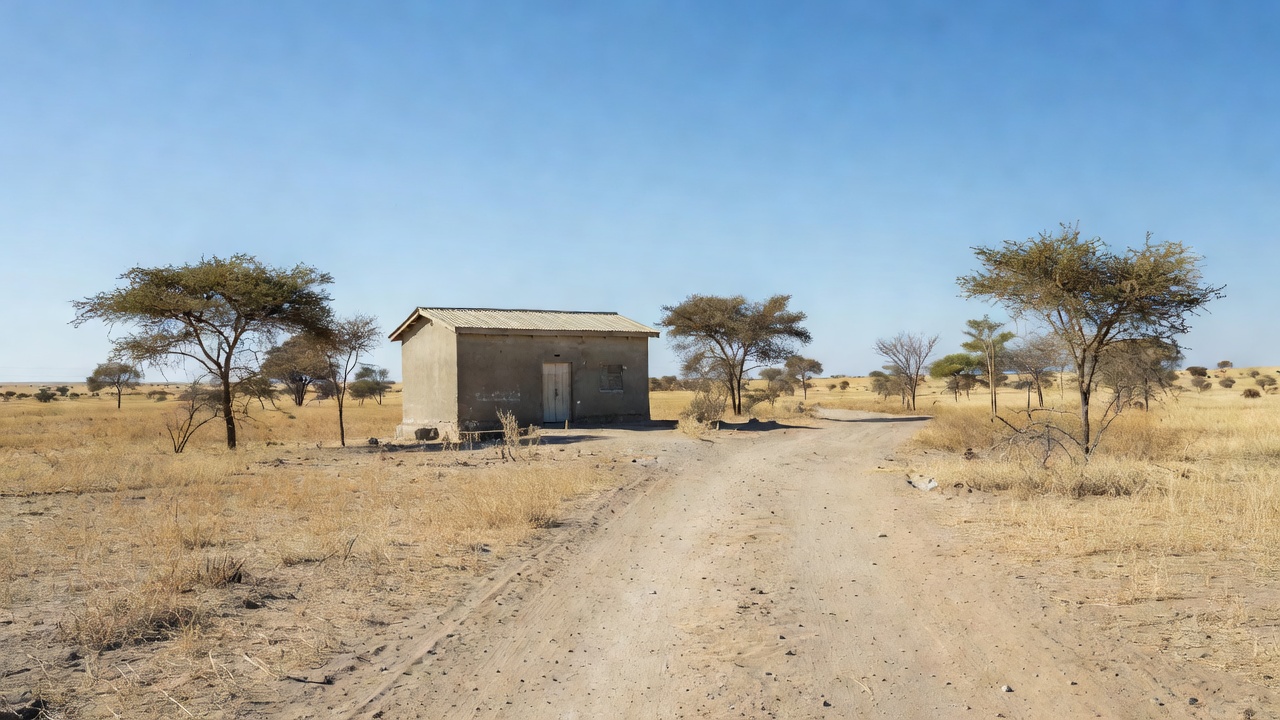
Médecins Sans Frontières said in a statement that aid cuts have forced mass closures of clinics throughout Sudan, leaving health centres without medicines or operational funds. The organisation noted that patients must now make long and hazardous trips for treatment, which has driven a 22.5 percent rise in admissions at its supported sites in Zalingei and Rokero in Central Darfur between January and April 2026 compared with the prior year. In May alone, 45 general healthcare centres in Central Darfur lost their support when the partner organisation ran out of funding, according to MSF data. Muhammad Ibrahim, MSF head of mission in Sudan, stated, “War is driving Sudan’s needs; funding cuts are shrinking the response.”[[1]](https://www.msf.org/aid-cuts-force-mass-clinic-closures-across-sudan)
A World Health Organization assessment found that 37 percent of Sudan’s health facilities are completely out of service while the United Nations humanitarian response plan for the country is only 41 percent funded. The UN reports that 19.5 million people faced crisis-level hunger earlier this year, a situation that has compounded health risks for families already struggling with displacement and disease. In 2026, 33.7 million people require humanitarian assistance overall with 21 million in need of health support, UN figures show. Multiple simultaneous outbreaks of cholera, malaria, measles and other illnesses have accelerated as surveillance systems have broken down.[[2]](https://www.who.int/news/item/14-04-2026-after-three-years-of-conflict–sudan-faces-a-deeper-health-crisis)
Attacks on healthcare have intensified the crisis, with WHO verifying more than 200 incidents since the conflict erupted in April 2023 that have caused over 1,800 deaths and hundreds of injuries. Insecurity Insight has identified 671 attacks on the health system since fighting began, resulting in at least 173 health workers killed and 83 arrested. MSF has documented 100 violent incidents aimed at its teams, facilities or supplies over the same period. These assaults have left many communities without access to even emergency care in regions including Darfur and Kordofan.[[3]](https://www.who.int/publications/m/item/public-health-situation-analysis—sudan-conflict-and-complex-emergency)
The civil war between the Sudanese Armed Forces and the Rapid Support Forces has displaced approximately 14 million people and killed at least 59,000 since it began, according to tallies cited in regional reporting. Over 4 million people are estimated to be acutely malnourished in 2026, heightening vulnerability to medical complications, a UN-backed analysis found. MSF teams treated more than 7,700 patients for violence-related injuries including gunshots in 2025 alone and carried out over 4,200 consultations for sexual violence. The charity continues to operate in 10 of Sudan’s 18 states, supporting hospitals and primary centres despite severe constraints.[[4]](https://www.aljazeera.com/news/2026/9/8/sudans-healthcare-system-on-brink-of-collapse-msf-warns)
Global humanitarian aid has fallen by 35.8 percent since last year, with the shutdown of USAID grants to Sudan in June and year-on-year reductions from European institutions playing a direct role in the clinic closures, MSF reported. The organisation has called on governments attending the UN General Assembly to protect funding for essential health services and to supply flexible financing for at-risk facilities. In addition to direct conflict effects, the health system had already been weakened by years of underinvestment before the current war, according to WHO reviews. MSF emphasised that without urgent action, further closures will cut off lifesaving care for millions more.[[1]](https://www.msf.org/aid-cuts-force-mass-clinic-closures-across-sudan)
WHO has supported Sudanese health workers with drugs, surgical supplies and fuel but acknowledges that resources remain stretched amid the scale of needs. The agency has worked to strengthen disease surveillance and vaccination campaigns even as insecurity limits access in many areas. Sudan accounted for 82 percent of all global deaths linked to attacks on healthcare in 2025, a WHO compilation showed. Local Sudanese medical staff have borne much of the burden, continuing to work in damaged facilities with minimal supplies.[[5]](https://www.who.int/news/item/09-01-2026-sudan-1000-days-of-war-deepen-the-world-s-worst-health-and-humanitarian-crisis)