ع
ع


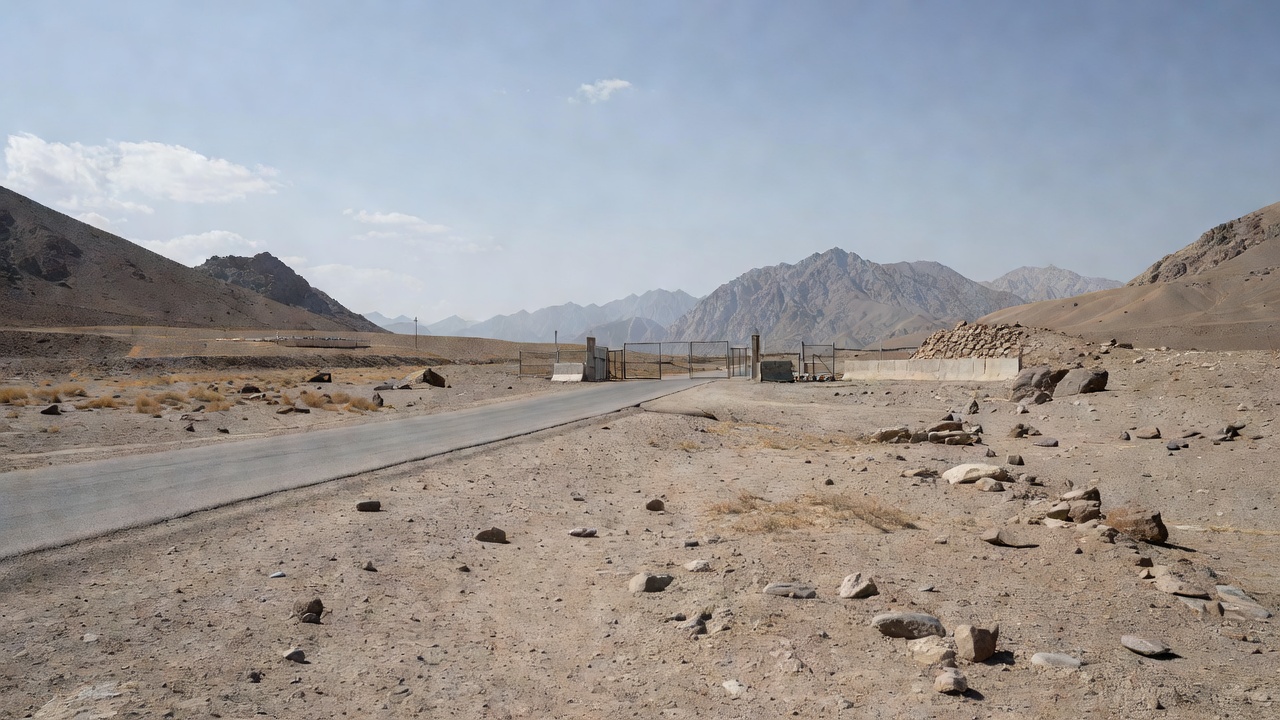
UNHCR data released in late August 2026 placed Afghan returns from Iran and Pakistan at more than 1.08 million so far this year, of which roughly 38 percent were deportations according to one regional update from the agency. This movement adds to a cumulative total exceeding 2.5 million since September 2023, contributing to the broader figure of six million people who have come back since the Taliban took control as detailed in a BBC report published on September 1. The United Nations High Commissioner for Refugees has described the scale as one of the largest cross-border return movements in recent history, placing significant pressure on Afghanistan’s limited infrastructure and services. A UN response plan issued in May 2026 called for 529.2 million dollars to deliver immediate border assistance and longer-term reintegration support across 35 priority districts.
A BBC investigation conducted at the Torkham border crossing captured the experiences of several families thrust into unfamiliar surroundings. Nazia, a 35-year-old born in Pakistan, told the BBC she had never visited Afghanistan prior to her deportation along with her extended family of eight sisters and their children. “I’ve never been to Afghanistan before and many people here don’t even have enough bread to eat,” Nazia told the BBC, highlighting the immediate difficulties of securing basic necessities in her new environment. The report noted that many returnees arrive with few possessions after facing harassment or detention in host countries.
Sarwar, who departed Afghanistan 45 years ago during the Soviet invasion, crossed back with seven brothers and their families after spending decades in Pakistan. “I left 45 years ago during the Soviet invasion of Afghanistan and most of my brothers were born in Pakistan,” Sarwar told the BBC. “We spent a long time there, so of course I felt heartbroken when they forced us out of our home,” he added, while also expressing relief at escaping police harassment. His sister-in-law Zarina, aged 40, voiced worries over their lack of shelter or income and the restrictions facing girls under Taliban policies. “We have no resources to start a business or earn a living, and we don’t even own a tent to live in,” Zarina told the BBC. “Look at them, they’re all girls. Of course I’m worried.”
A former Afghan security guard who was deported first from Iran and later from Pakistan said his family rarely ventures outside their home because of safety fears. “I don’t leave this house,” the man told the BBC, explaining that both he and his wife and children live in constant anxiety. “I have no trust in their amnesty because many of my colleagues have been killed,” he stated, referring to the Taliban announcement offering protection to former government affiliates. The BBC report indicated that such scepticism is common among those with past links to the pre-2021 administration.
Taliban foreign minister Amir Khan Muttaqi addressed the returns in comments reported by the BBC, stating that the influx would ultimately prove beneficial despite short-term strains. “There is pressure due to their return but in the long run, it will benefit them as well as Afghanistan,” Muttaqi said. He acknowledged the need for external support while characterising issues such as girls’ secondary education as internal Afghan matters to be resolved without outside interference. The foreign minister also questioned the effectiveness of nations that had not engaged with the Taliban over the past five years.
The United Nations Office for the Coordination of Humanitarian Affairs estimates that 21.9 million people, nearly half of Afghanistan’s population, will require assistance throughout 2026. UNICEF figures show that one million children face life-threatening malnutrition amid the added burden of mass returns and reduced international funding. A Baker Institute report published at the end of August 2026 noted that the country already contends with widespread poverty affecting nearly half the population, compounded by the economic shocks following the 2021 takeover and recurrent climate events. The combination has forced many households into debt or harmful coping mechanisms such as child labour.
Pakistan and Iran have cited security concerns, resource strains and domestic pressures as reasons for accelerating enforcement against undocumented Afghans, according to multiple UNHCR assessments covering 2025 and 2026. In Pakistan, enforcement under the Illegal Foreigners Repatriation Plan led to more than 70,200 arrests or detentions in 2026 alone, the agency reported, while Iran saw around 350,100 deportations representing 82 percent of returns from that country. The UN has repeatedly called for returns to be voluntary, safe and dignified, yet monitoring indicates that fear of arrest remains the primary driver for many departures from both nations.