
 ع
ع


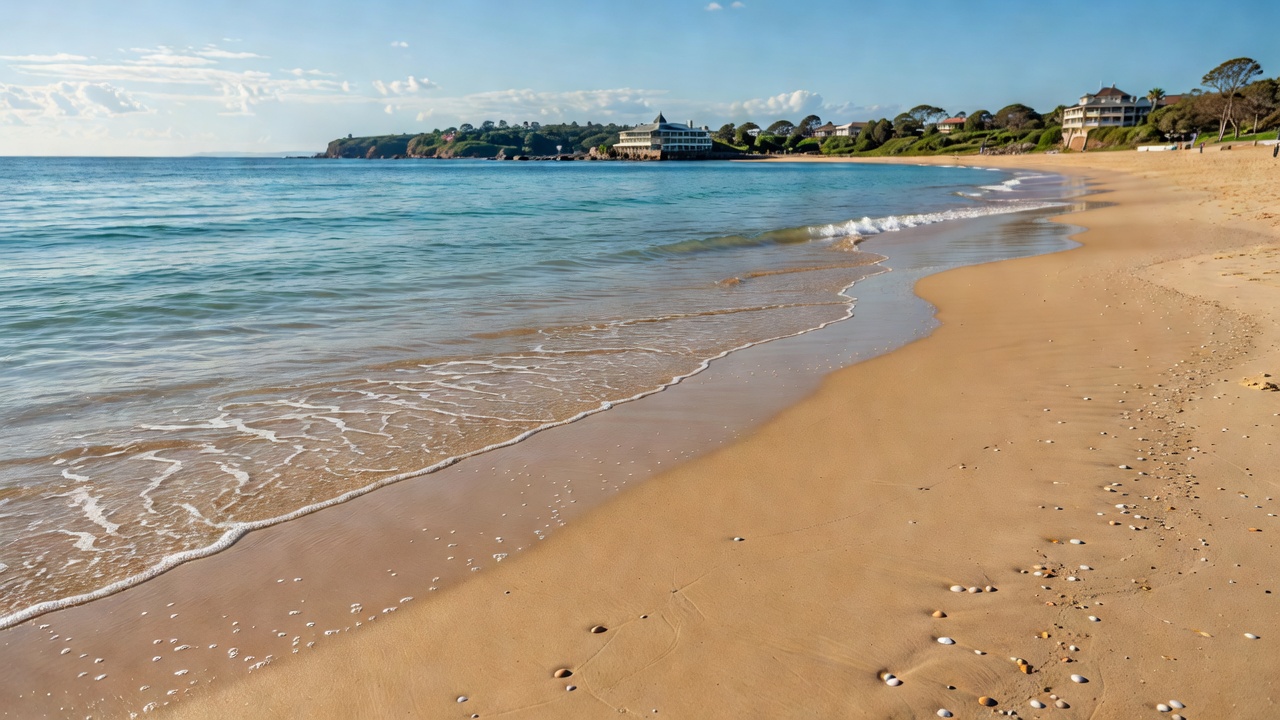
Leah Stewart was swimming between the flags close to shore at Coogee Beach on the morning of June 13 when a great white shark mauled her, inflicting multiple bites to her arms and legs, RNZ reported. Surf lifesaver and Iron Series competitor Charlie Verco paddled out and pulled the unconscious 35-year-old mother-of-one from the water before helping carry her to dry sand where first aid could be administered, according to 7NEWS. Stewart arrived at St Vincent’s Hospital in critical condition and was placed in an induced coma for a week while undergoing multiple surgeries that included amputation of one arm, AAP News stated.
A NSW shark emergency was declared in the wake of the incident, one of several attacks that have occurred across Australian waters this year, 7NEWS noted. Stewart’s family initially provided updates through an online fundraiser that ultimately collected more than AU$550,000 to support her recovery and future medical needs. The money has enabled her to continue treatment from home while exploring additional care options.
In her first public comments, shared via the fundraiser platform and reported this week by BBC News along with RNZ and AAP News, Stewart described the past months as incredibly difficult yet expressed gratitude for the support that has aided her progress. “After what has been an incredibly difficult few months, I’m so happy that I’ve progressed enough to build some independence, and I can finally see some light after all of this,” she wrote. Stewart added that the backing from family, friends and strangers had inspired her outlook.
“I want you to know that I feel like I’ve been given a second chance at life, and I’m not going to waste it,” Stewart stated in the post. She emphasised that her recovery has been remarkable thanks to what she called an “army of love, support, prayers and encouragement” from around the world. The fundraiser has now closed, with Stewart noting the funds will help her focus on healing and potentially giving back in the future.
The Coogee incident formed part of a wider pattern of shark-human interactions in Australia, where the Australian Institute of Health and Welfare data shows the country records the second-highest number of shark bites globally. Figures from the institute place the average at 22 bites per year between 2010 and 2022, with boarding, swimming and spearfishing the most common activities involved. Most incidents have occurred along the east and south-eastern coasts where populations are concentrated.
Research published in Scientific Data by a team including scientists from Flinders University detailed the Australian Shark-Incident Database, which has compiled 1,196 shark bites recorded over more than two centuries through 2022. The database, formerly known as the Australian Shark-Attack File, draws from victim and witness questionnaires, media accounts and state fisheries departments to track patterns across 22 suspected shark species. Separate analysis in Marine Pollution Bulletin by some of the same researchers found a two- to four-fold increase in bites since the 1980s, with the majority now involving surfers rather than swimmers.
Stewart said she has focused on regaining normalcy and doing everything possible to advance her rehabilitation, according to the statements carried by RNZ. She indicated the overwhelming community response had reinforced her determination not to become bitter about the ordeal. Medical updates from her family have described positive signs in her healing trajectory even as she faces a long road ahead.