ع
ع


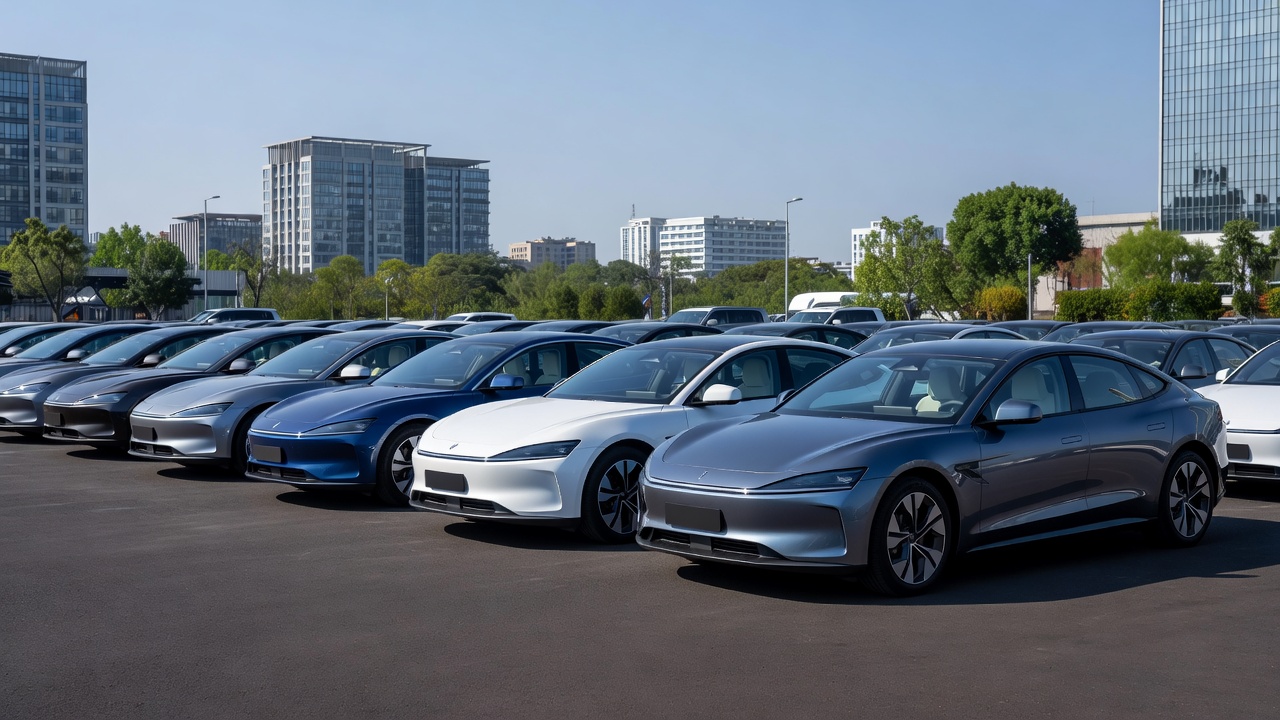
The recall covers Tesla Model 3, Model Y, Model S and Model X vehicles produced between 2018 and 2026, according to a filing with China’s State Administration for Market Regulation. It includes 973,156 domestically built Model 3 units and 1,956,713 China-made Model Ys along with smaller numbers of imported variants that together reach the 2.98 million total, regulator data shows. Tesla informed the agency that the mechanical emergency door-release handles may prove hard to identify or operate after a severe collision disables the low-voltage electrical system, a statement to the regulator indicated.
The remedy consists of affixing warning labels inside the vehicles at no charge to owners and rolling out an over-the-air software update that automatically lowers the windows following a collision, according to the State Administration for Market Regulation. These steps seek to improve visibility of the backup release and provide an alternative escape route when power fails, the regulator’s notice explained. The campaign begins on September 25 and will run for three years, during which owners can collect the stickers from Tesla service centers.
This Tesla action accounts for the largest share of a broader recall that encompasses roughly 4.3 million vehicles from nine manufacturers in total, Reuters reported. Xiaomi is recalling approximately 390,000 units, Leapmotor more than 371,000 and Xpeng around 264,000 while Geely, Chery, Dongfeng and others address the remaining volume, figures compiled by the market regulator show. Each company has filed plans that similarly centre on adding warning labels and, in most cases, updating window control software.
Chinese authorities first signalled tighter rules in February when they announced a ban on concealed door handles effective January 1, 2027, requiring prominent mechanical releases both inside and outside new vehicles, a Reuters dispatch noted. The prohibition follows several incidents in which occupants or rescuers struggled to open doors on burning electric vehicles whose electronic systems had lost power, according to industry accounts carried by multiple outlets. The State Administration for Market Regulation has stepped up oversight of the electric vehicle sector this year amid rapid market expansion.
Tesla, which helped popularise the flush-handle design now common across many electric models, did not respond to comment requests from Reuters, the BBC or WIRED. The company’s approach avoids physical alterations to existing door hardware and instead relies on the labels and software patch, Electrek reported after reviewing the regulator filings. Owners will receive direct notifications about the recall through the vehicle system or by mail.
The safety concerns have also prompted reviews outside China, with the U.S. National Highway Traffic Safety Administration considering a new formal standard for emergency door releases after examining a petition related to Tesla Model 3 vehicles, according to a Reuters explainer. Electronic handles have proliferated globally over the past decade especially among electric vehicles, yet regulators in the United States and Europe continue to assess whether current backup mechanisms suffice in all crash scenarios. China’s move positions it as the first country to impose a nationwide phase-out of the concealed design.