ع
ع


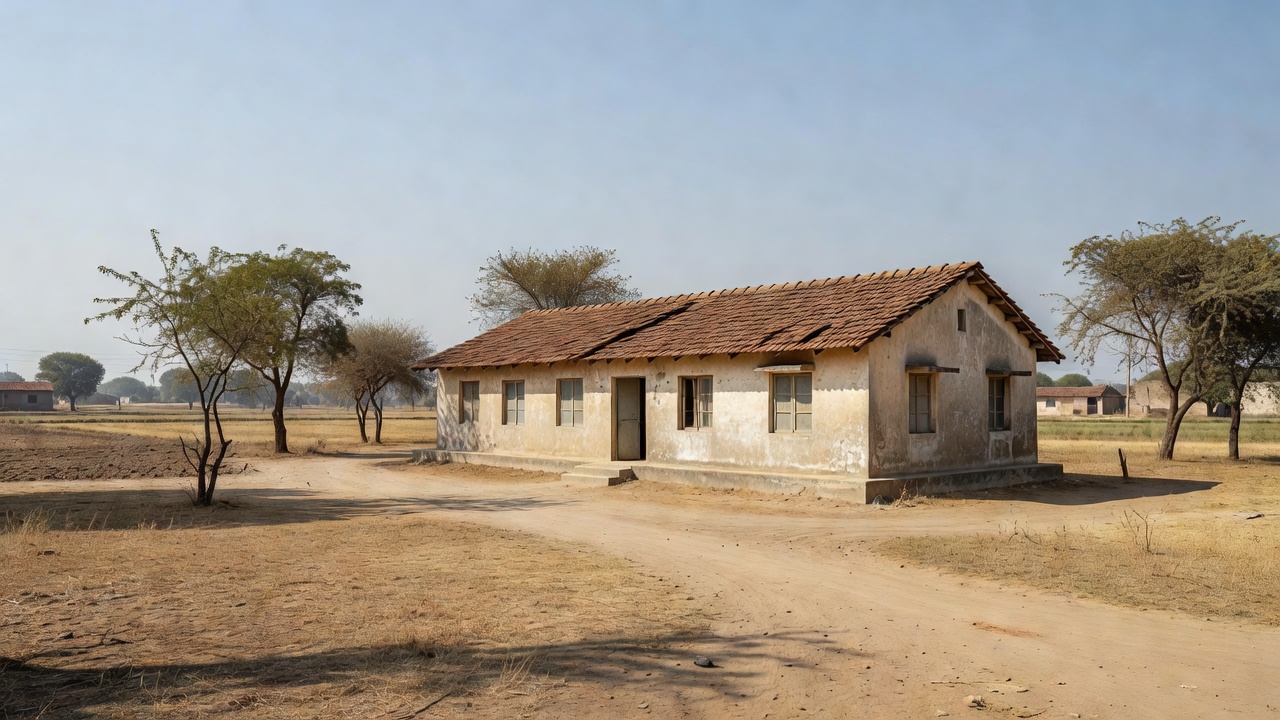
The Cockroach Janta Party’s #SchoolThikKaro campaign launched on Independence Day seeks to address long-standing neglect of government schools in rural areas by highlighting issues such as unusable toilets and leaking roofs that hinder learning. Founder Abhijeet Dipke who has visited more than 20 such schools described the conditions as heartbreaking and unchanged for decades with no benches bathrooms or drinking water in many places. Dipke told the BBC that improving facilities would give village children the same opportunities as those in cities preventing them from ending up as daily wage laborers. The movement which originated as online satire following a Supreme Court judge’s remark likening critics to cockroaches has amassed millions of followers on social media.
According to a BBC report a government primary school for girls in Khedi Kalan village near Delhi features plaster falling from ceilings four of eight toilets filled with trash and unusable and four of nine classrooms abandoned due to safety concerns. Local social worker Satpal Narwat who studied at the school in the late 1960s noted that flooding worsens during rains because the road level was raised years ago. Narwat has petitioned officials repeatedly without success and now sends his grandchildren to private school despite the cost. Similar complaints have surfaced in videos shared by students from Maharashtra and Uttar Pradesh.
The Ministry of Education’s UDISE+ 2025-26 report shows a decline of around 86 lakh students in government schools over recent years with private schools gaining enrolment as parents seek better facilities. NITI Aayog analysis indicates that 94 000 government schools were closed between 2014-15 and 2024-25 many through mergers while overall infrastructure coverage has improved but functionality remains an issue with only about 85 percent of toilets reported as usable. ASER 2024 data from Pratham reveals that while learning outcomes have recovered post-COVID in rural areas attendance stands at roughly 76 percent and foundational skills in reading and math lag behind targets.
India’s combined central and state government expenditure on education stands at approximately 4.6 percent of GDP falling short of the 6 percent target set by the National Education Policy 2020 a parliamentary panel observed in June 2026. The World Bank database confirms education spending has hovered below optimal levels for years limiting resources for maintenance and upgrades in the vast network of over 10 lakh government schools. This underinvestment contributes to the shift toward private education where enrolment share has risen to nearly 39 percent.
The campaign has sparked localised actions with a video of girls in Raigad Maharashtra complaining about their school road prompting repairs by authorities. In Uttar Pradesh students confronted a district magistrate demanding better access while others questioned officials on whether they would send their own children to such dilapidated institutions. Journalist Nilanjan Mukhopadhyay told the BBC that the movement is gaining ground as a long-lasting effort beyond the initial protests that led to Education Minister Dharmendra Pradhan’s resignation last month.
Teacher shortages compound the infrastructure problems as seen in one Haryana school with 910 pupils where only six of 40 teachers were available on a recent day because many were assigned to voter list revisions. Chatar Singh treasurer of the Primary Teachers’ Association in Haryana said educators are frequently diverted to non-teaching duties like elections and census work affecting education quality. Singh pointed out that children of politicians and bureaucrats attend private schools leaving government institutions to serve underprivileged communities.