

 ع
ع


In an essay published this month in The Nation magazine, Maryam Tahmasebi recounted how immigration agents detained her, her husband and their 16-year-old son in April after the State Department revoked their green cards over the husband’s family ties to the 1979 Iran hostage crisis. Tahmasebi, a professor of psychology and statistics at Los Angeles Pierce College, wrote that the family has endured separated detention in Texas facilities with limited communication and declining physical and mental health that may not be reversible for years. According to the essay, the government has opposed the family’s attempts at voluntary departure, leaving them in what she termed an unendurable, unending nightmare despite their clean records and prior lawful permanent resident status granted in 2016 after legal entry in 2014.
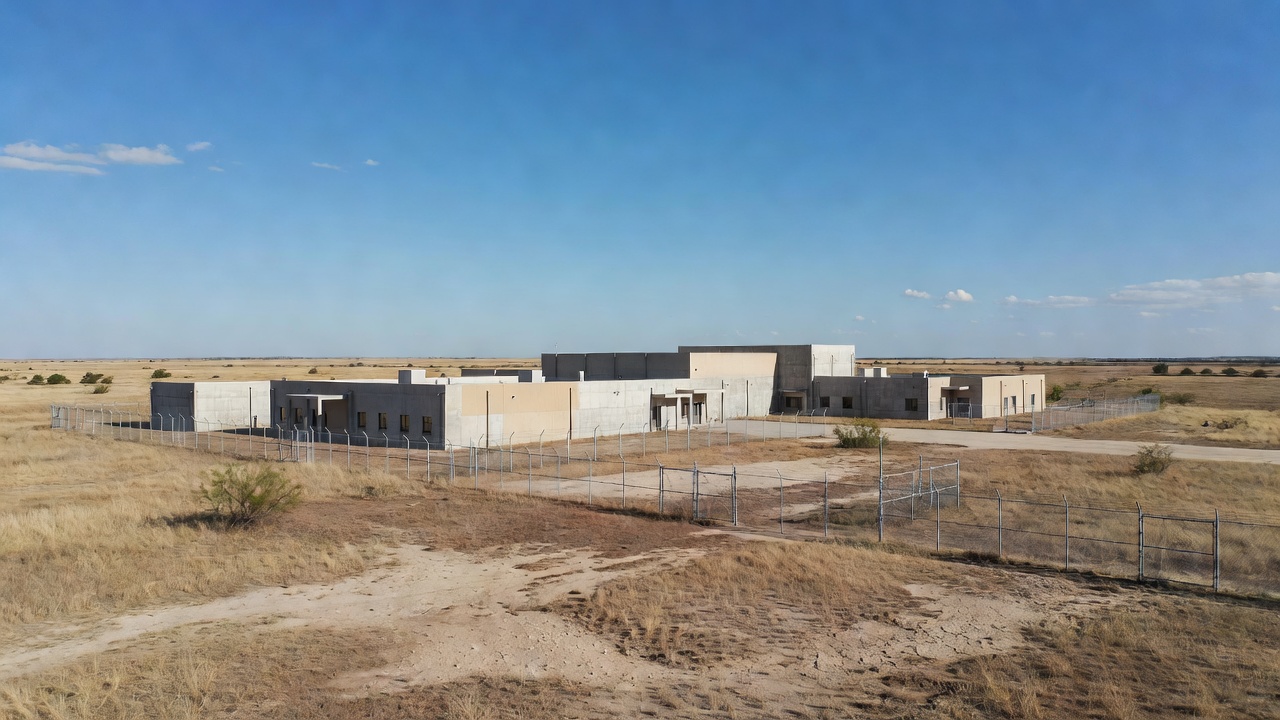
Tahmasebi and her son have remained at the Dilley Immigration Processing Center while her husband, Seyed Eissa Hashemi, who also worked as an educator, has been held at the South Texas Detention Facility in Pearsall under harsher conditions that allow the couple only 10 minutes of contact every two weeks. A federal judge issued a temporary block on their deportation following legal challenges by the family’s attorneys, yet the Department of Homeland Security declined their July request for voluntary departure according to records provided by the legal team. Tahmasebi emphasized in the published account that her son deserves a normal life rather than days spent inside the Dilley center, where no child should endure such confinement.
The revocation stems from Hashemi’s mother, Masoumeh Ebtekar, who according to US Department of State historical records served as the English-language spokesperson known as Sister Mary for the Iranian students who seized the US embassy in Tehran on November 4, 1979. Those students held 52 Americans hostage for 444 days until their release on January 20, 1981, an episode that US Department of State archives describe as a pivotal crisis that paralyzed the Carter administration and shaped decades of bilateral tensions. Ebtekar later held senior Iranian government positions including vice president for women and family affairs until 2021, though Tahmasebi stressed in her essay that her husband faced punishment for actions taken before he was born.
Tahmasebi wrote that she had sought to build a life defined by her own academic achievements rather than historical events from nearly 50 years earlier, yet the family’s existence in Los Angeles has now been upended without any presented evidence of personal wrongdoing. Her legal team told the BBC that the State Department has not charged the family under any national security provisions of immigration law nor offered supporting evidence despite multiple opportunities to do so. State Department spokesman Tommy Pigott stated that the agency does not divulge classified details on such terminations but retains the right to act against those deemed a threat to US national security interests.
Secretary of State Marco Rubio announced the revocation in early April as part of a series of enforcement actions targeting relatives of Iranian officials amid heightened US-Iran hostilities, according to a State Department media note released at the time. The note detailed parallel decisions to terminate status for individuals identified as the niece and grandniece of slain IRGC commander Qasem Soleimani as well as the daughter of former official Ali Larijani and her husband, moves that drew online petitions and activist campaigns against perceived regime affiliates living in the United States. An online petition from January had specifically called for Hashemi’s deportation over his mother’s role, after which conservative outlets reported from outside the family’s residence shortly before the April detentions.
US Department of State records from the period confirm the 1979 crisis followed the Islamic Revolution and the Shah’s entry into the United States for medical treatment, events that galvanized student militants who received endorsement from Ayatollah Khomeini. Tahmasebi’s account, submitted through her attorney after limited email access from detention, has amplified calls to examine the human impact of such status revocations on long-term US residents with no criminal records. The family continues to contest the measures while their health deteriorates under the ongoing separation and confinement.