

 ع
ع


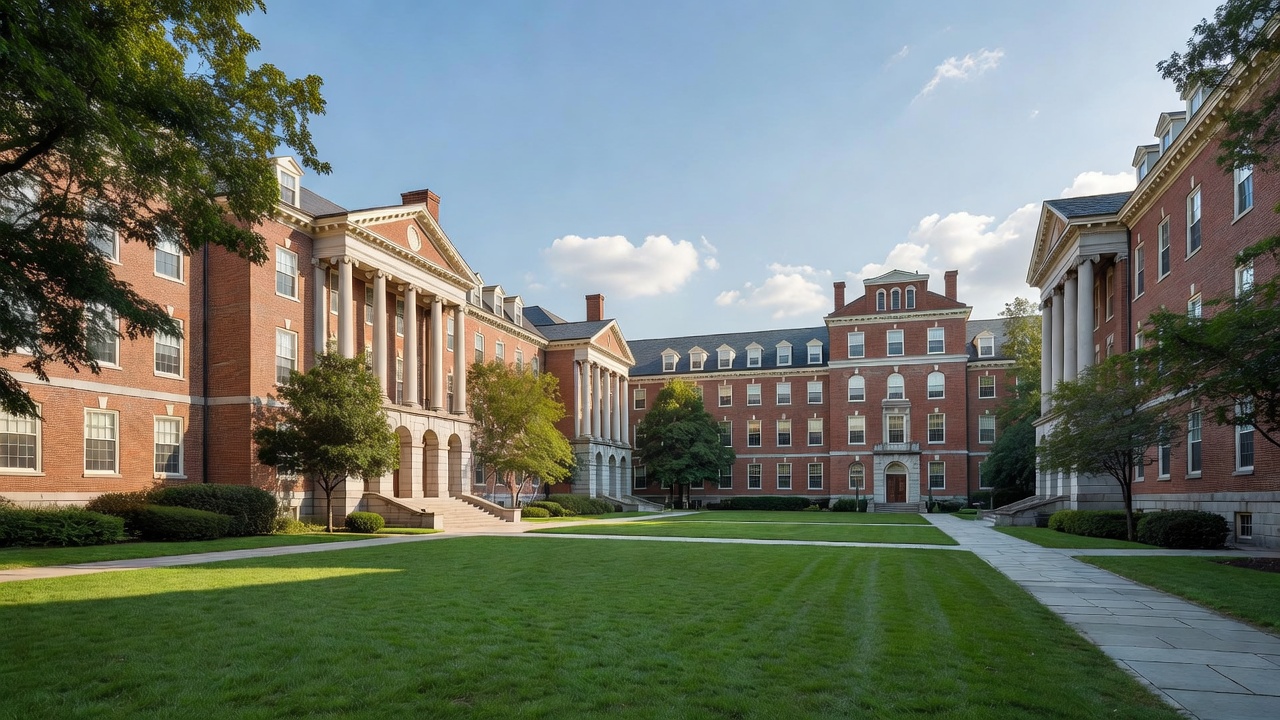
The proposed class-action agreement, filed in a Boston court, establishes funds to compensate relatives who accused the university of failing to supervise its Anatomical Gifts Program, according to a letter Harvard shared from its medical school deans. George Daley, dean of the faculty of medicine, and Bernard Chang, dean for medical education, signed the correspondence that described the misconduct as inconsistent with institutional standards. The letter noted that settlement approval by the court will allow distribution of the multimillion-dollar funds to affected families while the university moves to address lasting impacts from the events.
According to the US Department of Justice, Cedric Lodge removed organs, brains, skin, hands, faces, dissected heads and other portions from cadavers that had already served their purpose for Harvard Medical School research and teaching but before the remains could be returned to families or cremated under donation agreements. Lodge, who managed the morgue, then transported the parts from Boston to his home in New Hampshire where he and his wife Denise sold them to buyers in Pennsylvania and Massachusetts. The scheme formed part of a wider network that led to charges against six additional co-conspirators with no university affiliation, the department’s filings show.
Lodge pleaded guilty to interstate transport of stolen human remains and received an eight-year prison sentence on December 16, 2025, while his wife was sentenced to one year and a day for her role in shipping packages and receiving payments. The Department of Justice reported that Lodge began the activity in 2018 and continued at least into early 2020, exploiting his position after the bodies had been used by medical students for training procedures. Prosecutors had sought a longer term, but the court imposed 96 months following arguments from both sides that included Lodge’s acceptance of responsibility.
Civil lawsuits filed against Harvard in 2023 alleged the institution overlooked signs of misconduct for years until federal charges were brought, claims that a lower court initially dismissed under protections in the Uniform Anatomical Gift Act. Reuters reported that the Massachusetts Supreme Judicial Court overturned that decision in October 2025, ruling that the complaints plausibly stated a lack of good faith in oversight of the program and that Lodge’s actions could be described as horrific. The revival of the cases paved the way for Monday’s proposed $53 million resolution, which both sides asked the court to endorse.
Harvard’s letter stated that “Lodge’s criminal acts were morally reprehensible and inconsistent with the standards that Harvard University and HMS expect for the treatment of anatomical donors and their loved ones”. It added that beginning in the 2027-2028 academic year the medical school will create an annual financial-aid scholarship for students in appreciation and in honour of all anatomical donors. The correspondence concluded that while Lodge’s sentencing and the settlement help bring the legal chapter to a close, “the process of recovering from this painful incident continues”.
The episode has underscored the existence of a gray market in human remains that operates beyond regulated donation systems, a review by Courthouse News Service determined when the matter reached Massachusetts’ highest court. Harvard Medical School’s own Anatomical Gift Program page explains that it depends entirely on private self-donations to supply cadavers each year for medical, dental education and research, a need that the scandal temporarily disrupted. Families affected by the thefts have continued to seek fuller accountability through independent reviews of the program’s oversight that were commissioned after the events came to light in 2023, according to subsequent reporting by WBUR and other outlets.