ع
ع


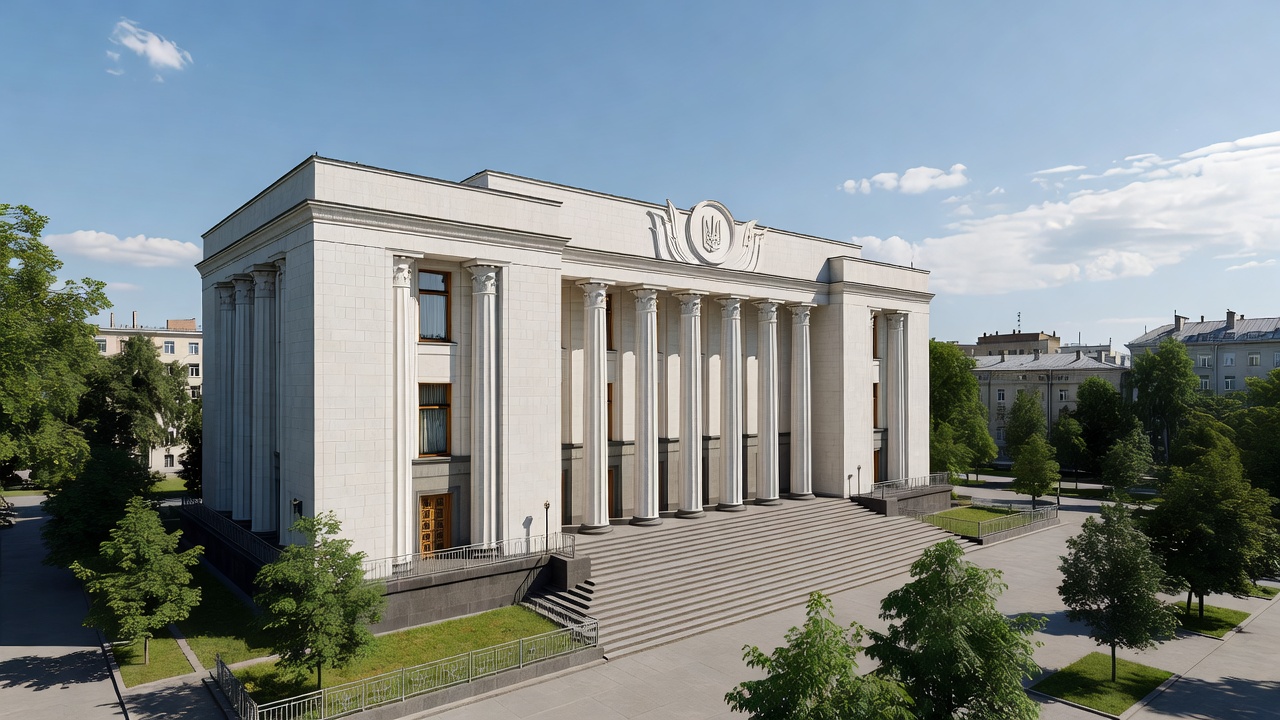
Former defence minister Mykhailo Fedorov posted a video on YouTube on Tuesday in which he urged the creation of a legal, safe and realistic mechanism to restore full democratic processes even during prolonged conflict. According to the BBC, Fedorov, 35, stated that democracy cannot be held hostage by Russia and that Ukraine is fighting to remain a free European state. The former minister avoided naming President Volodymyr Zelensky in the remarks while highlighting corruption as a factor undermining the war effort. A Euobserver analysis published last month described the recent government reshuffle that included Fedorov’s removal as potentially tied to preparations for an autumn presidential vote, although sources in the presidential office denied any such link.
Fedorov was dismissed from the defence post in late July, six months after taking the role, in a move widely linked to tensions with then-army commander-in-chief Oleksandr Syrskyi, who was replaced weeks later following public protests. The BBC reported that the sacking sparked demonstrations across the country and that Zelensky has yet to respond directly to the video appeal. Following the dismissal, Fedorov turned down other government offers, including a deputy prime minister position for military innovation, and stated he would only return as defence minister. Public Authority for Civil Information equivalents and local reporting placed the events against a backdrop in which Zelensky’s term, originally set to conclude in 2024, has been extended indefinitely under martial law rules imposed after the 2022 invasion.
A poll published by the Kyiv Independent on 7 August showed Zelensky receiving 33.8 percent support in a hypothetical second-round presidential matchup, trailing potential rivals including former army commander Valeriy Zaluzhnyi, now serving as ambassador to the United Kingdom. According to the Euobserver, Zaluzhnyi told Zelensky directly during a recent visit to Kyiv that he intends to run if elections proceed. The suspension of ballots under martial law, in force for more than four years, has prevented both presidential and parliamentary votes that would otherwise have occurred, with Ukrainian law requiring the lifting of martial law at least 90 days before any national poll. Central Election Commission precedents from the 2019 contests that brought Zelensky to power placed turnout above 60 percent in the runoff, figures that current security conditions would make difficult to replicate.
During his brief tenure Fedorov focused on data-driven improvements to frontline performance, anti-corruption measures within the ministry and expanded use of drones and high-technology systems. The BBC noted that he previously established the IT Army of Ukraine for cyber operations, ran the Army of Drones fundraising drive and introduced gamification elements that awarded units for striking Russian targets. In a Facebook post issued shortly after his removal, Fedorov listed these accomplishments and pledged to continue defeating the enemy through innovation and organisational strength. He had also pressed SpaceX chief Elon Musk to prevent Russian use of Starlink for drone strikes, a step credited with disrupting Moscow’s battlefield advances.
Zelensky responded to the earlier dismissal by naming Yevgeniy Khmara, a career intelligence officer with limited public profile, as acting defence minister. The BBC reported that the president offered Fedorov alternative posts in the administration, all of which the ex-minister declined unless they restored him to the defence portfolio. Separate reporting from Al Jazeera and CNN on prior 2023 defence changes that removed Oleksii Reznikov after similar corruption allegations illustrated a pattern of leadership turnover during the conflict, with each shift framed by the presidential office as the search for new approaches. Khmara’s appointment maintains continuity in procurement and innovation priorities that Fedorov had advanced.
Fedorov gave no explicit indication of personal political ambitions in the video, concentrating instead on the need to address what he termed a systemic crisis of governance and fear of change within state structures. According to the Financial Times coverage of the ousting, the defence portfolio change formed part of a broader July cabinet overhaul that also replaced the prime minister. Ukrainian parliamentary records show that martial law extensions have passed with near-unanimous support since the invasion began, yet opposition voices have grown louder as the war enters its fifth year without clear pathways to peacetime governance. The ex-minister’s call adds to existing debates over balancing national security with constitutional requirements for periodic elections.