ع
ع


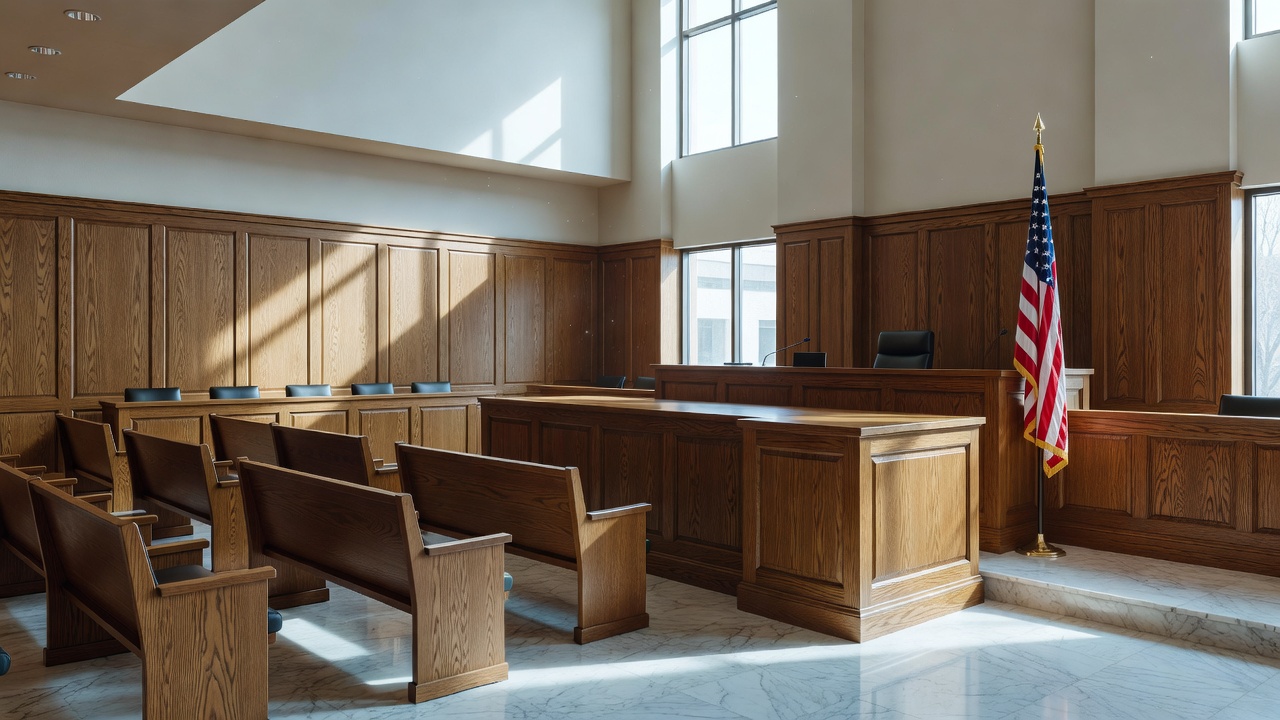
The murder trial of Duane “Keffe D” Davis for his alleged role in the 1996 killing of Tupac Shakur commenced with prosecutors asserting that the former Compton gang leader served as the on-site commander who obtained the murder weapon and ordered the drive-by attack. Chief Deputy District Attorney Binu Palal told the jury in Las Vegas that Davis acted in retaliation after his nephew Orlando Anderson was beaten by Shakur and Suge Knight at the MGM Grand following a Mike Tyson fight. “Let’s be clear, Duane Davis did not pull the trigger. But he did plan the shooting in retaliation of the beating of his nephew,” Palal said. The case had remained unsolved for nearly three decades until Davis’s arrest, according to multiple reports from news organizations covering the proceedings.
Ingrid Stokes, who was driving with friends near the shooting scene on September 7, 1996, provided one of the first accounts of the violence as she testified about following Shakur’s BMW. “We were head down, taking our seat belts off, when we heard the gunshots,” Stokes said. “All hell broke loose.” The group took cover as bullets flew, and they later approached police voluntarily to offer their observations, according to testimony detailed in court coverage.
A police officer who accompanied the critically wounded Shakur in the ambulance recounted how the rapper declined to identify his assailants, responding instead with “We’ll take care of it,” the BBC reported from the opening day. This reluctance reflected the broader lack of cooperation that stymied the initial investigation into the drive-by on the Las Vegas Strip. Davis had long been known to authorities, having given statements between 1998 and 2003 and later publishing a memoir in 2019 that prosecutors say admits his involvement.
Defense lawyer Michael Sanft countered that the state’s evidence consists of unreliable testimony from witnesses with criminal backgrounds and financial incentives, as he outlined during opening statements covered by The Guardian. He challenged the use of the memoir, calling it fictionalized, and questioned why it took 27 years for charges to be filed against his client. Sanft highlighted discrepancies in police reports and what he described as a flawed probe from the outset.
The shooting unfolded amid the intense East Coast-West Coast rap rivalry that defined much of the 1990s hip-hop scene, with Shakur representing the West Coast through his affiliation with Death Row Records. Six months after Shakur’s death on September 13, 1996, at age 25, The Notorious B.I.G. was killed in a similar drive-by in Los Angeles, according to historical accounts in Time magazine coverage of the trial. Prosecutors linked the incident directly to gang affiliations, with Davis leading the South Side Compton Crips.
The Clark County jury, composed of six men and 10 women with four alternates, will hear from additional witnesses including investigators and possibly celebrity figures over the next several weeks in a trial projected to run as long as six weeks, Reuters reported. Judge Carli Kierny is presiding over the case, in which Davis faces a potential life sentence if found guilty of murder with a deadly weapon to promote a criminal gang. Davis, now 63, has pleaded not guilty and sat in court wearing a suit as proceedings began.
Renewed interest in the case has highlighted lingering questions about the intersection of gang culture and the music industry during that turbulent period, an assessment shared in pre-trial analysis by Northeastern University researchers. Davis remains the sole individual charged in connection with Shakur’s murder despite years of speculation and public fascination. Further testimony is anticipated to delve deeper into the events of that fateful night.