
 ع
ع


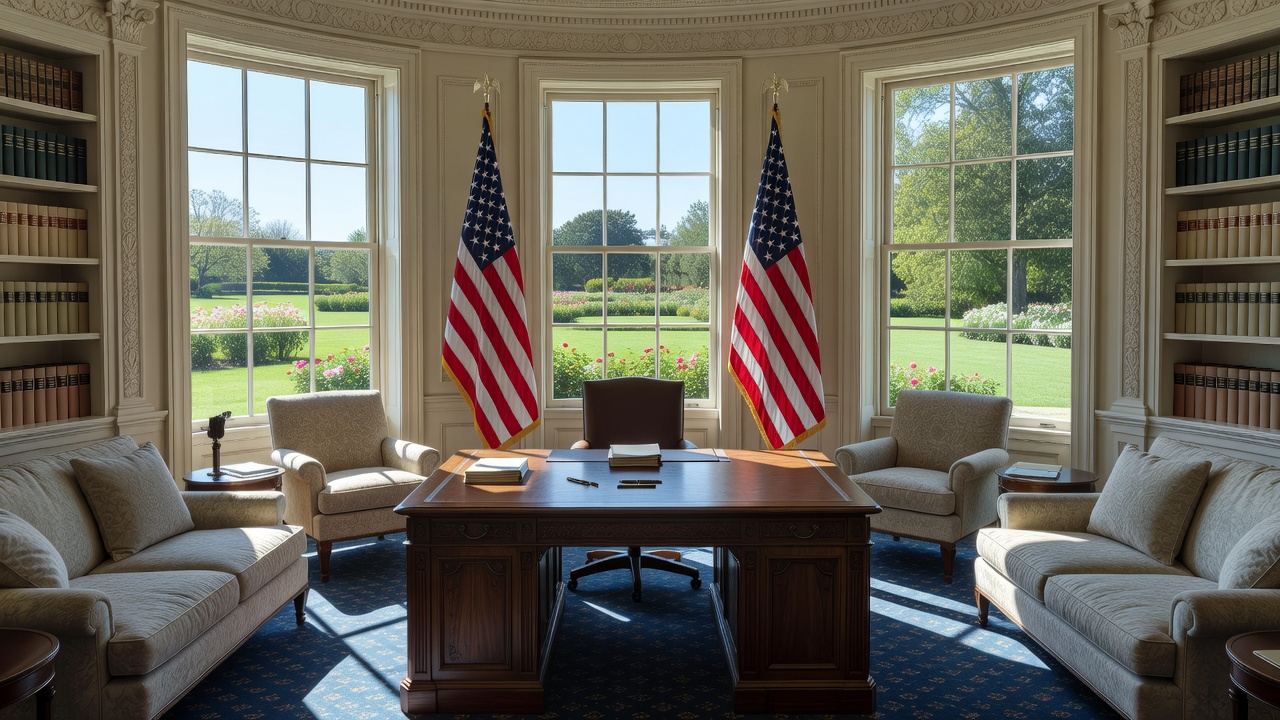
President Donald Trump signed two executive orders in the Oval Office on August 6, 2026, that seek to limit birthright citizenship by expanding the categories of non-citizen parents whose children would not qualify for automatic U.S. citizenship and by prohibiting entry for the purpose of so-called birth tourism. One order broadens exclusions to cover parents who are members of foreign terrorist groups, those who have attempted citizenship fraud and non-citizens residing in U.S. territories without federal citizenship provisions. The second directive bans pregnant individuals from entering the country if birth tourism is the intent, according to a Reuters report on the signing ceremony. Trump criticized a June 2026 Supreme Court ruling that invalidated his prior effort as a “bad decision” and claimed hundreds of thousands of babies have been born through the practice he described as making a “joke” of citizenship.
The latest measures represent a narrower approach than the January 2025 executive order, which sought to deny citizenship to children of undocumented immigrants and temporary visa holders and which the Supreme Court rejected in a 6-3 decision on June 30, 2026. That earlier order was blocked by lower courts and ultimately ruled inconsistent with the 14th Amendment’s Citizenship Clause by the high court, as detailed in the Supreme Court opinion in Trump v. Barbara. A Brennan Center for Justice statement issued after the ruling affirmed that the decision upheld the long-standing guarantee of citizenship for nearly everyone born on U.S. soil. Immigrant advocacy groups have signaled they will challenge the new orders as well, with the American Civil Liberties Union predicting in a Reuters interview that they are “doomed to fail in court.”
Pew Research Center figures from March 2026 show that about 9 percent of the 3.6 million babies born in the United States in 2023 had mothers who were unauthorized immigrants or held temporary legal status, equaling roughly 320,000 births. Of those, an estimated 260,000 would not have qualified for citizenship under the terms of the blocked 2025 order. The Migration Policy Institute has estimated that birth tourism accounts for between 22,000 and 26,000 births annually, although Centers for Disease Control and Prevention data placed births to mothers listing foreign addresses at about 9,600 in 2024, a minuscule share of total U.S. births that has remained steady over time. These statistics underscore the limited scale of the targeted practices relative to overall demographic trends.
University of California Davis law professor Gabriel Chin told the BBC that the new orders raise constitutional concerns and would amount to “a drop in the bucket” given the millions of annual births. Legal experts cited by Reuters said it remains unclear what practical effect the orders might have in light of the recent Supreme Court precedent, while advocates described them as an attempt to circumvent the high court’s decision. The Supreme Court opinion in the June case traced the universalist language of the 14th Amendment back to its ratification after the Civil War, rejecting narrower interpretations of who is “subject to the jurisdiction” of the United States. Pew Research Center analysis has also noted that full birthright citizenship on the U.S. model remains uncommon globally, existing in similar form in only about 32 other countries.
White House deputy chief of staff Stephen Miller, a longtime critic of expansive birthright citizenship, attended the signing and addressed the birth tourism prohibition directly. “That practice of birth tourism is, as of the signing of this order, hereby banned,” Miller said at the ceremony, according to multiple accounts including PBS NewsHour coverage. Miller also asserted that the president holds authority under the Immigration and Nationality Act to implement such entry exceptions. Trump, speaking during the event, added that “this should have happened years ago, but we’re taking care of it now,” framing the orders as a correction to long-standing policy he said harms the country.
The new directives arrive amid ongoing litigation and political debate over immigration enforcement, with the Supreme Court’s June ruling in Trump v. Barbara serving as the latest affirmation of constitutional protections first interpreted in the 1898 case United States v. Wong Kim Ark. That precedent established citizenship for children born in the United States to non-citizen parents who were not diplomats or invaders, a holding that lower courts applied uniformly against the 2025 order. Administration officials have signaled they expect further court tests of the narrower provisions, while supporters in Congress have echoed calls for legislative action to address what they view as loopholes. Data from the Migration Policy Institute indicate that even the higher estimates of birth tourism represent a fractional component of the broader pattern of births to foreign-born mothers, which are concentrated among a handful of nationalities including Mexico, China and India according to earlier Pew Research Center breakdowns.