ع
ع


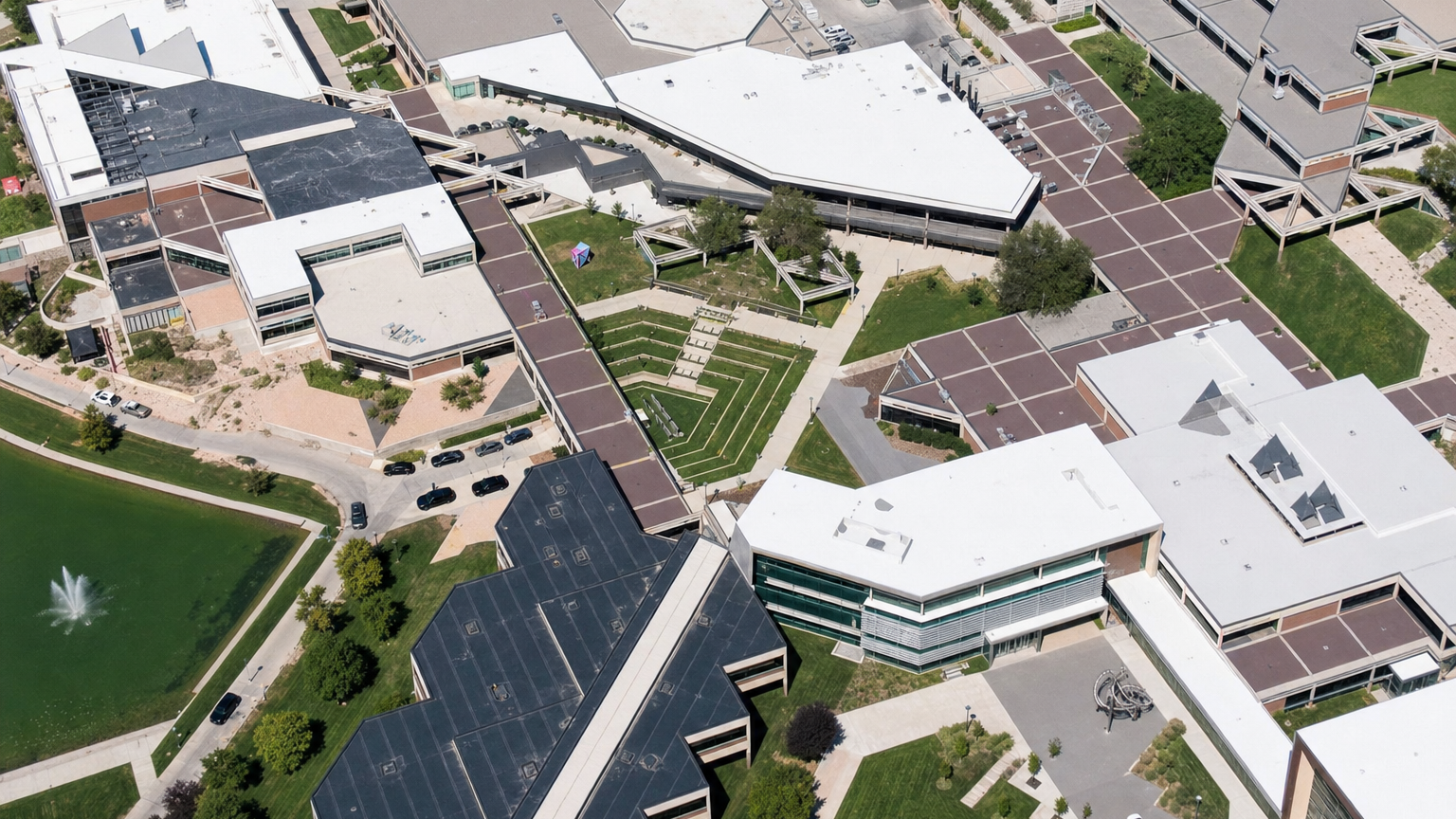
The after-action report commissioned by Utah Valley University and conducted by an external project team found that the institution maintained solid foundational policies for campus safety but applied them inconsistently in the lead-up to the high-profile Turning Point USA gathering. The September 10, 2025 event in the outdoor Fountain Courtyard featured a prominent speaker, expected protests and an open layout surrounded by buildings offering multiple elevated vantage points that required heightened protective measures. According to the review, no comprehensive security assessment or written event action plan was developed despite these risk factors, even as coordination took place with event organizers.
University staff raised concerns about the venue choice and crowd control during an August 2025 meeting with Turning Point USA representatives, yet key decisions on location, ticketing and access were deferred to the organization, the independent assessment stated. A proposed face-to-face briefing and security walk-through between campus police and the group’s detail on the day of the event did not occur, leaving gaps in shared understanding of responsibilities for line-of-sight monitoring and emergency response. The report, which examined thousands of documents and conducted more than 70 interviews, concluded that such omissions warranted attention as the university seeks to improve future event protocols.
Only six officers from the campus force of 13 sworn personnel were assigned to the gathering that drew about 3,000 attendees, a level the review described as insufficient for an event of that scale and profile. Security cameras on campus provided useful post-incident evidence but no dedicated monitor tracked feeds in real time for situational awareness, while options such as drone surveillance for rooftops were not deployed. The document recommended hiring additional officers, a dedicated events sergeant, video analytics to detect rooftop activity and clearer criteria for when events must shift indoors due to security concerns.
Emergency alerts proved problematic as well, with no immediate campus-wide notification activated by the incident commander and follow-up messages that were inconsistent and at times contradictory regarding secure-in-place instructions. The university should establish mutual aid agreements with local agencies such as Orem Police and enhance its threat investigation capabilities, according to the nearly 150 recommendations included in the 157-page report. UVU President Jon Anderson noted in a statement that the institution would focus on implementing changes to strengthen safety without allowing the tragedy to define the school’s future.
Attorney Brett Parkinson, representing Kirk’s family in a notice of claim preceding a potential wrongful death lawsuit, said the findings confirmed the family’s position on inadequate preparation. “This report reaffirms the facts we laid out in our Notice of Claim: that UVU security was woefully understaffed and unprepared to manage the obvious risks associated with an event of this nature,” Parkinson stated. The family had earlier pointed to a text exchange in which the campus police chief responded to rooftop access worries by saying “we got you covered,” alongside the absence of bag checks or metal detectors.
The review explicitly found that no university employee or agent acted in bad faith or with willful disregard for safety, a determination echoed across analyses by multiple news organizations. An Associated Press examination highlighted that the courtyard setup left Kirk exposed without standard safeguards now common at similar events nationwide, including coordination with external law enforcement for perimeter security. The report’s release has prompted ongoing discussions among lawmakers and university administrators about broader improvements to public safety at large campus gatherings.