
 ع
ع


President Donald Trump told reporters during a White House briefing that the US military maintains a plan to eliminate all Iranian bridges by midnight Tuesday and leave every power plant in the country inoperable if no deal materializes on the strategic waterway. “We have a plan, because of the power of our military, where every bridge in Iran will be decimated by 12 o’clock tomorrow night, where every power plant in Iran will be out of business, burning, exploding, and never to be used again,” Trump said, according to accounts from The Wall Street Journal and NPR. The president added that the action could unfold over four hours, while dismissing questions about potential war crimes by noting he does not want to strike such targets but may help rebuild Iran afterward if a settlement is reached. Iranian officials labeled the warnings reckless and rejected a proposed 45-day ceasefire, instead demanding a permanent end to hostilities with assurances against future US or Israeli actions.
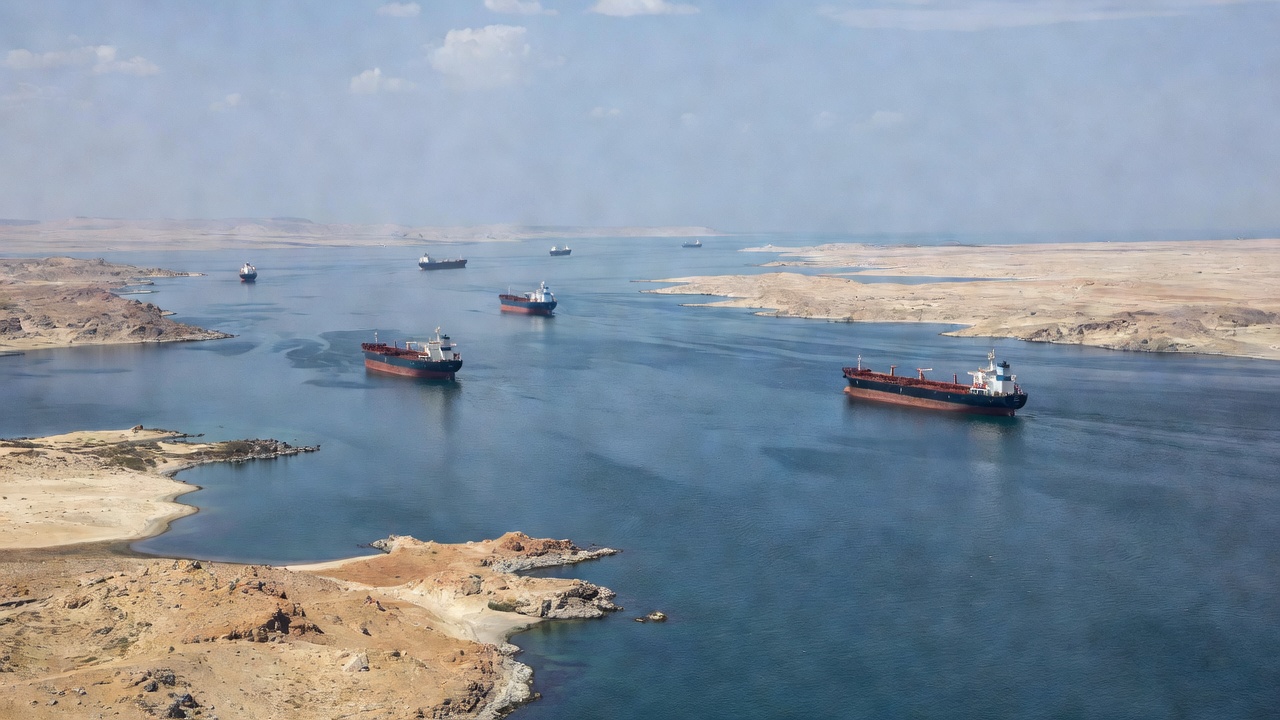
The demands center on reopening the Strait of Hormuz, where shipping data from recent days shows traffic has dropped to a two-month low following a series of strikes that began in late February. Iran effectively closed the passage, which previously carried around one-fifth of global liquefied natural gas and a quarter of the world’s oil trade, after US and Israeli operations targeted its capabilities. Brent crude prices surged in response, compounding economic pressures on energy-importing nations across Asia and Europe, according to shipping trackers cited in BBC reporting.
Trump later reversed a related proposal for a 20 percent reimbursement fee on all cargo moving through the strait, replacing it with anticipated trade and investment commitments from Gulf partners. “I have decided to replace the 20% United States Reimbursement Fee with Trade and Investment Deals that the various Gulf States will be making into the United States,” he wrote on Truth Social. Those arrangements would deliver massive benefits to all sides while ensuring continued American protection of the waterway, which he declared remains open to all traffic except Iranian vessels.
The latest threats build on a cycle of strikes that saw US forces conduct multiple nights of attacks aimed at limiting Iran’s capacity to target shipping lanes. Tehran responded by hitting two United Arab Emirates tankers and launching strikes against American military sites in Bahrain and Jordan. US Central Command confirmed a naval blockade of Iranian ports would take effect Tuesday afternoon Eastern Time as leverage to restore transit flows.
Israeli Prime Minister Benjamin Netanyahu weighed in separately with a public video message cautioning Tehran against any retaliation. “I will say it to the leaders of Iran: Do not count on things remaining quiet if you attack us,” Netanyahu stated, underscoring that any Iranian move would trigger far stronger Israeli action. The comments arrived as Trump held talks in Washington with Iraqi Prime Minister Ali al-Zaidi, during which the US leader explained dropping the fee concept after consultations with regional allies who described it as unfair given American security provisions.
Trump has asserted that Iran’s new supreme leader appears less radical than predecessors and may yet engage productively, even as he encouraged internal protests against the government once conditions allow. A KCRA dispatch on the briefing noted the president believes current Iranian representatives are negotiating in good faith despite public rejections of short-term truces. The developments have drawn international scrutiny over the legality and humanitarian impact of potential infrastructure targeting in a nation already strained by years of sanctions and conflict.