
 ع
ع


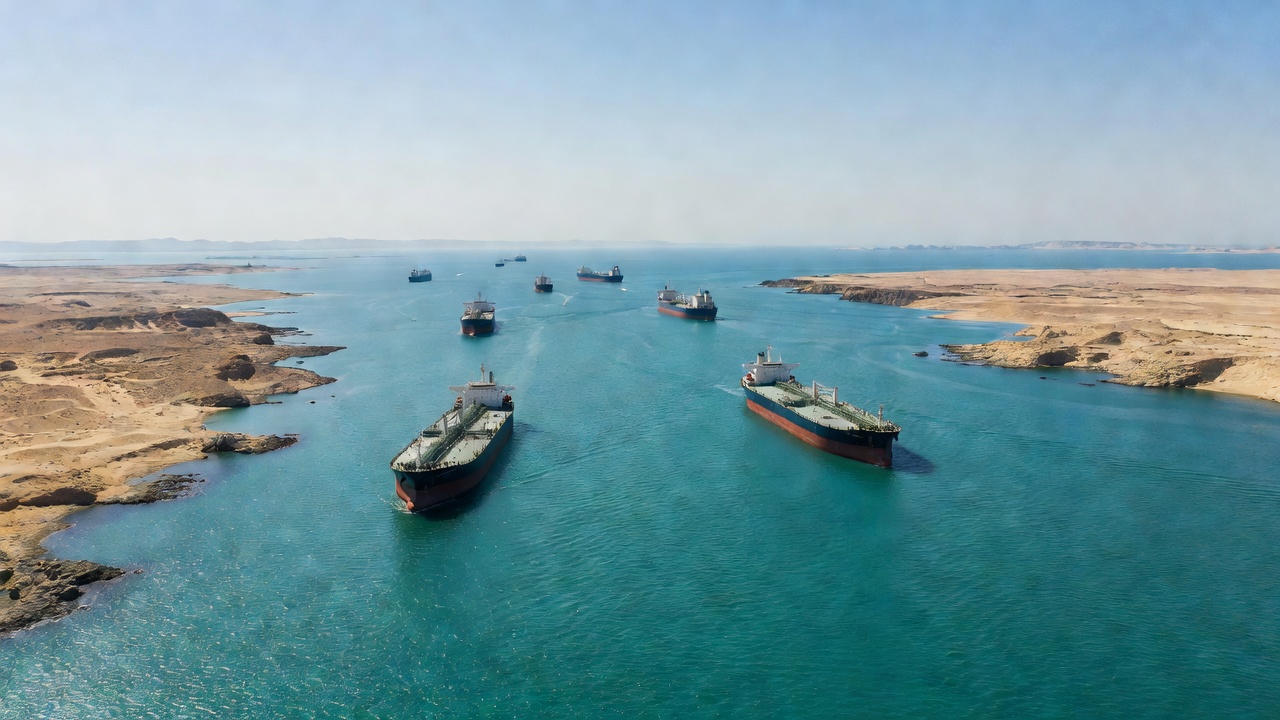
The reversal came after consultations with Gulf partners, according to a statement reported by the BBC on July 15 2026, with Trump substituting the fee for enhanced commercial ties while reiterating that the United States would keep the strategic waterway open to all traffic except Iranian vessels. The US Energy Information Administration assessment from earlier this year places daily oil transit through the Strait of Hormuz at roughly 21 million barrels, equivalent to about one fifth of global petroleum consumption, underscoring the potential for market disruption from any sustained tensions. Shipping activity in the area had already slowed to a two month low following renewed military actions, the BBC report added, with Brent crude prices climbing in response to the uncertainty.
Trump described the United States as the “guardian” of the Strait and stated that oil was “flowing like never before” thanks to American military presence, according to the same BBC article that detailed the policy shift. The announcement followed Iranian attacks on tankers from the United Arab Emirates and strikes targeting US facilities in Bahrain and Jordan, incidents that built on an initial round of US strikes carried out on February 28. Iraqi Prime Minister Ali al Zaidi met with Trump in Washington to discuss the situation, the report noted, though specific outcomes from those talks were not disclosed.
Israeli Prime Minister Benjamin Netanyahu issued a separate warning that any Iranian strike on Israel would trigger retaliation “much more powerful” than before, as covered in the BBC coverage on July 15 2026. Netanyahu added in remarks to reporters that adversaries should “not count on things remaining quiet if you attack us,” reflecting heightened regional alert levels after the latest exchanges. The US decision to resume the naval blockade at 16:00 ET on Tuesday, or 20:00 GMT, aligns with efforts to pressure Iran over its nuclear programme and regional proxies, according to statements attributed to administration officials in multiple wire service dispatches.
A Reuters compilation of maritime data from the first half of 2026 showed tanker traffic in the Gulf had declined 15 percent year on year amid fears of escalation, a trend that accelerated after the February strikes. The International Energy Agency’s latest monthly report placed global spare production capacity at its lowest level in three years, amplifying the impact of any potential closure or slowdown in the Strait, which also carries approximately one fifth of the world’s liquefied natural gas trade. These benchmarks, drawn from the agency’s June 2026 update, illustrate why even the threat of fees or blockades quickly translated into higher energy costs worldwide.
Trump told reporters he did not like the concept of a fee but argued it was unfair for the United States to protect the Strait for the entire world without compensation, the BBC article stated. The shift to trade and investment deals with Gulf countries came after direct appeals from those states, according to the same account, which framed the adjustment as a pragmatic response rather than a retreat. The policy change leaves the underlying military posture intact, with the impending blockade intended to prevent Iranian oil exports while allowing other nations continued access under US oversight.
The latest developments follow the collapse of indirect nuclear negotiations between Washington and Tehran earlier in the year, a sequence documented in successive State Department briefings that cited Iranian enrichment levels exceeding 60 percent purity as a core impasse. European Union foreign policy chief Kaja Kallas noted in a July 10 statement that the window for diplomatic revival was narrowing, urging both sides to return to talks before further escalation. Regional analysts monitoring the file through the International Crisis Group have tracked at least four distinct rounds of indirect contacts since January, none of which produced a breakthrough on verification or sanctions relief.