ع
ع


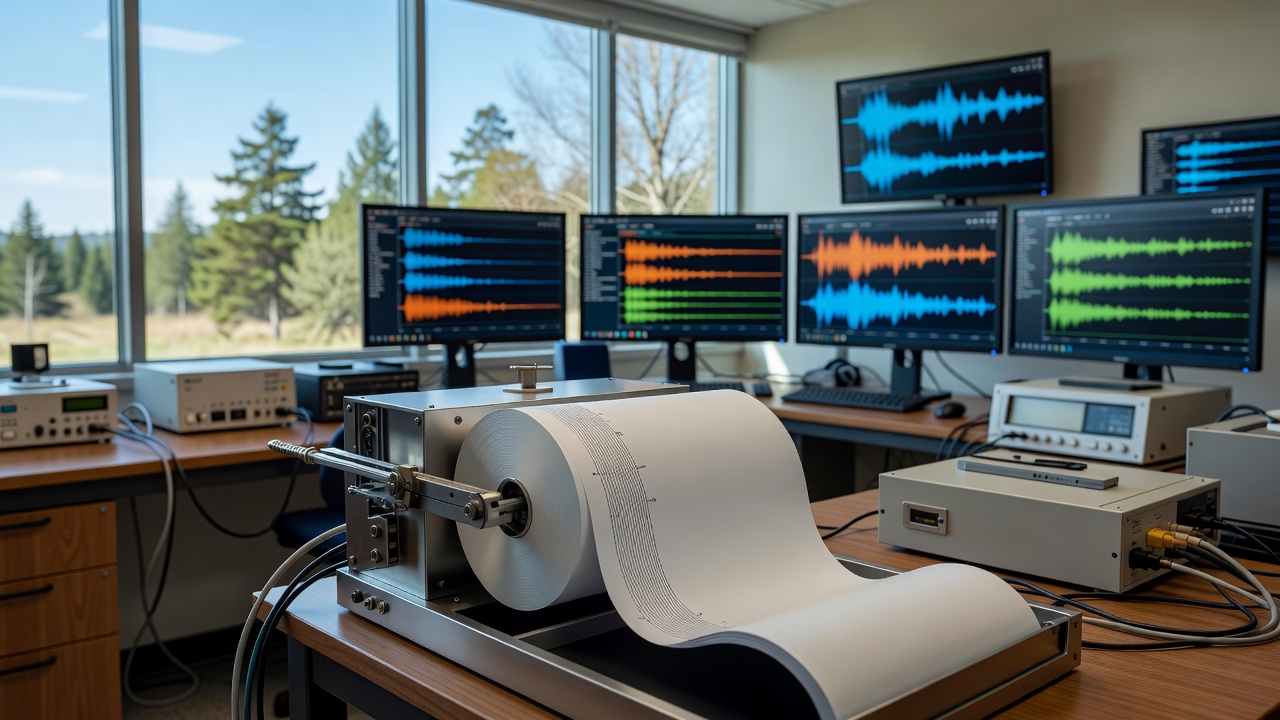
The family of Youlin Chen broke its silence this week to urge his release after Chinese authorities have held the 54-year-old Boston resident without trial for nearly two years, according to the James Foley Foundation and Global Reach. Chen, a naturalized US citizen originally from China, was arrested on November 5, 2024, at Beijing Capital International Airport by state security agents as he prepared to return home from visiting his parents. The James Foley Foundation, which advocates for wrongful detainees, said the case has become an irritant in US-China relations and highlights risks to American researchers collaborating with Chinese counterparts. Reuters reported that Chen’s work was funded by the US government and involved open collaboration with Chinese scientists, facts his wife has cited to challenge the charges.
Chen faces trial on espionage charges formally filed on May 1, 2025, though no court date has been scheduled, the Associated Press reported citing Global Reach. His wife, seismologist Yufang Rong, stated that the allegations are both wrong and inconsistent with the public and collaborative nature of the work that he has done. A 2020 study Chen published examined seismic data from across Asia, including areas near China, to improve nuclear test monitoring and yield estimates, work that focused primarily on North Korea’s sanctioned nuclear program. The timing of his detention has raised suspicions it relates to US intelligence assessments that China has conducted covert nuclear tests at its Lop Nur site, which Beijing has denied.
Conditions in detention have raised serious health concerns for Chen, who suffers from diabetes, high blood pressure and high cholesterol that require consistent medication and monitoring unavailable to him, the James Foley Foundation assessment found. He endured more than 100 interrogations and was denied access to a lawyer for the first 13 months, with family contact limited to none for over 600 days, according to Global Reach. The Foley Foundation said embassy visits have been permitted but discussions of his case prohibited, leaving his precise location and well-being uncertain. Advocacy groups have pressed for humanitarian release given his medical needs.
US Secretary of State Marco Rubio designated Chen as wrongfully detained in March 2026, a step that triggers additional government resources for resolution, the James Foley Foundation reported. Senator Edward Markey, a Democrat from Massachusetts, called for Chen’s immediate release, stating the detention undermines the US partnership with China and may deter academics from future exchanges. President Trump raised the matter directly with Xi during their May meeting in Beijing, yet no progress has followed, prompting the family’s public appeal ahead of Xi’s planned September visit to Washington, the Associated Press reported. Global Reach, which tracks such cases, lists Chen as the only current US citizen it classifies in this category from recent detentions.
China’s foreign ministry has maintained that its judicial authorities handle the case according to law and that there is no such thing as wrongful detention. Espionage convictions in China can carry penalties ranging to life imprisonment or even death, the ministry has noted in similar matters. The detention comes amid a pattern that includes the arrest of another US scholar, Min Zin, about a month before Chen on comparable spying accusations. US intelligence previously accused China of a covert nuclear test at Lop Nur in June 2020, a claim Beijing dismissed as unfounded.
Chen’s expertise in seismology for nuclear verification has drawn attention because it aligns with monitoring techniques that could reveal details about any undeclared testing activity, according to assessments by nonproliferation experts cited in Reuters coverage. His research contributed to broader international efforts under the Comprehensive Nuclear-Test-Ban Treaty, which China has signed but not ratified. The case has spotlighted how scientific cooperation between the US and China, once encouraged in fields like seismology, now carries heightened risks amid strategic rivalries over nuclear capabilities in East Asia. Advocacy groups continue to press both governments for a resolution that would allow Chen to return to his family in Boston.