ع
ع


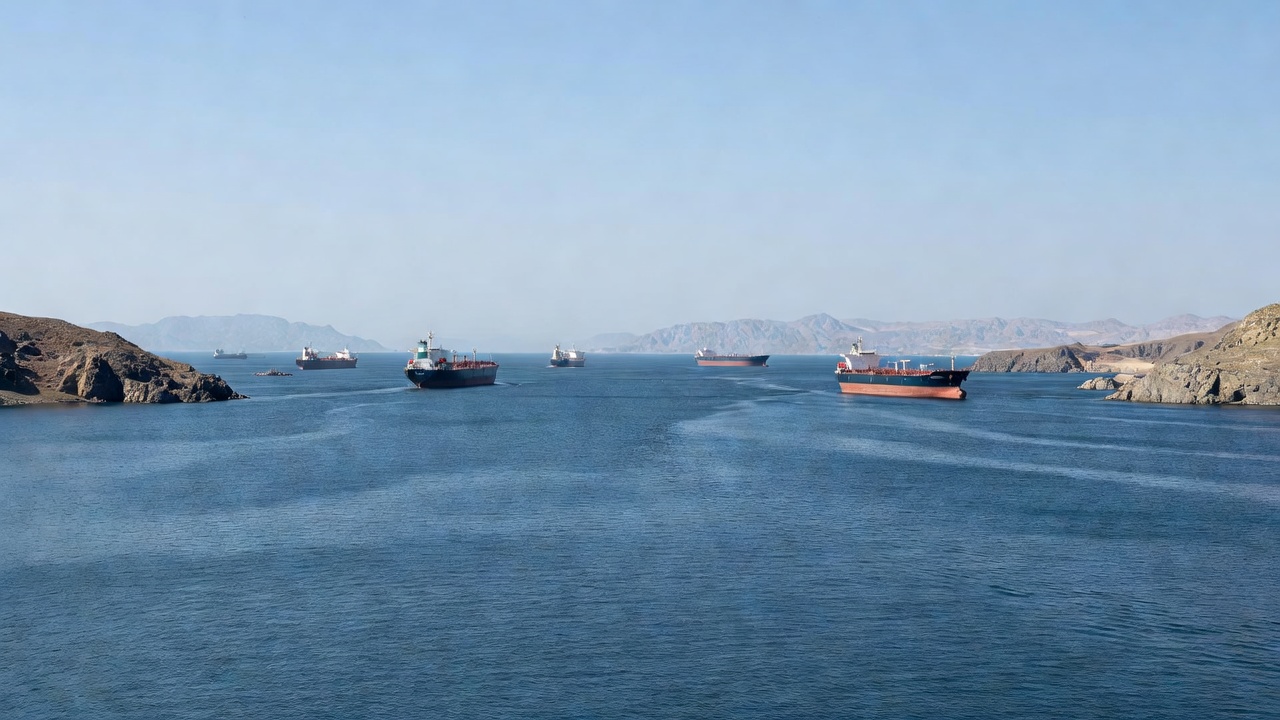
US Central Command reported that American forces struck approximately 90 Iranian military targets on July 8, 2026, in a second consecutive night of operations aimed at degrading Iran’s ability to threaten commercial shipping in the Strait of Hormuz. The strikes focused on air defense systems, drone and missile storage facilities, coastal radar sites and logistics infrastructure, according to the military command. Iranian state media described multiple explosions in port cities including Bandar Abbas, Sirik, Jask, Chabahar and Bushehr, where power outages occurred and a fire broke out at an Islamic Revolutionary Guard Corps barracks.
President Donald Trump had signaled further action the previous day, writing on Truth Social that the strikes served as retribution for Iranian attacks on ships. “This is in retribution for yesterday’s bombing of ships by Iran. If it happens again, it will get much worse!” Trump stated. Speaking aboard Air Force One, he added that Iran had called to make a deal but questioned whether officials there were worthy of negotiations, describing them as scum.
Iranian officials responded sharply on X. Parliament Speaker Mohammad Bagher Ghalibaf wrote that America has not learned that bullying does not come without a cost while the Strait of Hormuz opens under Iranian arrangements. Foreign Minister Abbas Araghchi stated that one does not answer vulgarity with vulgarity but with action. Tehran also launched retaliatory strikes toward US-linked sites, triggering explosions reported in Bahrain and missile interceptions over Kuwait and Qatar, an AP News dispatch said.
The escalation follows an interim agreement signed on June 17, 2026, that established a 60-day cease-fire and roadmap for broader talks, according to the text of the Islamabad Memorandum of Understanding briefed to journalists and reported by CNN. The 14-point document called for permanent termination of military operations, safe passage for commercial vessels through the Strait of Hormuz without charge during the initial period, and working groups on sanctions relief and Iran’s nuclear program. Trump declared the accord over after Iranian projectiles hit three merchant vessels near Oman, Reuters reported.
The Strait of Hormuz carries significant volumes of global energy supplies, with US Energy Information Administration data showing an average of 20.9 million barrels per day transiting the waterway in the first half of 2025, equivalent to one quarter of all seaborne oil trade. A UNCTAD assessment found the chokepoint also handles substantial shares of liquefied natural gas and fertilizer shipments, amplifying risks from any sustained disruption. Previous US strikes on June 26 and 27 targeted similar coastal assets after initial vessel attacks, Centcom statements indicated.
Iranian state television reported partial restoration of power lines in Chabahar after the latest blasts while air defense systems activated in Bandar Abbas. The US military described the operation as completed within hours and focused solely on maritime threats rather than broader regime targets. Regional tension has mounted since the June memorandum, with both sides accusing the other of violations that have repeatedly tested the fragile truce.