ع
ع


The Disaster Management and Mitigation Unit placed Muchinga province on alert September 10 after suspected anthrax killed about 40 animals and affected 11 people in the districts of Mpika, Lavushimanda and Shiwang’andu. Mathews Musukwa, senior communications officer for the unit, said assessments were under way through provincial and district structures to determine the full extent and protect livelihoods. A National Disaster Technical Committee meeting held two days earlier reviewed initial reports and recommended immediate containment steps, Musukwa added in a statement to local media.
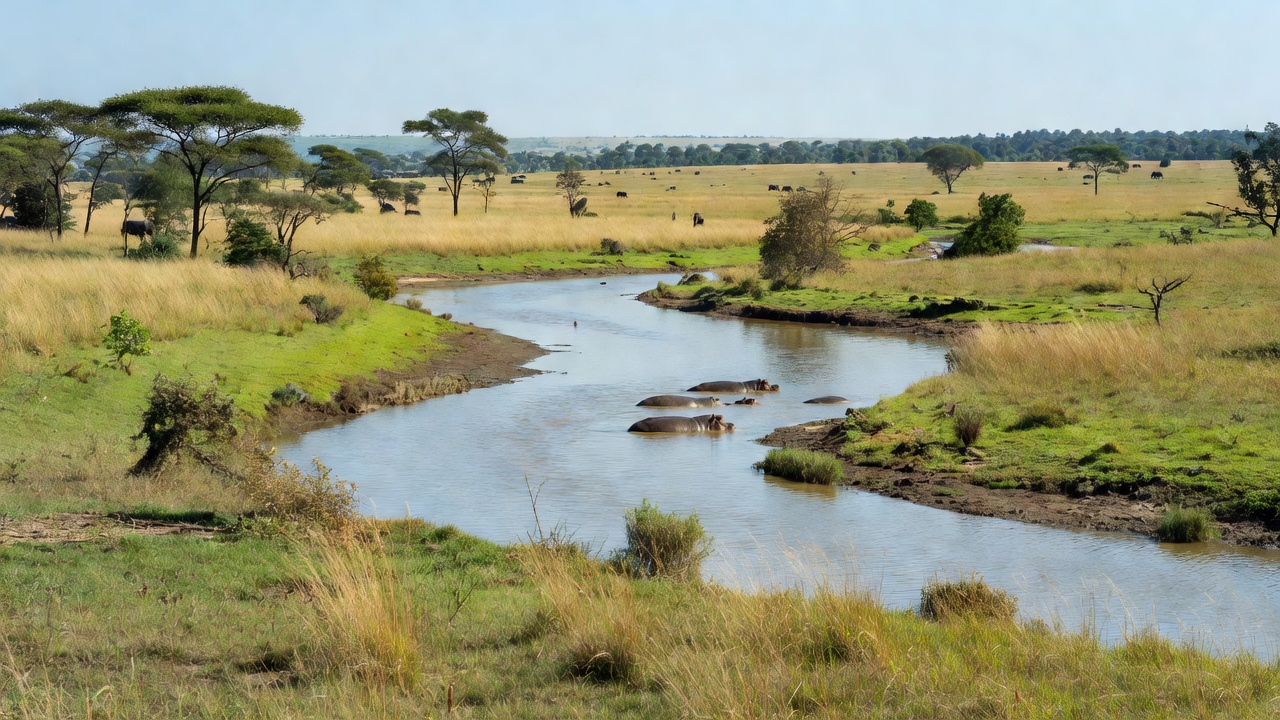
Later updates obtained by Anadolu Agency from the same unit raised the wildlife death toll to 46 hippos, eight elephants, five buffalo and one crocodile while confirming 12 people had contracted the disease after eating infected meat. Norman Chipakupaku, national coordinator of the Disaster Management and Mitigation Unit, called for a temporary suspension of hunting around the Munyamadzi Game Reserve and Trishuli River. The government has reinforced wildlife checkpoints to stop carcass removal and has urged residents to report any unexplained animal deaths immediately so authorised teams can respond, Chipakupaku stated.
Zambia’s Ministry of Information and Media issued an urgent public health alert reminding people in the Luangwa ecosystem that anthrax cases rise during hot weather and that any dead hippo must be left untouched. The alert instructed communities to notify the Department of National Parks and Wildlife before any contact occurs so the carcass can be treated with lime under supervision to neutralise spores. Similar guidance was given in past outbreaks when residents had distributed meat before veterinary officers could test samples, according to ministry records.
This latest event fits a pattern of recurring anthrax incidents in Zambia, which a 2017 review in the Health Press Zambia Bulletin described as endemic with major outbreaks recorded between 1990 and 2011. A ReliefWeb final report on the 2023 outbreak documented 892 human cases and four deaths across nine provinces, many traced to butchering or consuming meat from infected livestock and wildlife carcasses. The International Federation of Red Cross noted that dry conditions and food insecurity had amplified risks that year, leading to the largest outbreak in more than a decade according to World Health Organization figures.
An earlier 2011 outbreak linked to hippopotamuses along the South Luangwa River produced 521 suspected human cases and five deaths, a Centers for Disease Control and Prevention summary found, with people who skinned or carried the meat facing nine times higher odds of infection. A 2025 abstract on a Lumezi district response published in the Journal of Interventional Epidemiology and Public Health reported that detection delays prevented the 7-1-7 benchmark from being met and called for better integration of wildlife and veterinary teams. Only 28 percent of surveyed residents in a later Mosi-oa-Tunya investigation practiced safe carcass disposal, the same journal noted.
Health officials have reminded the public that anthrax, caused by Bacillus anthracis bacteria, is treatable with antibiotics if identified early, according to guidance issued by the Disaster Management and Mitigation Unit. The current infected individuals are all receiving medical care and are reported stable, unit statements said. Assessments continue in the affected districts to evaluate environmental contamination and to determine whether further livestock vaccination is required in nearby communities.