ع
ع


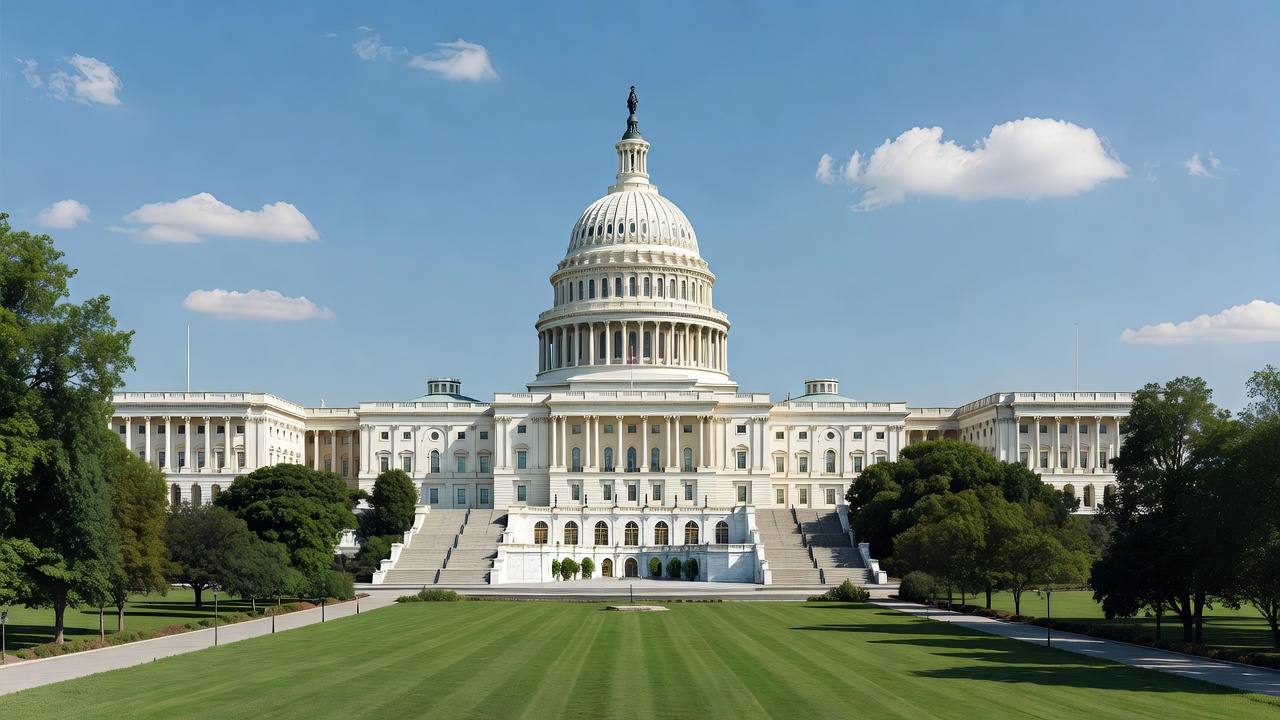
Videos obtained by the BBC show Omar al-Bayoumi embracing Anwar al-Awlaki, who later became a leader of al-Qaeda in the Arabian Peninsula, and paintballing with him years before the attacks. In one clip from 1999, al-Bayoumi films the U.S. Capitol while discussing a “plan,” according to the BBC report released on September 7, 2026. The footage, recovered from al-Bayoumi’s home in Birmingham, England, shortly after the attacks, also includes a notebook sketch of an airplane with mathematical calculations related to its descent, the broadcaster said. Lawyers for 9/11 victims’ families have introduced the material in their long-running lawsuit against Saudi Arabia, which contends the kingdom was complicit and that al-Bayoumi aided Nawaf al-Hazmi and Khalid al-Mihdhar upon their arrival in Los Angeles in January 2000.
The BBC report stated that the videos undermine al-Bayoumi’s repeated denials that he was an extremist or a Saudi intelligence operative. Al-Bayoumi, who claimed to be a student in the United States, had extensive contacts with Saudi government officials, the footage and related documents indicate. Neither al-Bayoumi nor the Saudi government responded to the BBC’s requests for comment, while the FBI declined to comment on the latest disclosures. A ProPublica investigation published in 2024 found that new evidence suggests at least two Saudi officials may have deliberately assisted the hijackers, raising further questions about whether the FBI and CIA downplayed the kingdom’s possible ties.
FBI documents declassified in recent years concluded that al-Bayoumi was a co-optee of Saudi intelligence who received a monthly stipend from the General Intelligence Presidency via then-Ambassador Prince Bandar bin Sultan, according to a 2017 bureau assessment reported by ProPublica. The documents place al-Bayoumi’s assistance to the two hijackers, including helping them find housing, open a bank account and connect with other Saudis in San Diego, in the context of a coordinated support operation rather than chance encounters. A separate New York Times examination in 2020 detailed how a small FBI team pursued leads on Saudi involvement despite resistance from senior officials who maintained there was no solid proof of government complicity.
British police arrested al-Bayoumi days after the September 11 attacks at the FBI’s request but released him without access to critical evidence, including the airplane diagram that had been couriered to the station where he was held, the BBC reported. The Sunday Times revealed on September 6, 2025, that Scotland Yard interrogators never received the notebook or video linking him to the plot, despite multiple FBI agents having copies. The material was also withheld from some FBI investigators working on Operation Encore, the internal probe into Saudi links, and from the 9/11 Commission, according to accounts from agents and commission staff cited in multiple reports.
A 2012 FBI memo, later declassified, identified al-Bayoumi alongside Saudi diplomat Fahad al-Thumairy and another official as subjects of scrutiny for potentially tasking support for the hijackers, an Associated Press dispatch from 2021 noted. The bureau ultimately closed that aspect of the investigation without charges, citing insufficient evidence that any Saudi officials had advance knowledge of the attacks, the AP reported. Yet declassified files from 2021 and 2022 affirmed that al-Bayoumi reported to Saudi handlers and that a network of Saudi religious officials in the United States had connections to the hijackers and other extremists, according to ProPublica.
The lawsuit by roughly 10,000 family members seeks to hold Saudi Arabia accountable, with lawyers arguing the newly available evidence from the UK raid demonstrates al-Bayoumi’s role went beyond unwitting hospitality. A federal judge allowed key claims to proceed toward trial in 2025 after reviewing the plaintiffs’ submissions, ProPublica reported. The Saudi government has consistently denied any involvement in the attacks, pointing out that al-Qaeda and Osama bin Laden opposed the royal family.
Nearly 3,000 people were killed in the attacks, with 15 of the 19 hijackers being Saudi nationals, a fact that prompted years of scrutiny into possible official Saudi ties. The 9/11 Commission report attributed the hijackers’ support in California to low-level individuals acting without knowledge of the plot, but internal FBI disputes over that conclusion persisted, according to the New York Times account. Families and some former agents have pressed for full disclosure of remaining files, contending that key evidence was compartmentalized or suppressed to protect diplomatic relations.