
 ع
ع


An aftershock measuring magnitude 4.6 shook La Guaira and Caracas on June 29, according to BBC News reporting from the affected areas, where residents continued using crowbars, mallets and pickaxes to search for loved ones trapped under collapsed buildings. BBC News said the latest survivor, 21-year-old Aaron Levi Cantillo Vargas, was pulled alive after more than 100 hours by joint Venezuelan, Mexican and Salvadoran teams. Interim President Delcy Rodríguez described the twin quakes of June 24 as the most brutal natural catastrophe in the country’s history, a statement carried by BBC News that placed the confirmed death toll above 1,700 with tens of thousands still missing. The International Organization for Migration estimated that up to 6.76 million people could be affected, including around two million residents of Caracas alone, in an assessment released three days after the initial shocks.
Local volunteers and residents have performed the bulk of search-and-rescue work in La Guaira and Catia La Mar, BBC News reported after observing teams working without adequate heavy machinery or official support. Ruben Rojas, a 32-year-old electrician, told BBC News that civil protection personnel lacked proper equipment and were essentially working with their bare hands like everyone else. Carolyn Zerpa, 39, described shifting from rescue to recovery efforts while searching for her father and brother, telling BBC Mundo that a pickaxe offered limited capability. Zuly Marín, who lost her niece and brother-in-law, said the delayed arrival of equipment had cost lives, according to her remarks to BBC News that cited Venezuela’s dire economic situation as a complicating factor.
The United Nations resident humanitarian coordinator Gianluca Rampolla Del Tindaro stated on June 29 that more than 500 aftershocks had occurred since the initial pair of quakes, which damaged at least 2,500 structures, most of them fully collapsed, in comments carried by BBC News. A UNICEF humanitarian situation report issued on June 27 placed the death toll at 1,430 with over 3,000 injured as of that date and appealed for $52 million to support more than 100,000 people. The U.S. Geological Survey estimated potential economic losses from the disaster could range between $10 billion and $100 billion, equivalent to as much as 10 percent of Venezuela’s annual economic output, according to analysis cited by The New York Times. IOM data derived from satellite mapping showed that 31.5 percent of buildings in Catia La Mar sustained damage.
Interim President Delcy Rodríguez announced on June 29 that more than 25,000 emergency workers, police and soldiers had been deployed, according to her statements on social media and state television reported by BBC News. She also established a damage assessment commission chaired by her brother, National Assembly President Jorge Rodríguez, that would use a color-coded traffic light system to determine which homes residents could safely return to while temporary camps were prepared. Keily Ibarra, 33, told Reuters in El Junquito that few public officials had appeared and that farmers and neighbors were instead supplying basic aid to the community. Salvadoran President Nayib Bukele confirmed the rescue of Aaron Levi Cantillo Vargas and said specialized medical care had begun.
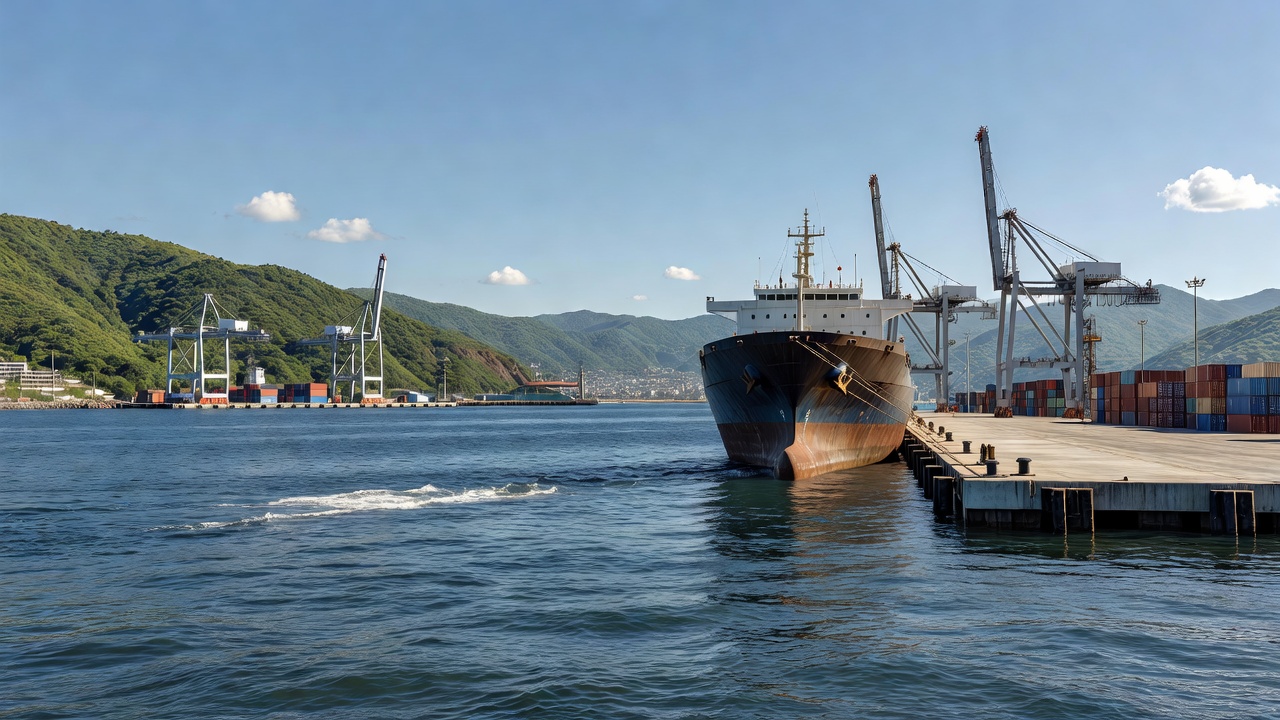
The United States increased its aid pledge to more than $300 million from an initial $150 million to cover emergency medical care, food, water, sanitation, shelter and logistics, the State Department said in a statement that also noted the USS Fort Lauderdale was docked at the repaired Port of La Guaira to facilitate deliveries. China committed nearly $15 million while the Netherlands dispatched a vessel with emergency supplies, according to announcements compiled by Reuters. The UN was procuring 10,000 body bags as part of its operations, Gianluca Rampolla Del Tindaro told reporters, adding that a further rise in the death toll remained unavoidable. PAHO activated emergency response mechanisms to restore health services in the affected north-central states, its update on the sequence stated.
Venezuela declared a nationwide state of emergency immediately after the magnitude 7.2 and 7.5 quakes struck within 39 seconds of each other on June 24, according to government filings and reporting by Al Jazeera. The earthquakes, among the strongest to hit the country in more than a century, exposed vulnerabilities in a nation whose health and infrastructure systems have faced prolonged strain, a Direct Relief overview of the disaster noted. Families have begun digging through rubble themselves in many locations, the organization added, while power outages compounded difficulties in delivering coordinated aid. The combined international and local efforts continue as assessments of long-term reconstruction needs remain ongoing.