ع
ع


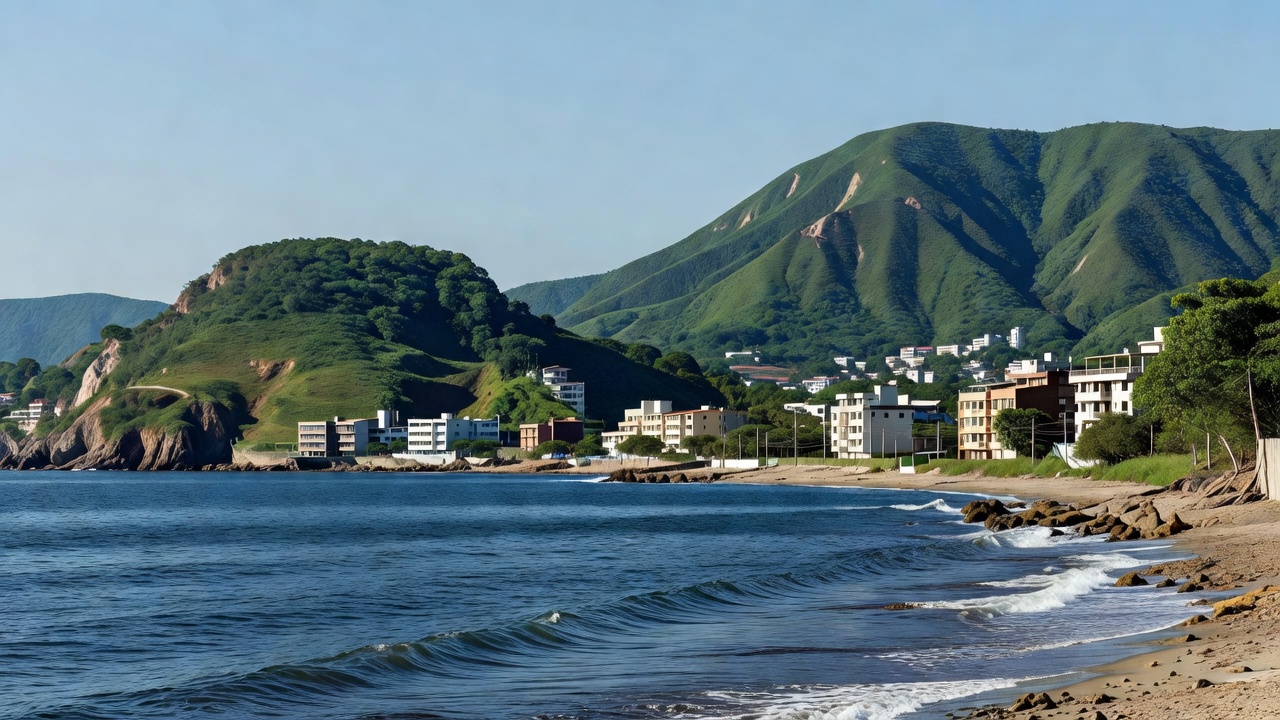
Venezuelan mother Dayana Patino told the BBC on Sunday that her 18-day-old son Juan David gave her the motivation to stay alive while trapped under rubble for about 18 hours after twin earthquakes struck the country on Wednesday. Patino was rescued along with the infant from an eighth-floor apartment in La Guaira on Thursday night, emerging as a symbol of hope amid the disaster that has claimed at least 1,430 lives according to government updates reported by CNN. Her husband Gerson described the moment as a miracle after he had feared both were dead.
Patino had been washing dishes when the magnitude-7.2 and 7.5 quakes hit within seconds of each other, according to the BBC account of her interview at a Caracas clinic. She rushed to hold her baby, only to be thrown around the collapsing building and pinned by concrete with her left leg trapped. “As long as he was alive, I was going to be alive. Every now and then I was touching his nose for proof that he was still breathing,” Patino said, adding that the infant kept her awake and alert in the darkness.
In the rubble Patino found a bible that sparked her survival journey and glimpsed a pinprick of light, the BBC reported from her account. She conserved energy by staying silent until she heard her brother calling her name, then screamed to alert rescuers. The delicate operation freed both mother and child, with Patino suffering leg injuries while Juan David sustained only minor ones, according to the same interview.
Gerson had just parked the car and jumped a fence to safety when the tremors struck, Reuters noted in coverage of the disaster’s immediate chaos. Upon seeing the destroyed building he assumed the worst until the rescue unfolded, captured in footage shared globally. “It was indescribable. I thought they were dead. And when I saw my son I felt like I was born again. I couldn’t believe it… I felt the life come back to me,” Gerson told the BBC, clenching his eyes and tilting his head skyward in the video as he embraced the baby.
The family lost their home, possessions and pet dog but vowed to rebuild from scratch, the BBC reported. Patino and Gerson now face an uncertain future in a nation where search efforts continue with diminishing hopes for additional survivors four days after the quakes, according to CNN updates from Saturday. Opposition-linked tracking sites listed more than 68,000 people as missing by the weekend, though some figures may include communication gaps caused by widespread infrastructure damage.
This week’s events mark the strongest earthquakes in Venezuela in more than a century, surpassing the 1967 Caracas tremor that killed hundreds, Reuters historical comparisons showed. The 1812 quake that devastated Caracas and Mérida claimed an estimated 30,000 lives, according to U.S. Geological Survey records cited in multiple outlets. National Assembly President Jorge Rodríguez reported 3,238 injuries and 3,142 families left homeless in the latest official tally, underscoring the scale that has strained rescue operations hampered by aftershocks and equipment shortages.
Foreign rescue teams have arrived to assist local efforts that have so far saved more than 200 people, CBS News reported from the ground in La Guaira. The government has faced growing public frustration over the pace of aid distribution as families dig through debris themselves, Politico coverage indicated. Patino’s story has nonetheless offered a rare note of resilience in what the country’s interim president termed the most brutal natural catastrophe in Venezuela’s history.