ع
ع


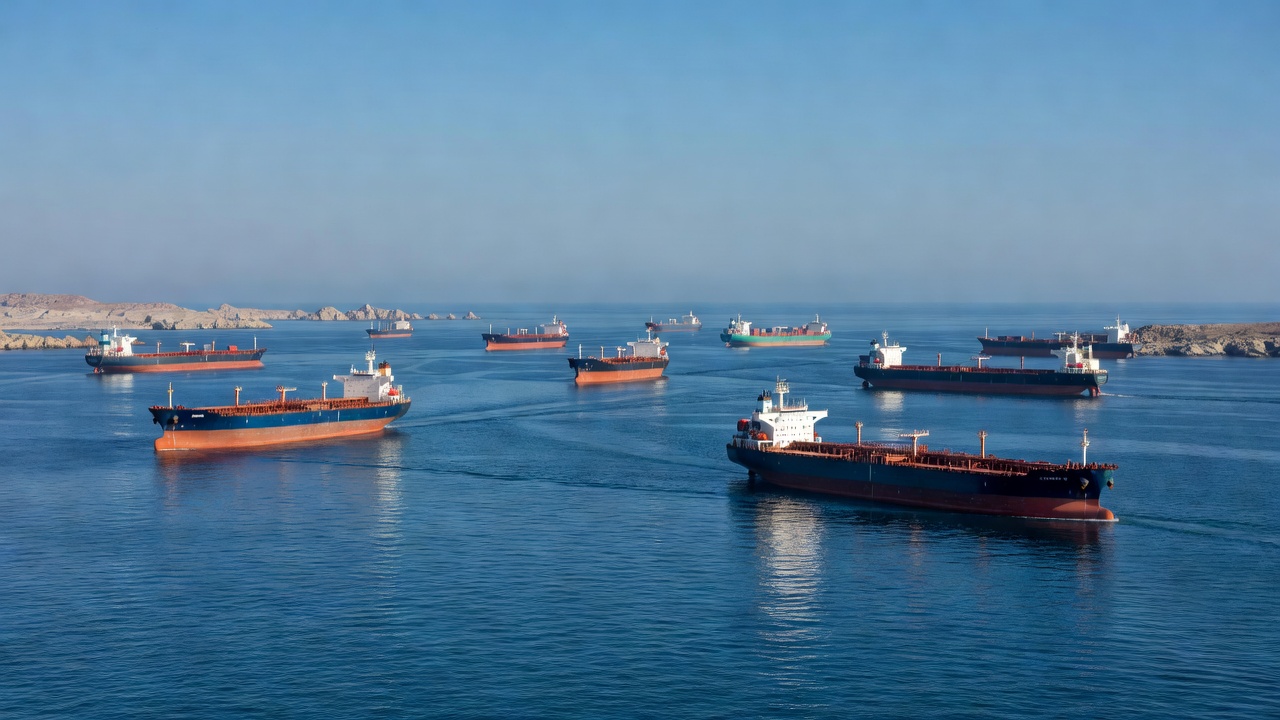
US officials said on Sunday that Washington and Tehran had agreed to stand down following an exchange of strikes in and around the Strait of Hormuz, allowing vessels to move freely through the critical waterway as technical talks on their mid-June memorandum proceed. The development came days after an Iranian projectile struck a cargo ship, triggering US retaliation and an Iranian response against American bases in the Gulf where no casualties or damage were reported. It aims to preserve a fragile ceasefire reached earlier this year after the outbreak of the 2026 Iran war.
A senior US official told Reuters that technical talks were slated to continue on all areas of the memorandum of understanding both sides signed on June 17. That 14-point document called for the immediate and permanent termination of military operations on all fronts, including in Lebanon, according to the text read out by administration officials and reported by CNN. Iran had agreed to use its best efforts to ensure safe passage of commercial vessels through the strait for 60 days at no charge under the pact, the official accounts stated.
Strikes resumed Thursday after an Iranian projectile hit a cargo ship in the Strait of Hormuz, the BBC and Reuters reported. US Central Command described its retaliatory attacks on multiple targets in Iran over the weekend as a direct response to continued aggression against commercial shipping. Iran launched strikes Saturday on US bases in Kuwait and Bahrain, but the Pentagon said none reached their targets and there were no casualties or damage.
The weekend clashes tested a ceasefire framework in the 2026 Iran war that Britannica timelines show began Feb. 28 with US and Israeli strikes on Iranian targets, prompting widespread Iranian retaliation. Iran declared the Strait of Hormuz closed on March 4, stranding oil and LNG shipments and driving sharp price increases, according to a Congressional Research Service report from March. An initial two-week ceasefire mediated by Pakistan took hold in April, leading to further talks that produced the June 17 memorandum signed by President Donald Trump and Iranian President Masoud Pezeshkian, Wikipedia summaries of the ceasefire process noted.
Disruptions from the conflict sent Brent crude above $120 a barrel at peaks earlier in the year, the Congressional Research Service assessment found. Prices later fell around 20 percent from 2026 highs as optimism grew around ceasefire prospects, CNBC reported at the end of May. The International Energy Agency characterized the events as the greatest global energy security challenge in history, an overview of the economic impacts indicated.
The memorandum also addressed hostilities in Lebanon, where the US mediated a framework agreement between Israel and Lebanon signed Friday that remains shaky. Hezbollah’s leader rejected the deal and accused Beirut of undermining sovereignty, the BBC reported. Israeli forces struck a 2-meter-long Hezbollah tunnel in southern Lebanon on Sunday that contained hundreds of weapons, with Prime Minister Benjamin Netanyahu and Defense Minister Israel Katz stating the US had been informed in advance.
Tehran has insisted that hostilities in Lebanon must stop for any wider ceasefire to hold, according to positions cited across reporting by Reuters and the BBC. The US official confirmed that vessels could now transit the strait freely while renewed talks aimed at ending the war continued. The two sides plan to meet this week in Qatar to advance those discussions, Axios reported citing American officials.