ع
ع


US Central Command announced a six-hour sequence of strikes that hit Iranian command centres, air defence sites and coastal surveillance facilities across multiple locations including the port city of Bandar Abbas and Greater Tunb Island. The operation sought to degrade Iran’s ability to threaten commercial vessels in the Strait of Hormuz, the command stated in its summary of the action. Iranian state media reported explosions throughout the country with air defence systems triggered in Tehran shortly after the strikes began. In immediate response the Iranian military said it launched attacks on US bases and infrastructure across neighbouring Gulf states.
Kuwait’s military reported successfully intercepting multiple drone attacks while Bahrain’s interior ministry instructed citizens to remain calm and proceed to the nearest safe locations, according to statements released by both governments. The Iranian military separately claimed it struck US communication systems and fuel storage facilities in Jordan as part of the coordinated retaliation. These exchanges marked the sixth day of renewed hostilities that have strained a preliminary agreement intended to end the broader conflict, Reuters reported from the region.
President Donald Trump warned Iran it had better behave or it would confront further military action if it failed to return to negotiations, according to White House statements. On Tuesday he had threatened to target Iran’s energy infrastructure should Tehran stay away from talks. Iran’s top negotiator Mohammad Bagher Ghalibaf told state media Tehran had no reason to abide by any agreement that did not benefit the country. He added that national security depended on maintaining what he described as Iranian arrangements in the Strait of Hormuz.
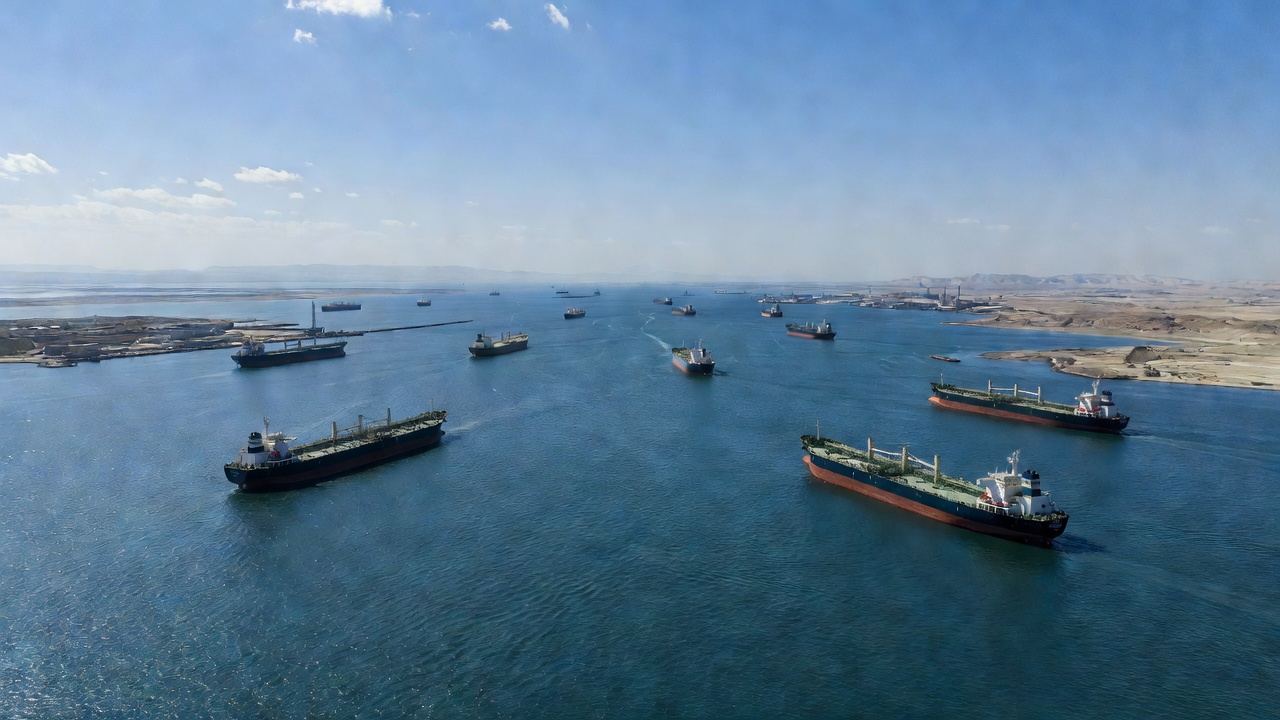
Separately US forces disabled an unladen Curacao-flagged oil tanker that Centcom said was attempting to reach a blockaded Iranian port on Wednesday. The tanker incident highlighted the immediate risks facing shipping in the area amid the blockade reinstated by American forces. Energy Information Administration figures place average daily oil flows through the Strait of Hormuz at 20.7 million barrels in 2024, equivalent to about 20 percent of global petroleum liquids consumption.
Recent assessments from the agency show volumes fell nearly 30 percent in the first quarter of 2026 to 14.6 million barrels per day as the conflict disrupted established routes and prompted shifts in exports from Saudi Arabia, Kuwait and the United Arab Emirates. Those adjustments included greater use of overland pipelines to Red Sea ports and increased local refining capacity that reduced the strait’s overall throughput. The data reflect both OPEC+ production cuts and the direct effects of heightened tensions on maritime trade patterns.
Greater Tunb Island, which overlooks the entrance to the Strait of Hormuz and has remained under Iranian control since 1971, represents a longstanding point of strategic contention according to geopolitical reporting by The New York Times. Bandar Abbas functions as Iran’s principal naval base equipped with missile batteries and fast attack craft, analyses from the Nuclear Threat Initiative indicate. The latest round of US strikes on these sites aligns with a pattern of targeting coastal defences and radar installations that Reuters has tracked across multiple nights of operations in the ongoing campaign.