ع



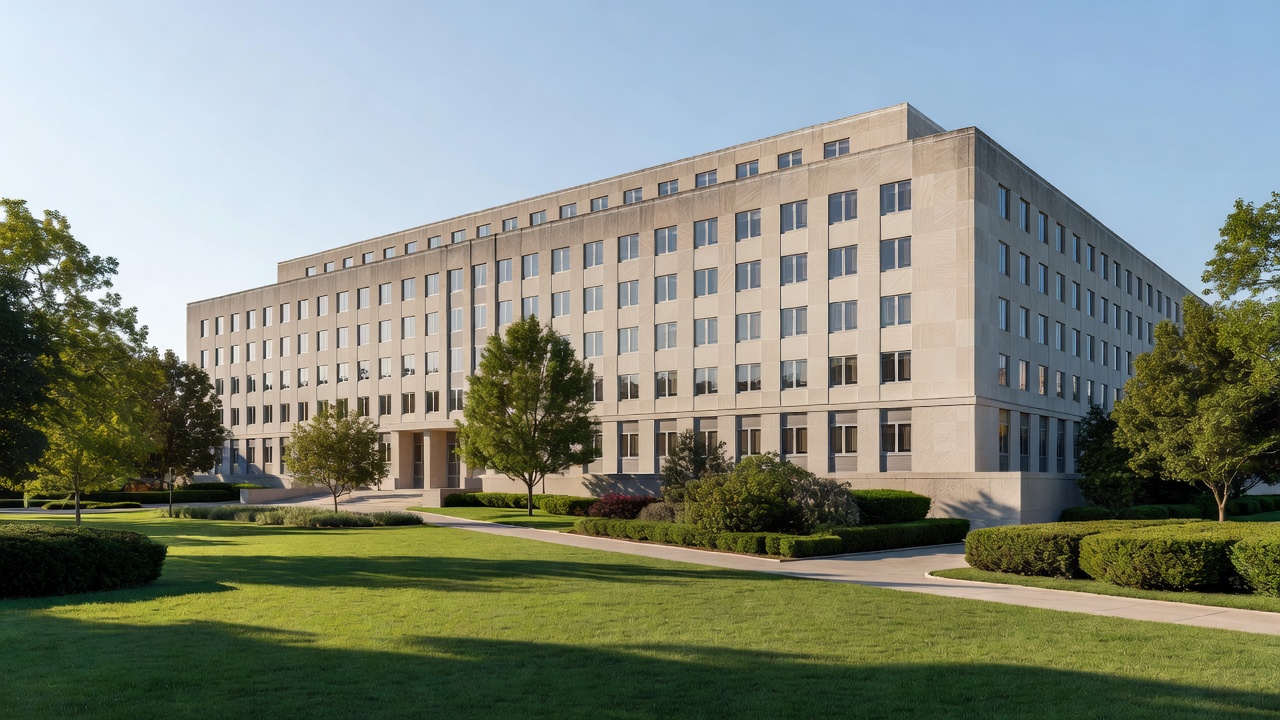
The US Central Command disclosed that the State Department’s Rewards for Justice programme is providing a bounty of up to $20 million together with potential relocation assistance for actionable intelligence on Iran’s nuclear programme. This encompasses data on associated facilities, equipment, scientific personnel and any movements involving those elements. The initiative reflects persistent American concerns over the programme despite previous military actions against it.
A statement from the State Department attributed Iran’s lack of compliance with International Atomic Energy Agency safeguards to the loss of continuity of knowledge concerning the country’s production and inventory of centrifuges, key devices for uranium enrichment. The IAEA reported in 2025 that Iran had enriched uranium to 60 percent purity, a threshold that brings it close to the 90 percent level required for nuclear weapons and positions it as the sole non-nuclear-weapon state achieving such levels. Such information is viewed as critical for safeguarding US national security interests.
President Donald Trump asserted last year that American and Israeli strikes had completely and totally obliterated Iran’s nuclear facilities, a claim he has reiterated even as the reward was announced. Speaking to reporters on November 6, Trump noted that discussions with Iran continue through mediators and that Tehran wants to make a deal very badly. Iran, for its part, maintains that its nuclear efforts serve exclusively peaceful purposes and has denied any pursuit of atomic weapons.
Iran transmitted a nuclear proposal to Washington via Qatar on condition that the US first satisfies seven demands including the lifting of sanctions and an end to the port blockade, a senior Iranian official informed Reuters on November 5. These preconditions also encompass unfreezing assets, payment of war reparations and cessation of regional hostilities. The Trump administration has insisted that nuclear matters must be tackled at the start of any negotiations aimed at concluding the eight-month-old conflict.
The Rewards for Justice programme, launched in 1984, operates as the primary national security rewards initiative of the State Department and has distributed more than $250 million to over 125 informants globally since its inception, according to programme records. It previously offered $10 million for details on Iran’s supreme leader and senior IRGC officials earlier this year. Tips can be submitted through secure channels such as Signal, Telegram and the Tor browser in multiple languages.
US Vice President JD Vance told Reuters in October that Iran would need to implement meaningful cuts to its uranium enrichment capacity to meet American conditions for ending the war. The head of the International Atomic Energy Agency, Rafael Grossi, stated in late October that no efforts to repair or rebuild the nuclear sites damaged in the 2025 and 2026 strikes had been observed. Access for inspectors to those locations has not been restored, leaving significant uncertainties about the current state of Iran’s enriched uranium stockpiles.