

 ع
ع


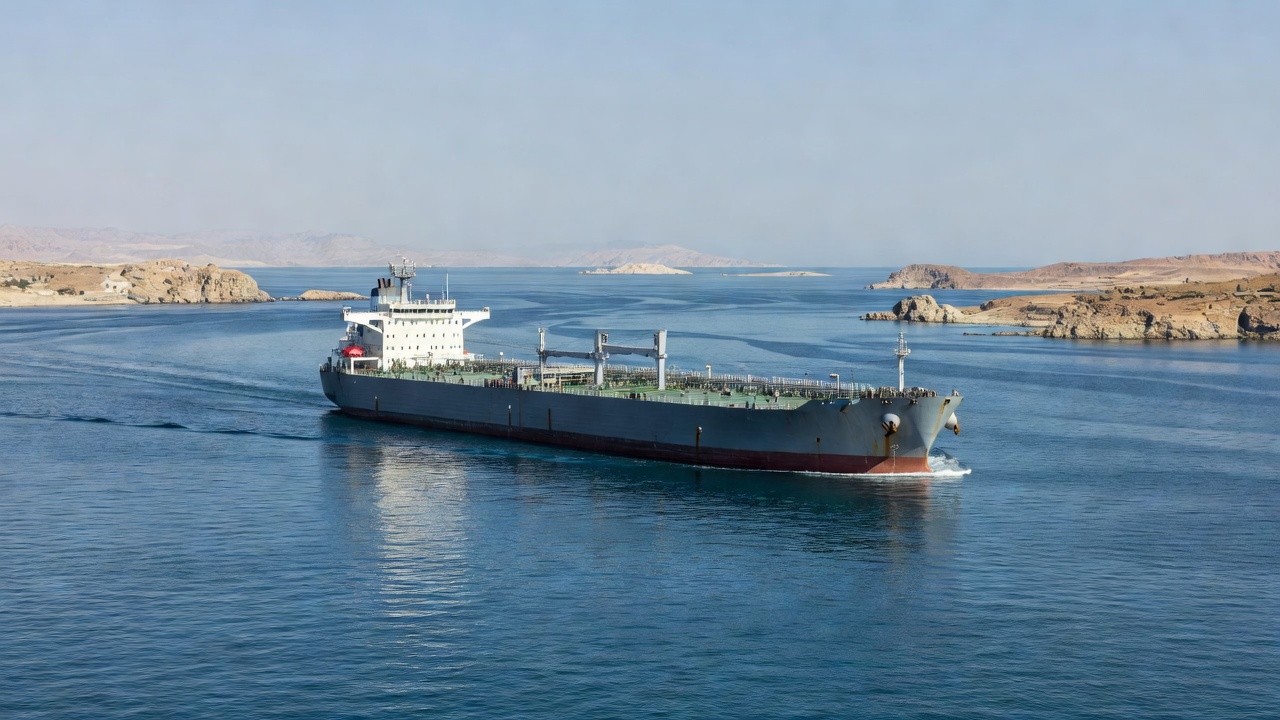
US Central Command conducted strikes on multiple targets in Iran on June 27 in retaliation for a second drone attack on a commercial vessel in the Strait of Hormuz, officials said, testing a ceasefire agreement reached earlier this month. The latest strike hit the Panama-flagged tanker MT Kiku on Saturday, days after Iranian forces targeted the Singapore-flagged MV Ever Lovely on June 25, according to Centcom statements. US aircraft struck Iranian missile and drone storage locations, coastal radar sites, air defense systems and communication facilities as a measured response to what Centcom described as continued aggression against commercial shipping.
Centcom stated that Iran was given a chance to honor the ceasefire agreement but elected not to when its forces launched a one-way attack drone that hit MT Kiku. The strikes followed an initial set of US actions after the Ever Lovely incident, the New York Times reported on June 26. Iran has not commented publicly on the latest US operation, even as its foreign ministry previously blamed a treaty-breaking US regime for regional tensions.
The actions come less than two weeks after the United States and Iran signed a 14-point memorandum of understanding on June 17 that included commitments to end hostilities and ensure toll-free safe passage for commercial vessels through the strait for 60 days, a Council on Foreign Relations summary found. President Trump posted on Truth Social that Iran had informed the US there would be no tolls, no insurance costs and no other charges, adding that false information would end negotiations immediately. Iranian chief negotiator Mohammed Bagher Ghalibaf stated that the administration of the Strait of Hormuz will never go back to the way it was before the war.
US Energy Information Administration figures show that oil flows through the Strait of Hormuz averaged 20.9 million barrels per day in the first half of 2025, accounting for roughly 20 percent of global petroleum liquids consumption. A Congressional Research Service assessment published in March 2026 noted that Iranian forces declared the strait closed starting in early March after US and Israeli strikes in late February, causing a nearly 30 percent drop in transit volumes to 14.6 million barrels per day during the first quarter of this year. The resulting disruptions triggered spikes in global oil prices and interrupted shipments of commodities including fertiliser.
Omani and Iranian officials held talks in Muscat that reaffirmed commitments to toll-free safe passage, according to statements from Omani Foreign Minister Badr Al-Busaidi. The June 17 agreement followed months of mediation that included direct talks in Islamabad between senior US and Iranian officials, a Britannica overview of the 2026 Iran crisis reported. Commercial shipping has resumed at reduced levels along routes cleared by US forces near the Omani coast, though Iran has insisted vessels use corridors closer to its coastline.
The latest flare-up represents the third round of US strikes on similar Iranian targets in three weeks, NPR reported on June 27. Centcom described the Iranian actions as unwarranted aggression that clearly violated the ceasefire. Trump had earlier called the initial vessel attack a foolish violation of the fragile agreement between the two countries.
A Wall Street Journal dispatch on June 27 indicated that the fresh strikes threaten to unwind the fragile ceasefire deal between Washington and Tehran. The memorandum also outlined steps toward negotiations on sanctions relief and Iran’s nuclear program within a 60-day window, according to details released by US officials. Shipping traffic through the waterway remains a central point of contention as both sides trade accusations over route designations and compliance.