ع
ع


Dilly Carter outlined four common cluttering mistakes households make and how to fix them in a new BBC podcast titled Sort Your Life Out: The four most common cluttering mistakes and how to fix them released this week. The tidying specialist from the show Sort Your Life Out emphasised practical steps that can transform chaotic homes into organised spaces. Research detailed by Northwell Health links clutter to increased cortisol, insomnia and cognitive strain, highlighting the broader benefits of her recommendations.
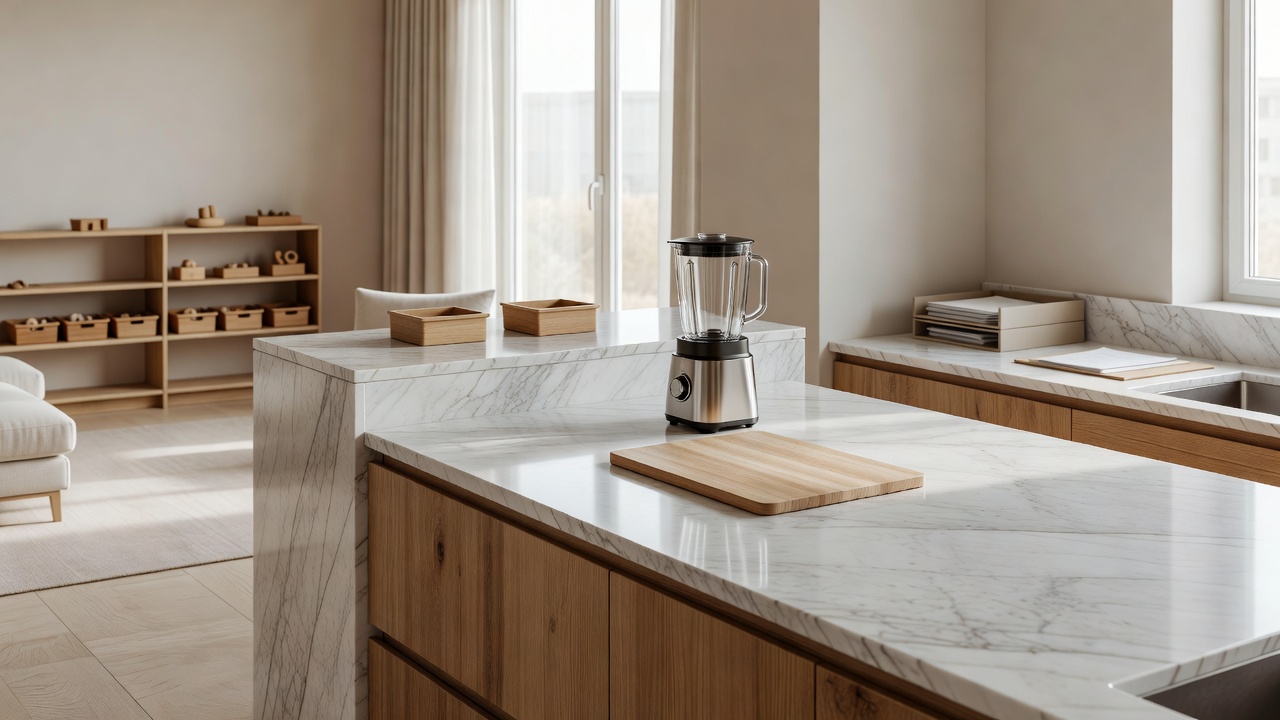
According to Carter in the BBC podcast, cluttered kitchen counters topped the list of errors, typically overloaded with underutilised small appliances that occupy prime workspace. She urged viewers to regard the kitchen as real estate where every object must pay rent by being frequently used or serving multiple purposes. Preferring versatile items over specialised ones helps minimise accumulation while maintaining accessibility for daily cooking tasks. Periodic audits of countertop inhabitants can prevent the buildup of redundant equipment that contributes to visual noise.
Clothing overload combined with insufficient drawer space often leads to hidden garments and inefficient storage, Carter continued. The solution involves hanging dress shirts and blouses on rails while file-folding casual T-shirts upright in drawers for at-a-glance selection, factoring in garment age and material composition. This technique surpasses traditional rolling methods that conceal items and discourage regular wear of older pieces. Implementing such systems enables better inventory control and reduces impulsive buying of replacements for lost clothing.
Toy storage presents a further challenge when all items are dumped into one oversized box, rendering specific toys hard to find and encouraging mess during play sessions. Carter advocated for an array of smaller containers each assigned to particular categories such as building blocks or dolls to streamline retrieval and cleanup routines. The categorised approach not only aids children in developing organisational skills but also minimises frustration for parents overseeing play areas. Her insights reflect patterns observed across dozens of family homes documented on the BBC programme.
Scattered paperwork creates mental barriers by making administrative tasks appear more daunting than necessary, the expert explained. Consolidating all documents into a single collection point facilitates a clearer overview and simplifies decisions on what to file, action or recycle. Carter pointed out that this initial gathering often proves the most liberating step in tackling home administration. She added the observation that “all clutter does is look back at us – doesn’t it?”
Professional organisers contributing to a January 2026 Washington Post analysis warned that acquiring organising products before decluttering ranks among the most counterproductive habits. They explained that this practice frequently results in containers filled with unnecessary belongings rather than curated essentials tailored to actual lifestyles. Waiting until after the purge allows for precise selection of storage solutions that match remaining items and available space. Such disciplined sequencing forms the foundation of lasting organisational success according to the interviewed specialists.
Figures from The Simplicity Habit demonstrate that decluttering the average home can cut housework time by 40 percent while simultaneously improving focus and lowering daily irritability levels. A Northwell Health review published in May 2025 detailed how cluttered environments elevate cortisol production, interfere with restorative sleep and impair memory functions over time. Complementary research from the Royal Australian College of General Practitioners has associated chronic disarray with anxiety spikes and avoidance behaviours including unhealthy eating. These empirical observations reinforce the tangible advantages of applying Carter’s four targeted corrections in everyday settings.