ع
ع


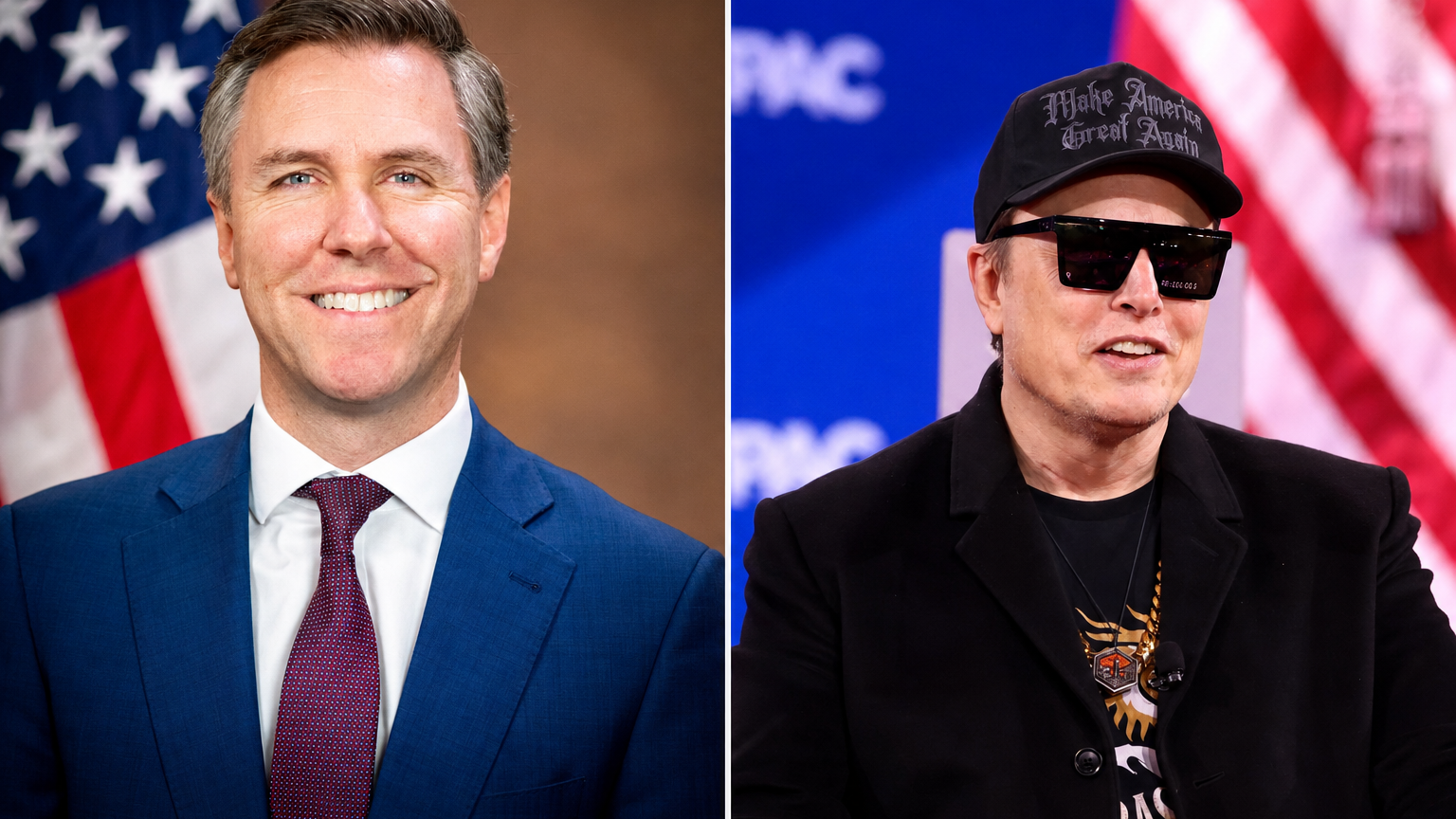
The US Department of Justice filed an application with the EU’s General Court supporting X and Musk’s bid to annul the December 2025 penalty, according to a statement from the department. Assistant Attorney General Brett A. Shumate said the European Commission had inappropriately attempted to expand its regulatory authority to reach American companies not present or operating within its jurisdiction. Shumate added that the United States would not tolerate the commission engaging in regulatory overreach to control American engines of innovation and economic growth. The filing invokes a clause in the Statute of the Court of Justice of the EU that permits a state to intervene when it can establish an interest in the case outcome.
The European Commission imposed the €120 million fine following a two-year investigation into the platform’s compliance with transparency and design rules under the Digital Services Act, its December 2025 press release stated. The commission found that X’s paid blue checkmark system deceived users by allowing anyone to purchase verification status without meaningful identity checks behind the accounts. It also determined that the platform’s advertising repository lacked required accessibility and searchability for researchers while imposing unnecessary barriers on data access for approved academic studies. The penalty calculation considered the infringements’ nature, their gravity for EU users and how long they persisted, according to the commission’s assessment.
This decision represented the first non-compliance fine issued under the Digital Services Act, a landmark regulation that requires major online platforms to address illegal content, harmful practices and transparency obligations, Reuters reported. The commission opened formal proceedings against X in December 2023 before reaching its conclusions nearly two years later. X filed its appeal in February 2026, with separate cases listing both the company and Musk among the applicants seeking to have the ruling dismissed.
An EU spokesman said on Friday that the commission stood ready to defend its position before the court, describing the case against X as very solid with abundant supporting evidence. Thomas Regnier told reporters that the bloc was enforcing its legislation objectively to protect citizens while respecting the independent role of the judiciary in any final ruling. The spokesman noted that the commission would continue to pursue compliance measures regardless of the ongoing legal proceedings.
Musk, who acquired the platform in 2022 and rebranded it from Twitter to X, has repeatedly criticised EU technology rules as inhibiting innovation and progress for companies. The entrepreneur provided millions in support for Donald Trump’s presidential campaign and other Republican candidates ahead of the 2024 election, public campaign finance records show. The Trump administration has consistently described the Digital Services Act as an example of Brussels attempting to exert extraterritorial control over US-based technology firms, according to multiple statements from officials.
The Department of Justice argued in its intervention request that any commission decision must remain consistent with international norms on territorial jurisdiction to avoid prejudicing US digital services that contribute significantly to the national economy. Legal analyses have framed the case as an early test of how far the Digital Services Act can extend to companies headquartered outside the bloc, Reuters noted in its coverage of the filing. X has continued operating in Europe while maintaining that its verification and transparency systems meet applicable legal standards.
The commission gave X an initial 60 working days to outline fixes for the blue checkmark deception and 90 days to address shortcomings in its advertising library and researcher data access, according to the original enforcement decision. Bloomberg reported that the dispute has become a flashpoint in broader transatlantic tensions over digital regulation since the fine was announced. The General Court must first decide whether to accept the US intervention before proceeding with the substantive appeal.