ع
ع


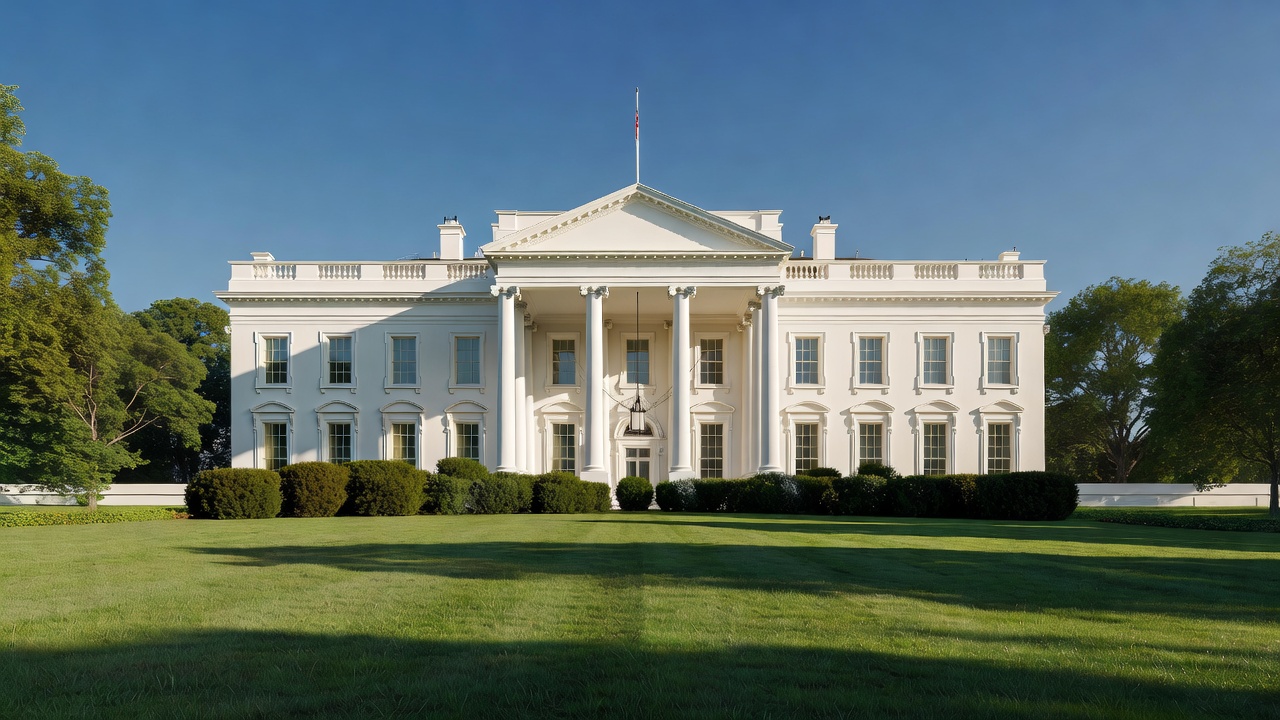
The White House withdrew a video game styled after the classic block-stacking puzzle from its newly created arcade platform, multiple technology outlets including Ars Technica have reported.
The title, known as “Build the Wall: Zombie Border Siege,” required players to stack falling pieces in order to construct a barrier against advancing pixelated figures approaching from the southern border in what amounted to an interactive promotion of immigration enforcement policies.
Launched on September 3 as part of a set of five arcade-style games that repurposed familiar mechanics to highlight administration priorities, the entry was no longer accessible by the following weekend, with its page returning an error according to TechCrunch.
The Tetris Company posted on its official X account on September 4 to clarify its position regarding the project, a statement that was reproduced across coverage by GamesIndustry.biz and Newsweek.
“The Tetris Company was not involved in the creation of ‘Build the Wall’ and did not authorize or license the Tetris brand or intellectual property for the game,” the company said in the announcement distributed via social media.
It added that “At Tetris we believe in the power of connection and bringing people together, not dividing them,” while noting to its audience that it takes copyright infringement very seriously.
This development continues a pattern in which The Tetris Company has moved to protect its rights, including a 2012 settlement with the creators of an iPhone title called Mino that the firm said copied its look and feel, according to details cited in the BBC report.
The company, which operates as the exclusive licensee of rights held by Tetris Holding LLC, has a documented history of issuing takedown requests and pursuing legal action against unauthorized adaptations, Variety reported.
In this instance, it remains unclear whether a formal notice preceded the removal, as the White House has issued no public comment on the matter.
Four additional games from the original lineup continue to be offered on the White House website, Dexerto and PocketGamer.biz have noted.
“Flappy Bill” adapts the Flappy Bird format by having players guide a bald eagle through national landmarks, while “Rio Run” reworks Snake-style gameplay into a border patrol scenario along a river.
These surviving titles maintain the administration’s approach of using familiar game structures to communicate policy themes, though without the direct block-stacking element that triggered the objection.
The arcade initiative aligns with earlier indications from the Department of Homeland Security that it would employ video game formats and memes to advance its messaging, as referenced in coverage by GamesIndustry.biz.
The Tetris Company’s emphasis on unity stands in contrast to the removed game’s framing, though the firm stopped short of calling for any specific remedy beyond its public disavowal.
No further details on potential next steps have emerged from either party.
The episode underscores the intersection of government communications and private intellectual property rights in the digital space, a dynamic highlighted in reporting from The Verge and VGC.
The rapid disappearance of the game page followed shortly after the company’s initial statement, suggesting the objection carried weight even in the absence of confirmed legal proceedings.
Observers tracking the story have pointed to the administration’s broader use of online tools for policy outreach as the context in which such adaptations were developed.