ع
ع


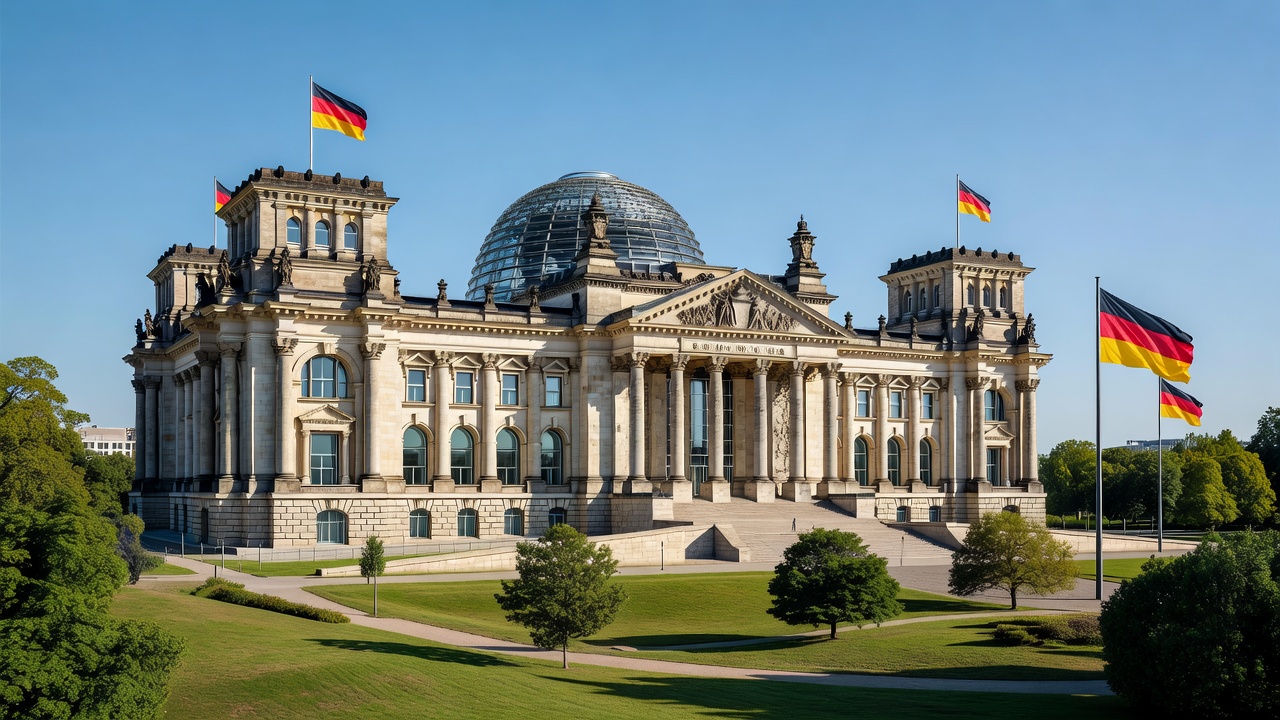
Chancellor Friedrich Merz used a general debate in the Bundestag on Wednesday to launch a series of sharp attacks on the Alternative for Germany three days after its strong performance in eastern state elections, according to multiple reports from the session. He told AfD co-leader Alice Weidel that her party remained a destructive force that would never secure an absolute majority in Germany with its current platform. Merz specifically targeted the AfD’s remigration proposals, describing them as nothing other than ethnic cleansing based on skin colour and origin, a formulation carried across coverage by Deutsche Welle and the BBC. He accused the party of voter deception after its Saxony-Anhalt candidate shifted post-election toward seeking coalitions despite pre-vote pledges to govern only with a majority.
The AfD captured 43.8 percent of the vote in Saxony-Anhalt on Sunday, a result that Reuters said marked the party’s strongest postwar performance in any German state while slashing support for Merz’s Christian Democratic Union to 17.2 percent. A New York Times analysis of the outcome noted that roughly half of voters viewed the AfD as a threat to democracy yet the party still prevailed in the former East German region of 2.1 million people. The election has intensified scrutiny of the longstanding firewall that prevents mainstream parties from cooperating with the AfD, an informal barrier the NYT reported is now facing its most severe test in decades. Neighbouring France and Poland expressed concern over the result, according to Reuters dispatches.
Alice Weidel opened the parliamentary session by declaring the governing coalition a failure and telling Merz his time was up, statements Deutsche Welle recorded as part of her first direct exchange with the chancellor since the weekend vote. She argued that voters in Saxony-Anhalt had delivered a clear message that the traditional black-red alliance of conservatives and Social Democrats was finished. Weidel insisted the public sought a genuine change of direction rather than continuity from the current federal government. The AfD leader’s remarks drew repeated interruptions from other lawmakers, contributing to the stormy atmosphere described in Associated Press reporting.
Merz responded that the AfD had fallen short of its own goal in Saxony-Anhalt and warned it would achieve no broader majorities anywhere in the country, according to a dpa international summary of the debate. He highlighted that 56 percent of state voters had rejected the party, framing the outcome as a rejection of its agenda despite its first-place finish. Coverage from Euractiv quoted Merz accusing the AfD of seeking to destabilise Germany and reversing the roles of perpetrator and victim in its commentary on the war in Ukraine. The chancellor also defended continued German support for Kyiv against Russian aggression, a stance the AfD has criticised.
The result has placed Merz under considerable pressure within his own party, with the Financial Times reporting that his Christian Democrats have seen national polling slip to around 20 percent while the AfD has climbed to 28 percent. A history professor cited in the same outlet described the situation as posing an existential risk to the CDU after it lost every constituency in a state it had governed for more than two decades. Merz has ruled out any cooperation with the AfD and vowed to maintain the firewall, yet Reuters noted renewed debate within conservative ranks about whether that policy remains sustainable. He told reporters on Monday that the defeat had shaken his party to its foundations but insisted giving up was not an option.
German domestic intelligence classifies the AfD branch in Saxony-Anhalt as right-wing extremist, a designation that informed much of Merz’s criticism during the session, according to the BBC’s account cross-checked with DW coverage. The party has promised a deportation offensive targeting irregular migrants, language Merz linked to potential harm for the one in six skilled workers who have a migration background. International observers have watched the exchange closely given Germany’s historical responsibility, a point Merz himself acknowledged while assuring allies that national institutions remain resilient. The debate occurred as part of budget week in the Bundestag, providing a high-profile platform for the first post-election clash between the two leaders.