

 ع
ع


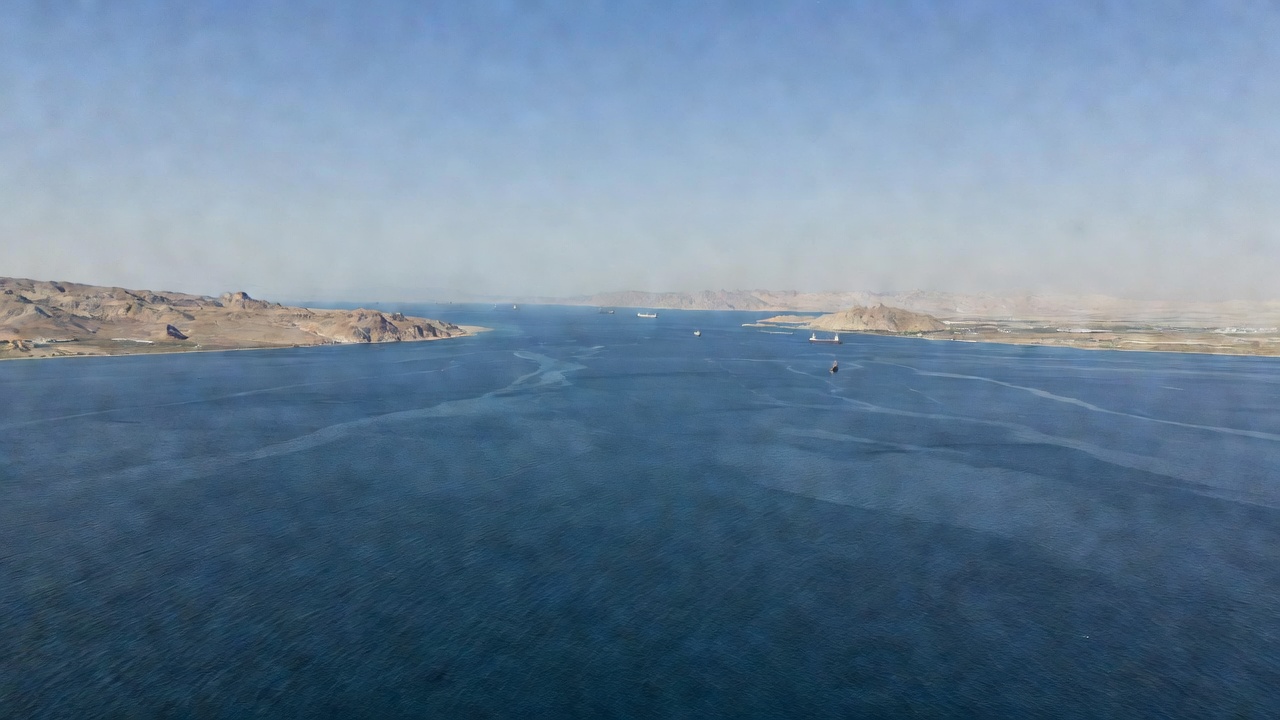
US Central Command announced that its forces executed a seventh night of strikes against Iranian military capabilities on July 17, following President Donald Trump’s decision to end a temporary ceasefire agreement. The operations focused on degrading Tehran’s capacity to threaten commercial vessels, building upon earlier rounds in which a CNN compilation of Centcom statements indicated more than 80 targets had been hit. Centcom released video footage from previous phases showing precision strikes on coastal radar installations, missile storage sites and port facilities while a New York Times summary of the campaign noted an expansion toward inland locations in recent days.
Iran’s Revolutionary Guards claimed two oil tankers exploded after entering a mined section of the shipping channel south of the Strait of Hormuz, an assertion that Centcom immediately dismissed in a statement posted on X. Iranian media outlets reported explosions in the central city of Yazd as well as on Qeshm island and at the port of Bandar Abbas adjacent to the vital waterway. Centcom stated that, like most IRGC claims, the tanker account was false while industry assessments confirm that the strait normally carries roughly one fifth of global oil and liquefied natural gas shipments that have now largely stopped.
Iranian armed forces asserted they had struck US military facilities across Kuwait, Bahrain, Jordan and, for the first time, Syria in retaliation for the American raids. Kuwaiti officials reported that Iranian drone attacks injured several of their soldiers and caused damage to a power plant together with water desalination stations. Sources who spoke with CBS News said multiple American service members sustained injuries during Iranian strikes on two Jordanian bases over the preceding week.
A White House spokesperson told the BBC that American forces had carried out strikes exclusively on military targets, including military logistics infrastructure, and denied Iranian accusations of attacks on civilian bridges, a train station or an airport. Provincial authorities in Hormozgan said seven people were killed in the strikes, a toll that matched separate accounts of a US hit on an army barracks at Iranshahr where GlobalSecurity.org reporting placed seven soldiers dead and 13 wounded. BBC Verify and BBC Persian analyzed nighttime video and subsequent daylight images that confirmed structural collapse along a section of the Gariveh Bridge.
The latest wave included strikes on the Shahid Kalantari port in Chabahar, Al Jazeera coverage indicated, while additional reporting from Fox News detailed destruction of bridges and a watchtower in the Bandar Khamir area during successive nights. US Central Command had previously described targeting command centers, air defense systems and drone capabilities in phases that a Reuters dispatch linked to Iran’s earlier actions against commercial ships in the strait. The exchanges have unfolded since peace talks collapsed over control of the waterway, prompting the reimposition of oil sanctions outlined in earlier CNN updates from the month.
Kuwaiti and Jordanian reports of damage underscored the regional reach of the tit-for-tat actions that have drawn in multiple Gulf states. Centcom maintained that its campaign continued at the direction of the commander in chief to safeguard maritime traffic, with no immediate indication of de-escalation from either side. Provincial casualty updates and verified infrastructure assessments continue to shape the evolving picture of the week’s operations.