

 ع
ع


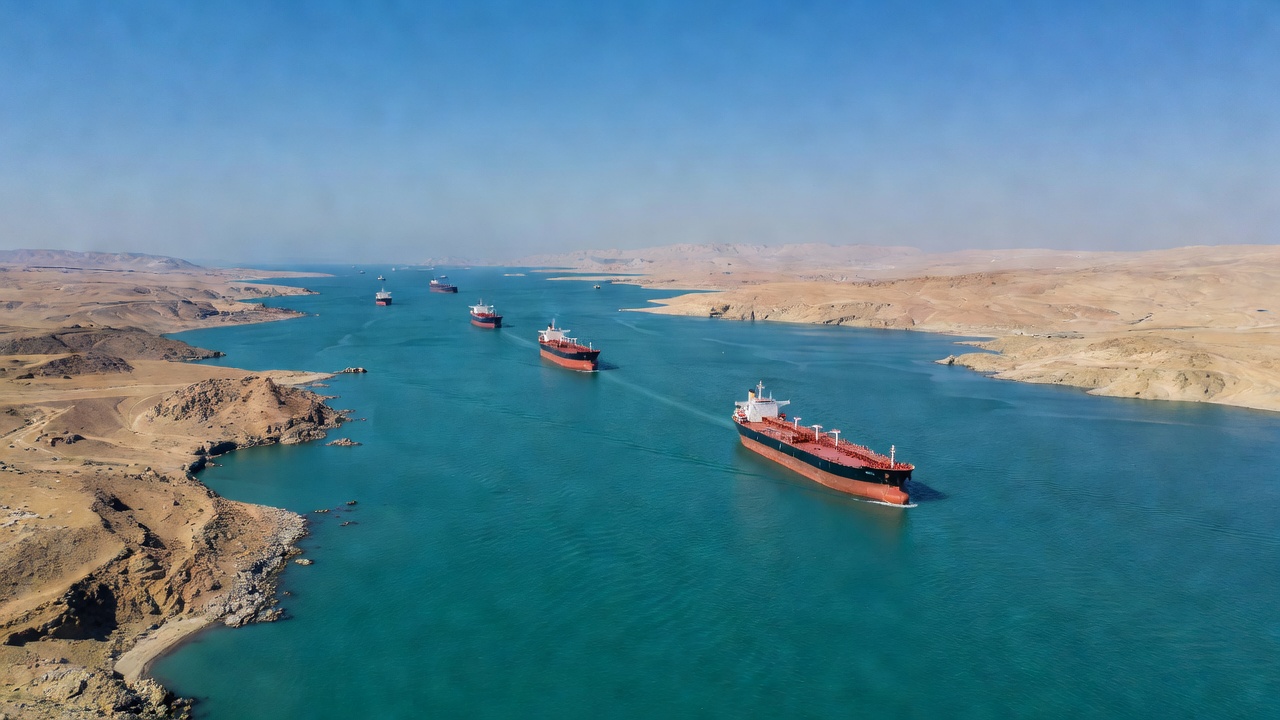
An Islamic Revolutionary Guard Corps commander told state media that any new American attack would usher in long and painful strikes on US positions across the Gulf region. Majid Mousavi added that the same outcome seen at regional bases could extend to American warships if hostilities resume, Al Jazeera reported on May 1 2026. The statements align with Iran’s restated claims over management of the Strait of Hormuz, which a New York Times dispatch from January 2026 noted carries roughly 20 million barrels of oil products daily.
President Masoud Pezeshkian wrote on the social media platform X that the answer of the Islamic Republic of Iran to any cruel aggression will be harsh and discouraging, the Associated Press reported in December 2025. His remarks followed comments from US President Donald Trump about potential strikes should Iran rebuild its nuclear or missile programs after the previous conflict. Iranian officials have repeatedly framed such responses as more decisive than past actions, according to multiple regional outlets covering the tensions.
The warnings come against the backdrop of a 12-day war in June 2025 that AP News data placed as killing nearly 1,100 Iranians including top commanders and nuclear scientists, with Iranian retaliatory strikes killing 28 people in Israel. US and Israeli operations destroyed much of Iran’s air defenses and targeted enrichment facilities, a Reuters assessment from June 2025 found. Tehran has since claimed its forces emerged stronger, with defense minister Aziz Nassirzadeh telling IRNA in August 2025 that new missiles with greater capabilities stand ready for use.
Supreme Leader Ayatollah Ali Khamenei said in televised remarks after the ceasefire that Iran would strike American military bases in the Middle East if attacked again, Reuters reported on June 26 2025. He described the prior targeting of a major US base in Qatar as a major incident that could repeat. The leader’s comments dismissed US achievements in the conflict while asserting that surrender would never occur.
A senior Iranian military adviser told local media that the country remains in a stage of war rather than a true ceasefire, according to coverage in The Times of Israel. Gen. Yahya Rahim Safavi warned that any renewed adventurism would draw a deadly, surprising and painful counter that goes beyond calculation. Al Jazeera analysis from March 2026 described Iran’s post-war strategy as more escalatory yet calibrated due to capability losses, favoring proxy actions and ballistic missile bursts.
The United Arab Emirates announced it would bar use of its territory for any military action against Iran and instead push for dialogue, an AP News item from January 2026 noted. Such positions reflect broader regional concerns over potential disruption to shipping and energy flows through the Strait of Hormuz. Iranian foreign ministry spokesmen have separately stated that any security breach would prove contagious across the area, per the same reporting.