

 ع
ع


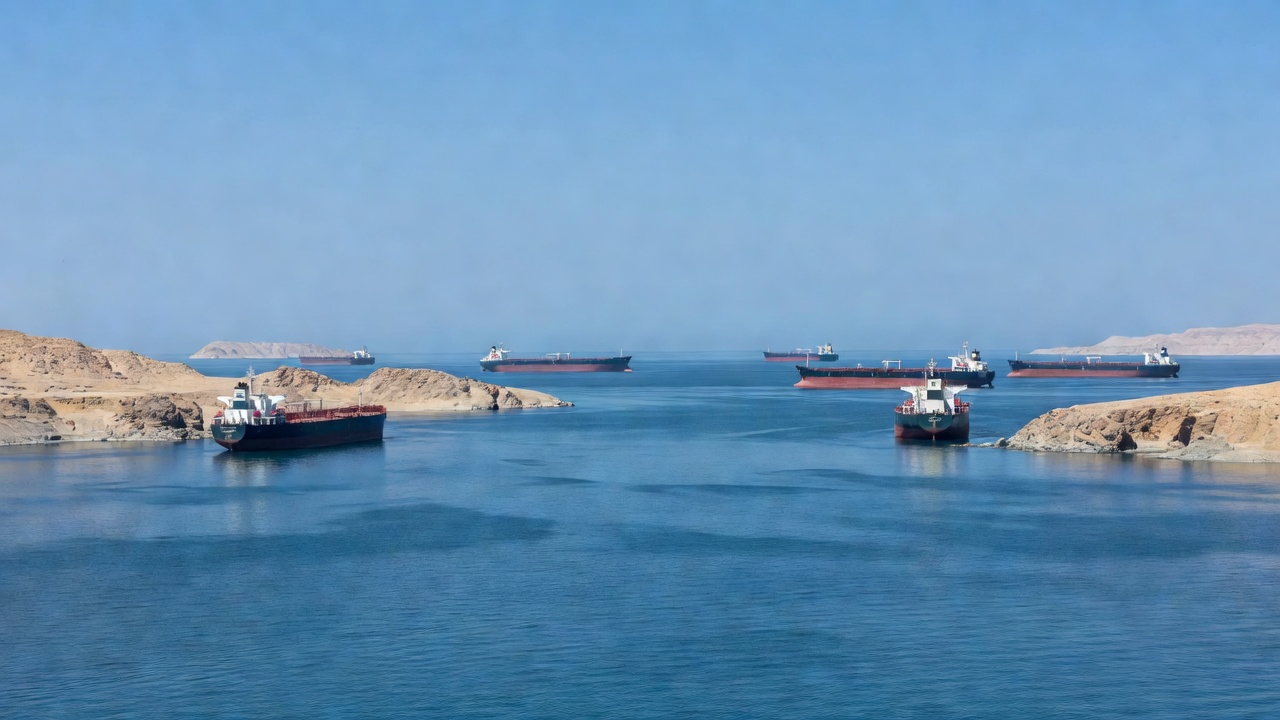
US Central Command said strikes began at 5 p.m. Eastern Time on Sunday and hit around 90 Iranian military sites including air defense systems, coastal radar installations, missile storage facilities and drone capabilities. The operation followed Iranian actions against commercial shipping in the Strait of Hormuz that Washington described as unwarranted aggression. Iranian state media reported explosions in locations such as Sirik, Qeshm, Bandar Abbas and Jask along the southwestern coast.
Iran’s Health Ministry put the death toll from two days of American strikes at 14 with another 78 people wounded while a provincial deputy governor separately confirmed one fatality and four injuries in Khuzestan. The Islamic Revolutionary Guard Corps announced retaliatory strikes against US military bases in Kuwait, Jordan and Bahrain. These exchanges marked the latest round in a conflict that has intensified since late February.
The developments cast doubt on an interim agreement both sides signed on June 17 that called for reopening the Strait of Hormuz, halting attacks and opening a 60-day window for further talks toward a permanent accord. President Donald Trump declared that Iranian actions meant the ceasefire was over although discussions would continue. Foreign Minister Abbas Araghchi accused Washington of violating the memorandum according to Iranian state media.
US Energy Information Administration figures show the Strait of Hormuz carried an average of 20.9 million barrels per day in the first half of 2025, equivalent to roughly one-fifth of global petroleum liquids consumption and one-quarter of all seaborne traded oil. The agency noted that volumes had already declined in prior years partly because of OPEC+ production cuts and regional disruptions. Brent crude rose 4 percent to $79.07 a barrel and US crude climbed 4.2 percent to $74.53 in response to the latest violence.
The wider confrontation began with US and Israeli strikes in February 2026 that killed Supreme Leader Ayatollah Ali Khamenei along with other senior officials according to Iranian authorities and multiple international reports. Thousands of people have died across Iran, Lebanon and Gulf states since then with American service members also among the fatalities. The interim deal had aimed to de-escalate after months of direct and proxy fighting that rattled energy markets worldwide.
Central Command reiterated that American forces stood ready to keep the strategic waterway open for commercial shipping despite Iranian declarations that it remained closed. The Pentagon has conducted multiple rounds of strikes since the conflict erupted with the latest bringing the two-day total to about 170 targets hit. Officials continue to monitor the situation for any further retaliation or disruption to global oil flows.