ع
ع


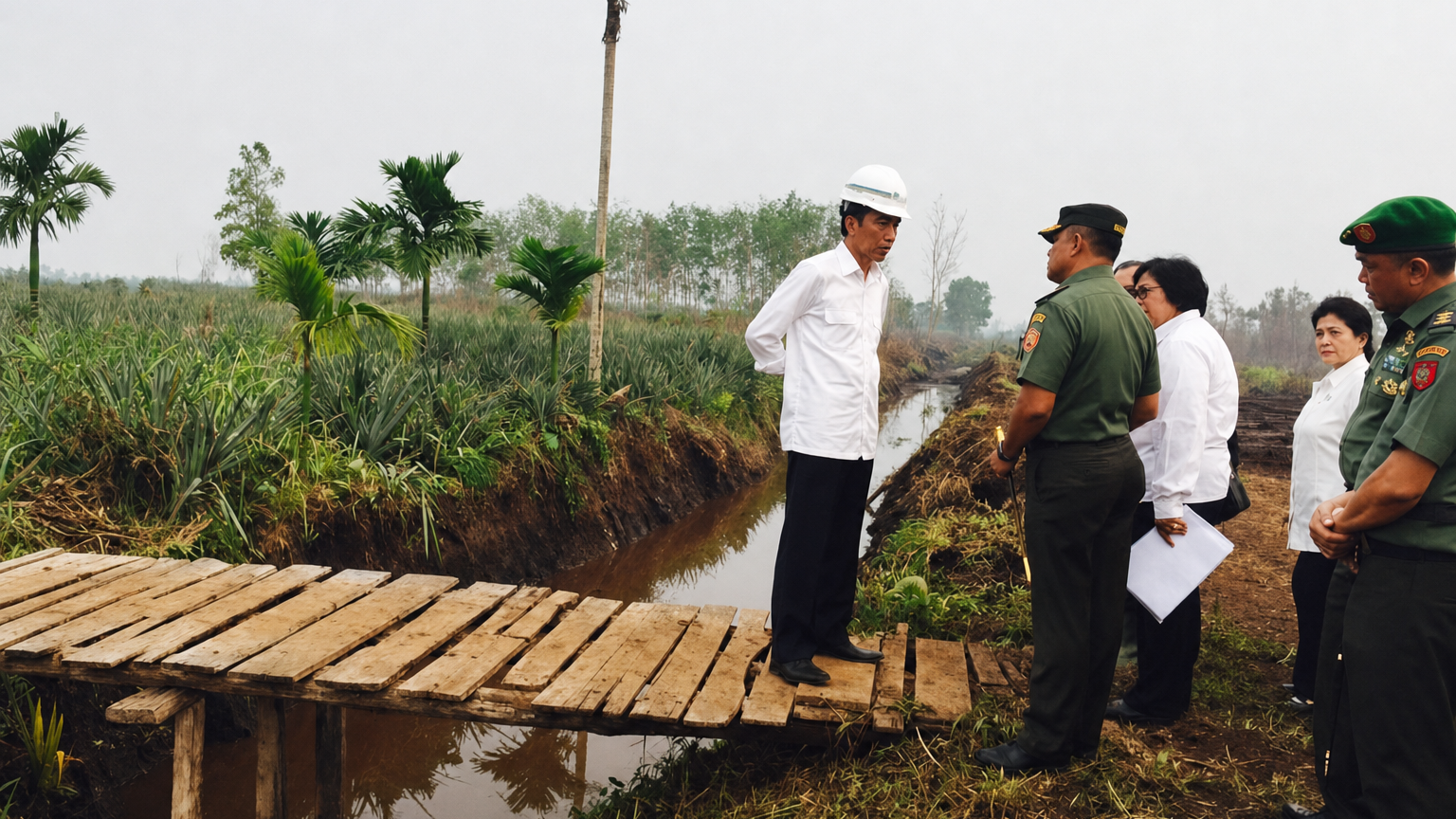
Nearly 900,000 hectares of land had burned across Indonesia by late August 2026 according to Nusantara Atlas monitoring data, triggering a surge in hazardous haze that closed schools in the Philippines and prompted emergency declarations in parts of Malaysia. Indonesia’s Health Ministry data showed more than 113,000 wildfire-related respiratory infections reported across seven provinces by early September, more than double the figure recorded a week earlier, while some 12.5 million people faced exposure to the polluted air. The scale already approached levels not seen since the devastating 2015 season when 2.6 million hectares burned, a Straits Times assessment found, even as the current El Nino event intensified dry conditions.
Peatland fires smolder at low temperatures beneath the surface and can persist for weeks or months, rendering conventional firefighting methods such as water bombing largely ineffective once the blaze moves underground. A NASA Earth Observatory analysis noted that surface water drops often fail to reach deeper peat layers, allowing embers to reignite after initial suppression and complicating detection from satellites due to thick smoke. Researchers at Indonesia’s National Research and Innovation Agency have determined that full extinguishment requires re-saturating the entire peat body by raising the water table rather than addressing surface flames alone.
Decades of drainage canals installed for oil palm and timber plantations have lowered water tables across millions of hectares, exposing peat to air and transforming it into highly combustible material according to a Bloomberg investigation. Burning remains far cheaper than mechanical clearing, with costs per hectare dropping by as much as 95 percent when fire is used instead of machinery, an Asia Times review of land-clearing economics reported. Government figures indicate that more than 160 individuals and 95 companies were under investigation for suspected involvement in the latest fires, yet enforcement has proven inconsistent across concession areas where many hotspots originate.
The Peatland Restoration Agency established after the 2015 crisis to map vulnerable areas and install monitoring stations saw its mandate expire in 2024, leaving a gap in coordinated prevention efforts a Straits Times examination concluded. Budget allocations for the National Disaster Mitigation Agency fell to one-tenth of the previous year’s level under the current administration, limiting ground crews and equipment despite deployment of aircraft for water bombing and cloud seeding. Indonesia’s Forestry Ministry recorded more than 202,000 hectares burned between January and July, a 69 percent increase from the same period in 2025, with the majority concentrated in Sumatra and Kalimantan provinces.
Transboundary haze from the fires reached hazardous levels in Singapore, Malaysia and the Philippines, where authorities shuttered schools across Metro Manila and multiple provinces in response to pollutant index readings exceeding 500 in some districts. A Diplomat assessment linked the pollution to both immediate health risks, including elevated strokes and heart attacks, and longer-term economic damages estimated at 123 trillion rupiah through August when health costs are included. The Association of Southeast Asian Nations has pursued regional agreements to curb such pollution, yet implementation challenges persist due to varying enforcement standards among member states.
Scientific studies published in journals including Scientific Reports have quantified how each fire cycle permanently degrades peat’s water retention capacity by around 15 percent, with repeated burns accelerating landscape vulnerability. Environmental researchers have called for systematic rewetting of drained peatlands and stricter moratoriums on new plantation permits in fire-prone zones to address root causes rather than seasonal suppression. Global Fire Emissions Database data placed carbon releases from this year’s fires above 100 megatons to date, the highest for the period in a decade.