ع
ع


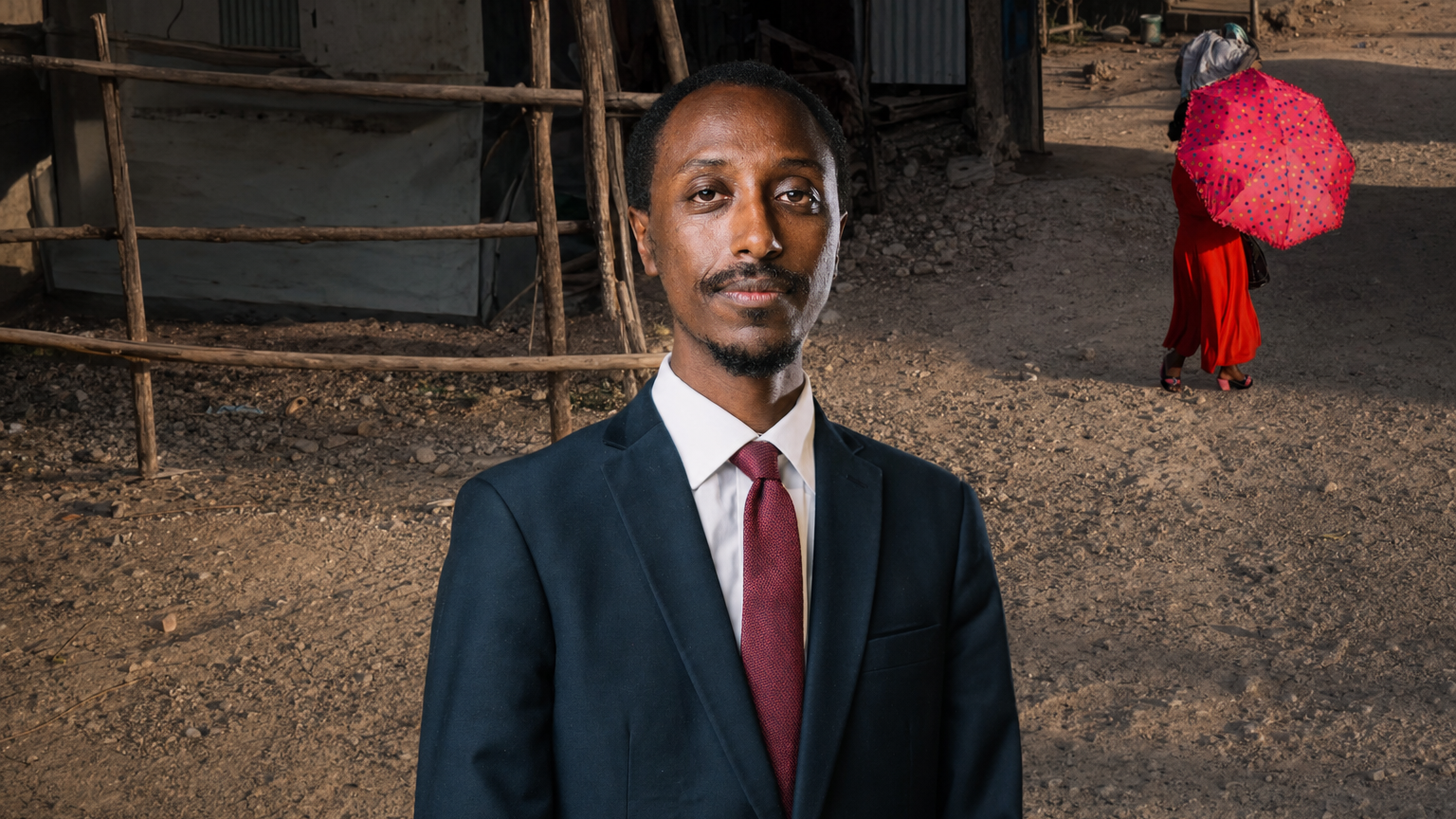
Ethiopia’s foreign minister has told the United Nations Security Council that Eritrean troops mounted an all-out invasion by advancing up to 60 kilometres into the Tigray region, according to a letter shared with Reuters on October 9. Gedion Timothewos described the deployment of mechanised units deep into Ethiopian territory as a matter of public record that left Addis Ababa with no option but to defend its sovereignty. The communication dated October 8 counts on the understanding support and solidarity of council members at a time when Ethiopia faces this difficulty. Eritrean soldiers were seen in northern Ethiopia this week witnesses told Reuters only days after the two neighbours severed diplomatic ties.
The US-based conflict monitor ACLED reported that Ethiopian drone strikes targeted Eritrean troops and ammunition in the Tigrayan town of Adigrat on Wednesday and Thursday. Residents told AFP news agency that multiple strikes occurred overnight with some Eritrean lorries destroyed and forces appearing to retreat north afterward. A foreign security source speaking to AFP on condition of anonymity estimated that between 5,000 and 8,000 Eritrean soldiers had been present in Tigray. Ethiopian forces took control of Tigray’s main city Mekelle from rebel groups last week according to separate reporting by the BBC.
Eritrea’s information minister Yemane Gebremeskel responded on X that his country faced an unprovoked war of aggression from Ethiopia and dismissed reports of an incursion as a fallacious narrative designed to justify Addis Ababa’s actions. The minister did not deny that troops had crossed the border but accused Ethiopia of seeking a pretext to invade. Ethiopian government communication minister Enatalem Melese had earlier demanded the immediate withdrawal of all foreign military forces from sovereign territory with specific reference to Eritrean units in Tigray.
The incident comes amid renewed fighting in northern Ethiopia that began on September 23 when a rebel alliance including the Tigray People’s Liberation Front launched attacks against federal troops across Tigray Amhara and Afar regions. Ethiopian army chief Field Marshal Berhanu Jula accused Eritrea of backing the alliance though Asmara has repeatedly denied the claim according to Al Jazeera reporting. Federal forces have since pushed back the rebels and resumed flights to Mekelle from October 11 Ethiopian Airlines announced. The clashes have effectively shattered the 2022 Pretoria peace agreement that ended the previous Tigray war.
That earlier conflict from 2020 to 2022 saw Eritrean troops fighting alongside Ethiopian federal forces against the Tigray People’s Liberation Front resulting in a civilian death toll estimated at 500,000 by Ghent University researchers as reported by the Associated Press. Relations between Addis Ababa and Asmara have deteriorated sharply since the peace deal largely because of Ethiopian Prime Minister Abiy Ahmed’s stated ambition to secure access to one of Eritrea’s Red Sea ports. Eritrea fears that landlocked Ethiopia may attempt to seize territory for a maritime outlet according to multiple analyses from Reuters and Bloomberg. The current escalation risks drawing the Horn of Africa into a wider regional confrontation involving neighbouring states already strained by Sudan’s civil war.
In a meeting with UN Deputy Secretary-General Amina Mohammed on October 8 Gedion Timothewos called for the immediate withdrawal of Eritrean forces and reaffirmed Ethiopia’s right to defend its territorial integrity under international law the foreign affairs ministry said on X. The letter to the Security Council framed the Eritrean deployment as taking belligerence to a new level while stressing that Ethiopia counts on international solidarity. Conflict monitor ACLED noted that Eritrean forces had crossed at the border town of Zalambesa before advancing and then withdrawing under the drone campaign. Witnesses in Adigrat reported seeing trucks with Eritrean registration plates carrying soldiers south toward Edaga Hamus earlier in the week.